


Adaptation Level: Key to Restful Sleep
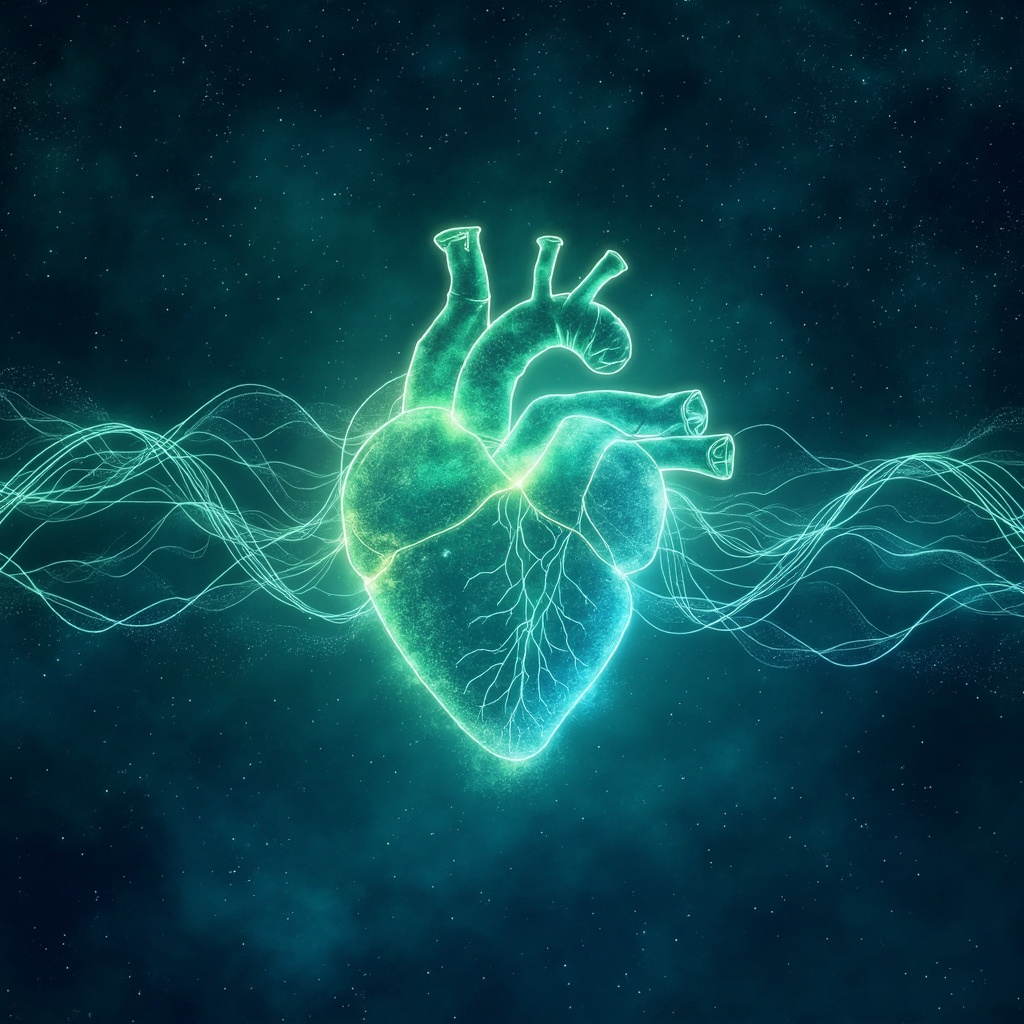
Your heart does more than just pump blood. It constantly adjusts its rhythm to match what your body needs, whether you're facing a busy day or winding down for sleep. This flexibility is captured in a key measure called the adaptation level, often noted as AMo in heart rhythm analysis. It comes from studying the electrical signals of your heart, revealing how well the autonomic nervous system-the part controlling automatic functions like heartbeat and breathing-responds to change.
Think of it like a smart thermostat. A good adaptation level keeps your body's 'temperature' steady through ups and downs, easing you into rest at night. When it's off, stress lingers, making deep sleep harder to reach. Learn more in the glossary.
How Adaptation Level Ties to Sleep
Sleep isn't just closing your eyes. It's a full-body recovery process driven by your heart's shift from 'fight or flight' to 'rest and digest'. The adaptation level tracks this switch through heart rate variability (HRV), the natural beat-to-beat changes that signal balance.
A strong adaptation level means:
- Smooth drop in heart rate as you relax.
- Better HRV at night, linked to fewer wake-ups.
- Steady cortisol levels, avoiding those middle-of-the-night spikes.
Research shows people with healthy HRV and adaptation sleep deeper and wake refreshed. Low adaptation? It traps you in shallow rest, leaving fatigue behind.
Signs Your Adaptation Level Needs Attention
You might not notice at first, but poor adaptation shows up in sleep patterns:
- Tossing and turning, hard to stay asleep.
- Waking tired despite enough hours.
- Daytime stress that carries into bed.
- Irregular breathing or snoring hints.
These link to circadian rhythm glitches, where your body clock struggles to align with natural rest cycles. Hormones like cortisol stay high, blocking melatonin and energy restoration.
The Role in Circadian Balance
Your internal clock relies on heart adaptation to time recovery right. Morning light boosts alertness via sympathetic nerves; evening dimness activates parasympathetic calm. Good adaptation level supports this flow, restoring vitality overnight.
When adaptation shines as a resource, it spreads calm to organs, meridians, and energy points. Emotional ups and downs even out, breathing deepens, and sleep becomes restorative.
Practical Ways to Support Adaptation
Boosting this doesn't need fancy gear. Start with basics tied to sleep coaching:
Breathing Patterns
Deep belly breaths for 5 minutes before bed activate parasympathetic tone, raising HRV and adaptation.
Evening Routines
- Cut screens an hour early to lower blue light stress.
- Light dinner, melatonin-friendly foods like cherries or nuts.
- Cool, dark room mimicking nature's cues.
Daytime Habits
- Morning walks for circadian reset.
- Short stress breaks with 4-7-8 breathing (inhale 4, hold 7, exhale 8).
- Consistent sleep times, even weekends.
Track progress with wearables showing HRV trends. Over weeks, adaptation improves, sleep quality climbs.
Adaptation as Your Sleep Ally
In sessions targeting sleep, a solid adaptation level acts like a guide. It helps direct focus to heart-centered calm, easing into inner journeys of rest. Whether priority or strength, nurturing it unlocks deeper recovery.
Vitality returns, stress fades, and nights transform. Your heart's adaptation isn't just a number-it's the rhythm of renewal. Prioritize it for sleep that aligns body, mind, and energy.
- 1. link.springer.com
- 2. sciencedirect.com
- 3. researchgate.net
- 4. repository.ubn.ru.nl
- 5. pmc.ncbi.nlm.nih.gov
- 6. journals.sagepub.com
- 7. biocoherence.eu
- 8. researchgate.net
- 9. pmc.ncbi.nlm.nih.gov
- 10. researchgate.net
- 11. journals.physiology.org
- 12. midus.wisc.edu
- 13. pdfs.semanticscholar.org
- 14. mdpi.com
- 15. pmc.ncbi.nlm.nih.gov
- 16. midus.wisc.edu
- 17. sleepdoctor.com
- 18. sportsmith.co
- 19. pmc.ncbi.nlm.nih.gov
- 20. insightcla.com
- 21. frontiersin.org
- 22. mdpi.com
- 23. pubmed.ncbi.nlm.nih.gov
- 24. pmc.ncbi.nlm.nih.gov
- 25. clinicsearchonline.org
- 26. frontiersin.org
- 27. pubmed.ncbi.nlm.nih.gov
- 28. sciencedirect.com
- 29. instagram.com
- 30. hsclibrary.ku.edu.kw
- 31. biocoherence.net
- 32. frontiersin.org
- 33. nature.com
- 34. pmc.ncbi.nlm.nih.gov
- 35. sciencedirect.com
- 36. pmc.ncbi.nlm.nih.gov
- 37. pmc.ncbi.nlm.nih.gov
- 38. doc.gold.ac.uk
Related posts
Glossary
- Energy and mind Structures > Focused Coherence; Focus
- Energy and mind Structures > Clock
- Energy and mind Structures > Relax
- Energy and mind Structures > Meridians
- Body zones > hormones
- Body zones > parasympathetic
- Body zones > eyes
- Energy and mind Structures > Organs
- TCM Recipes > Heart Health: Remedies for Anxiety and Palpitations
- TCM Recipes > Boost Your Energy: A TCM Recipe for Fatigue Relief
- Energy and mind Structures > sleep
- Energy and mind Structures > vitality
- Energy and mind Structures > Stress
- Stimuli > Cortisol
- Stimuli > Moon - Nasal Passage, Breathing, Taste
- Stimuli > Blood
- Stimuli > Melatonin