


Sinoatrial Node: Pacemaker for Deep Sleep
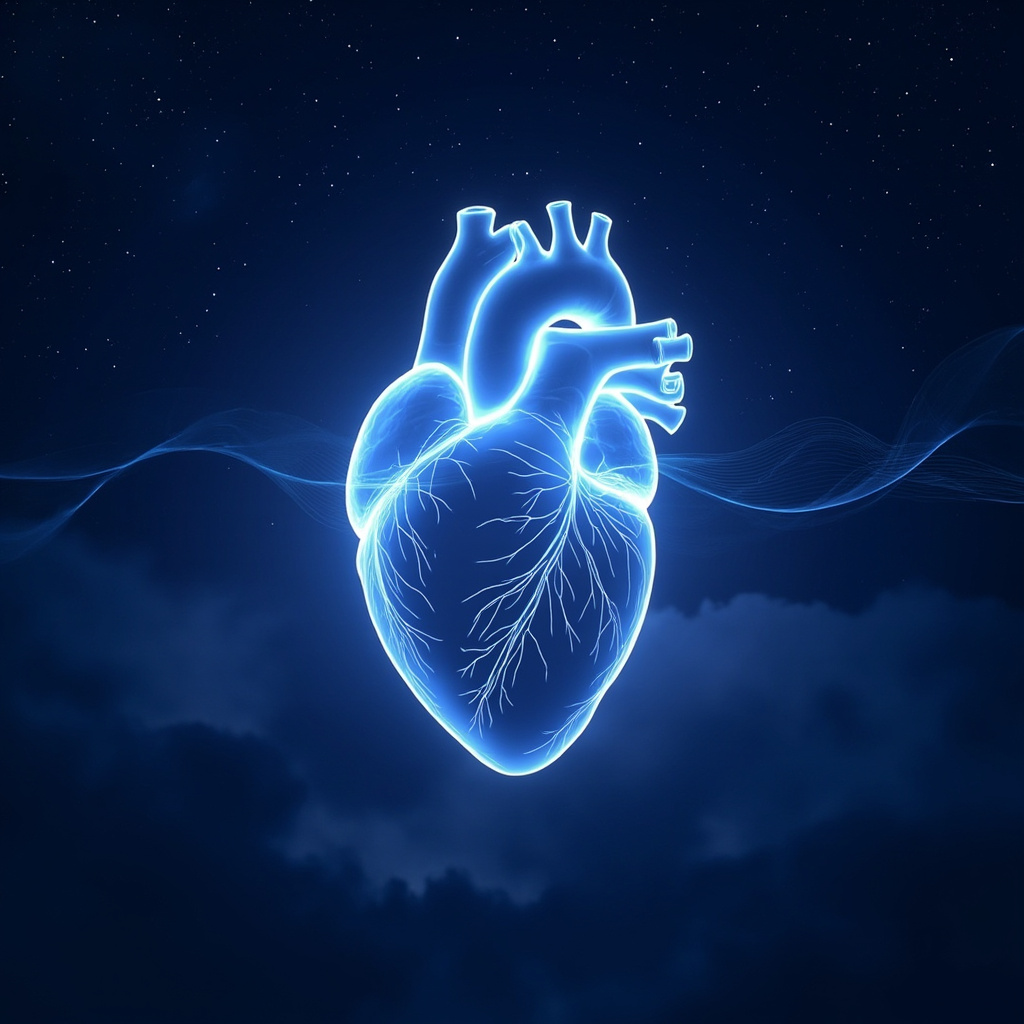
The sinoatrial node, or SA node, is a tiny cluster of cells in the upper right chamber of your heart. It works like a natural pacemaker, sending out electrical signals that start every heartbeat. This steady rhythm keeps blood flowing smoothly through your body, supporting everything from daily energy to nighttime recovery.
Heart Rhythm and Your Sleep Cycle
Your heart rate naturally dips at night, creating the calm conditions needed for deep sleep. The SA node plays a key part here through its built-in circadian clock. This internal timer aligns your heartbeats with day-night patterns, slowing things down when it's time to rest. A smooth transition helps you fall asleep faster and stay in restorative stages longer.
Studies show this node directly influences heart rate variability (HRV), the subtle changes in time between beats. Good HRV during sleep signals strong recovery, better stress handling, and overall vitality. Low or erratic HRV at night can point to fatigue, poor energy restoration, or even future health risks like mood dips or cognitive fog. For instance, new research from 2025 links nighttime HRV patterns to early warnings for conditions like depression or stroke, even in those without obvious sleep issues.
Emotional Links to the SA Node
Beyond the physical, the SA node connects to feelings of control and self-governance. When it functions well, you feel grounded and in charge of your day. Imbalances might stir up anxiety, fear of losing grip, or stress from challenges to your authority. These emotions can rev up your heart rate, making relaxation harder and sleep lighter.
Think of times when worry keeps you tossing: a racing pulse often mirrors inner turmoil. Supporting the SA node helps quiet these, fostering emotional stability that paves the way for calm, deep rest.
Signs of Imbalance and Daily Impact
If the SA node falters, you might notice:
- Dizziness or lightheadedness
- Unusual fatigue, even after rest
- Palpitations or skipped beats
- Trouble winding down at bedtime
These can stem from stress hormones like cortisol, aging, or lifestyle factors. In sleep terms, it disrupts the shift to parasympathetic dominance-the rest-and-digest mode essential for recovery. Breathing irregularities or low HRV often tag along, worsening insomnia or shallow sleep.
The SA Node as a Recovery Ally
A healthy SA node shines as a resource. It ensures consistent blood flow, delivering oxygen and nutrients to tissues. This fuels energy restoration overnight, balances hormones like melatonin, and bolsters resilience against daily stress. It supports the brain, muscles, and nerves, helping you wake refreshed.
In practice, tuning into this node enhances circadian balance. Steady rhythms mean better HRV, deeper sleep phases, and vibrant mornings.
Simple Ways to Support Your SA Node
Build habits that nurture this pacemaker:
- Deep breathing: Slow inhales and exhales activate vagal nerves, easing the node's workload.
- Consistent bedtime: Align with natural light-dark cycles to sync its clock.
- Stress reduction: Evening walks or gentle stretches lower cortisol spikes.
- HRV tracking: Use apps to monitor nighttime patterns and adjust routines.
As a sleep coach, I focus on these links between heart rhythm, stress biomarkers, and rest. Prioritizing the SA node unlocks profound recovery. For more on its assessment, check the BioCoherence glossary.
Stable heartbeats tonight lead to empowered tomorrows.
- 1. cedars-sinai.org
- 2. mdpi.com
- 3. pmc.ncbi.nlm.nih.gov
- 4. aafp.org
- 5. my.clevelandclinic.org
- 6. pubmed.ncbi.nlm.nih.gov
- 7. ahajournals.org
- 8. cvphysiology.com
- 9. frontiersin.org
- 10. en.wikipedia.org
- 11. thecardiologyadvisor.com
- 12. sciencedirect.com
- 13. sciencedirect.com
- 14. eurekalert.org
- 15. uptodate.com
- 16. pmc.ncbi.nlm.nih.gov
- 17. hopkinsmedicine.org
- 18. pmc.ncbi.nlm.nih.gov
- 19. pubmed.ncbi.nlm.nih.gov
- 20. mydoctor.kaiserpermanente.org
- 21. medicalupdateonline.com
- 22. ncbi.nlm.nih.gov
- 23. journals.lww.com
- 24. sciencedirect.com
- 25. onlinelibrary.wiley.com
- 26. ncbi.nlm.nih.gov
- 27. medicalnewstoday.com
- 28. biorxiv.org
- 29. neuronewsinternational.com
- 30. cmegeriatricmed.co.uk
- 31. ahajournals.org
- 32. academic.oup.com
- 33. youtube.com
- 34. heartrhythmdoc.com
Related posts
Glossary
- Energy and mind Structures > oxygen
- Energy and mind Structures > Focused Coherence; Focus
- Energy and mind Structures > Clock
- Body zones > sinoatrial node
- Body zones > hormones
- Body zones > muscles
- Body zones > nerves
- Body zones > parasympathetic
- Body zones > tissues
- TCM Recipes > Heart Health: Remedies for Anxiety and Palpitations
- TCM Recipes > Brain Boost: Clear Fog, Improve Focus & Memory
- TCM Recipes > Herbal Relief: A TCM Approach to Lift Your Mood
- TCM Recipes > Boost Your Energy: A TCM Recipe for Fatigue Relief
- Energy and mind Structures > sleep
- Energy and mind Structures > vitality
- Energy and mind Structures > Stress
- Stimuli > Cortisol
- Stimuli > Moon - Nasal Passage, Breathing, Taste
- Stimuli > Stroke
- Stimuli > Lead
- Stimuli > Blood
- Stimuli > Melatonin