


Mitral Valve: Key to Heart Flow and Restful Sleep
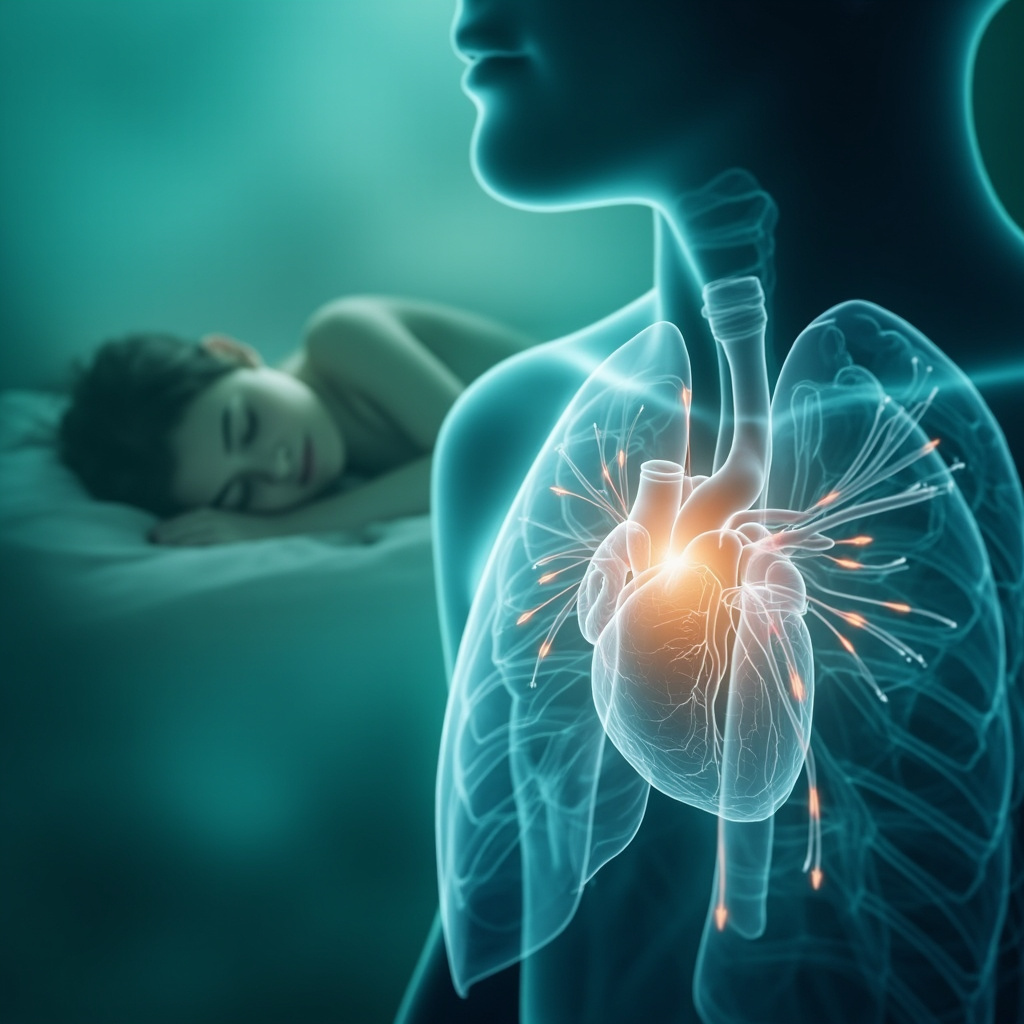
Your heart beats steadily through the night, supporting the deep recovery that restorative sleep provides. At its core sits the mitral valve, a small but crucial structure between the upper and lower left chambers of the heart. This valve acts like a one-way gate, allowing oxygen-rich blood to flow forward while preventing it from leaking back. When it works well, it keeps your circulation efficient, delivering nutrients and oxygen to every cell, including those that recharge during sleep.
What Happens When the Mitral Valve Struggles?
If the mitral valve does not close properly-a condition often called mitral valve prolapse or regurgitation-blood can slip backward. This forces the heart to work harder, leading to common signs like:
- Fatigue: A deep tiredness that lingers, making it hard to feel refreshed after sleep.
- Shortness of breath: Especially when lying down, which can interrupt nighttime rest.
- Heart palpitations: Fluttering or racing beats that jolt you awake.
These symptoms often worsen with age. Research shows that people with mitral valve issues experience a faster drop in heart rate variability (HRV)-a measure of your nervous system's balance-as they get older compared to others. Low HRV signals poor autonomic function, linking directly to restless sleep, higher stress, and slower energy recovery.
The Sleep Connection
Sleep relies on smooth heart rhythms and stable HRV to shift into deep, restorative stages. The mitral valve plays a hidden role here. When blood flow is inefficient, your body senses ongoing strain, spiking stress hormones like cortisol at night instead of letting melatonin guide you to calm. This creates a cycle: poor valve function leads to fragmented sleep, which further stresses the heart.
Studies note that up to 10% of those with mitral valve prolapse report insomnia. Autonomic imbalances from the valve can amplify sympathetic activity (fight-or-flight mode), blocking the parasympathetic relaxation needed for circadian alignment. Night after night, this erodes vitality, leaving you drained despite hours in bed.
Emotional Layers of the Mitral Valve
Beyond the physical, the mitral valve ties to feelings of self-worth and love. Imbalances may mirror inner struggles-feeling unloved, rejected, or not good enough. These emotions can tighten the chest, subtly affecting heart function over time. Healing starts with self-compassion: affirming your value invites emotional flow, much like blood through a healthy valve.
Patients with severe valve issues often carry anxiety or low mood, which lift after treatment. Addressing these feelings supports not just the heart, but your overall rest.
Harnessing the Mitral Valve as a Resource
A balanced mitral valve becomes a powerful ally. It ensures steady blood delivery, nourishing tired muscles, the brain, and energy centers for true recovery. In moments of priority-like when stress or fatigue dominate-it directs attention to efficient flow, fostering calm and renewal.
Think of it supporting other areas: better oxygen to lungs for even breathing, to adrenals for hormone balance, and to nerves for steady HRV. This creates harmony, where sleep rebuilds rather than repairs.
Steps to Support Your Mitral Valve and Sleep
As a sleep coach, I focus on simple, daily practices:
- Monitor your rest: Notice palpitations or morning fatigue as signals.
- Breathe deeply: Slow diaphragmatic breaths activate parasympathetic calm, easing valve strain.
- Align your rhythm: Dim lights early, eat melatonin-rich foods like cherries, reduce evening caffeine.
- Build self-worth: Gentle affirmations before bed-"I am worthy of rest and love"-can shift emotional blocks.
- Track HRV: Use apps or wearables to spot patterns linking heart flow to sleep depth.
When valve health falters, consult a doctor for checks like echocardiograms. Early awareness prevents escalation, reclaiming nights of profound peace.
The mitral valve reminds us: heart health is the foundation of deep sleep. Tune into its rhythm for balanced days and restorative nights.
- 1. link.springer.com
- 2. mayoclinic.org
- 3. healthmanagement.org
- 4. heartvalvehealth.co.uk
- 5. pmc.ncbi.nlm.nih.gov
- 6. sciencedirect.com
- 7. pubmed.ncbi.nlm.nih.gov
- 8. templehealth.org
- 9. hopkinsmedicine.org
- 10. phoenixheart.com
- 11. massgeneralbrigham.org
- 12. mdpi.com
- 13. karger.com
- 14. my.clevelandclinic.org
- 15. mayoclinic.org
- 16. pmc.ncbi.nlm.nih.gov
- 17. researchgate.net
- 18. sciencedaily.com
- 19. pubmed.ncbi.nlm.nih.gov
- 20. facebook.com
- 21. int.livhospital.com
- 22. sciencedirect.com
- 23. ahn.org
- 24. heart.org
- 25. heart.org
- 26. heart-valve-surgery.com
- 27. dicardiology.com
- 28. hinalight.co.uk
- 29. my.clevelandclinic.org
- 30. researchgate.net
- 31. academic.oup.com
- 32. pennmedicine.org
- 33. pmc.ncbi.nlm.nih.gov
- 34. pmc.ncbi.nlm.nih.gov
- 35. bhf.org.uk
- 36. sts.org
- 37. onlinelibrary.wiley.com
- 38. frontiersin.org
- 39. pmc.ncbi.nlm.nih.gov
- 40. amjmed.com
- 41. link.springer.com
- 42. pmc.ncbi.nlm.nih.gov
- 43. ahajournals.org
Related posts
Glossary
- Energy and mind Structures > oxygen
- Energy and mind Structures > Focused Coherence; Focus
- Energy and mind Structures > Structure
- Energy and mind Structures > Peace
- Body zones > mitral valve
- Body zones > lungs
- Body zones > muscles
- Body zones > nerves
- Body zones > parasympathetic
- Body zones > senses
- Body zones > chest
- TCM Recipes > Circulation: Boost Energy and Warm Your Extremities
- TCM Recipes > Heart Health: Remedies for Anxiety and Palpitations
- TCM Recipes > Brain Boost: Clear Fog, Improve Focus & Memory
- TCM Recipes > Boost Your Energy: A TCM Recipe for Fatigue Relief
- Energy and mind Structures > sleep
- Energy and mind Structures > vitality
- Energy and mind Structures > Stress
- Stimuli > Cortisol
- Stimuli > Moon - Nasal Passage, Breathing, Taste
- Binaural beats > Foundation of Security: Enhance Serenity and Well-Being
- Stimuli > Mitral Valve Prolapse
- Stimuli > Harmony
- Stimuli > Blood
see also...
- Energy and mind Structures > HRV
- Energy and mind Structures > Body zones > substantia nigra
- Energy and mind Structures > TCM Recipes > Tension Headache Relief: A Natural Approach to Ease Stress
- Testimonials > 61% Drop in Nausea and 58% in Headaches from Sound Therapy
- Binaural beats > Stimuli > Variolinum
- Binaural beats > Foundation of Security: Enhance Serenity and Well-Being