


Heart: Rhythm of Sleep and Recovery
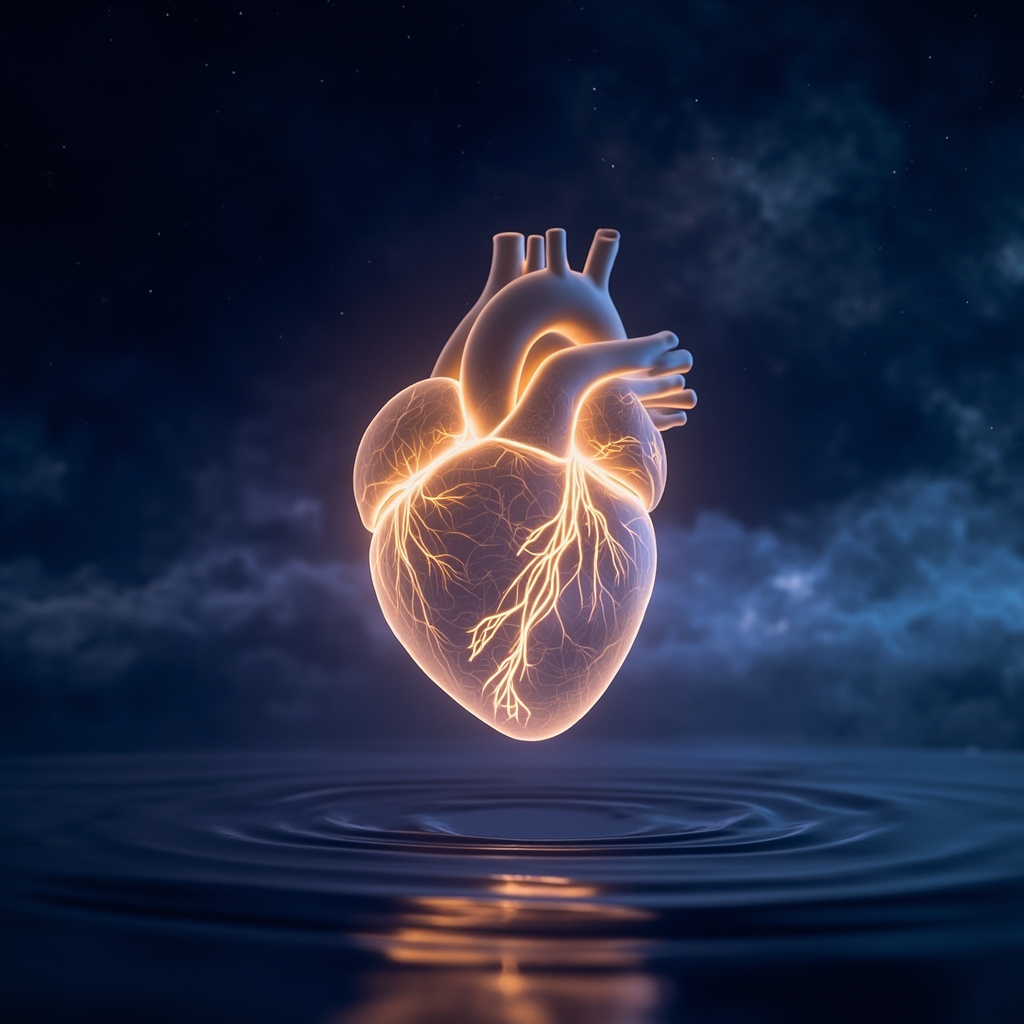
The heart rests in the chest, tilted slightly to the left of center. It works nonstop, pushing oxygen-filled blood to every part of the body. It also pulls oxygen-poor blood back to the lungs to refresh it. This steady flow keeps energy high and cells alive.
A healthy heart beats with a natural rhythm, adapting to needs like exercise or rest. But when it falters, you might feel tired, short of breath, or chest discomfort. In worst cases, it leads to serious issues like irregular beats or heart failure.
Heart's Link to Restorative Sleep
Sleep gives the heart a break to recover. During deep rest, the heart slows and varies its beats in a healthy pattern. This variation, called heart rate variability (HRV), shows how well your body switches to rest mode. High, steady HRV means good recovery. Low or erratic patterns signal trouble.
New research from the University Hospital of Bern tracked over 4,000 people for years. They found sleep HRV predicts health risks early, even if sleep looks normal. High, wild HRV linked to later strokes. Low HRV tied to depression. Other patterns flagged heart disease, metabolism issues, and hormone imbalances. Lead researcher Irina Filchenko notes, 'Nocturnal HRV provides a unique window into how the body functions during sleep.' This proves sleep is active repair time for the heart and brain.
Emotional Side of the Heart
The heart feels emotions deeply. Joy and love strengthen it. But sadness, heartbreak, or feeling unloved can strain it. Emotional stress raises tension, disrupting blood flow and HRV. This cycle worsens sleep: stress keeps the heart racing at night, blocking deep recovery.
Unresolved hurts build up, linking to fatigue and poor mood. Healing emotions eases the heart's load, improving rest and vitality. Feelings of appreciation and connection support steady rhythms.
Heart as a Key Resource
When strong, the heart aids the whole body. It delivers fresh oxygen, balancing energy everywhere. It helps organs work smoothly and lifts emotional well-being. In rest, it fosters calm, cutting stress hormones like cortisol that spike at wrong times.
A balanced heart aligns with your circadian rhythm-day activity, night repair. It boosts breathing patterns for oxygen flow, key to HRV and sleep depth.
Signs to Watch in Heart Health
- Fatigue after rest: Heart not recharging fully.
- Racing thoughts at night: Emotional blocks raising beats.
- Short breath: Oxygen delivery issues.
- Mood dips: Low HRV from stress.
Steps for Heart-Sleep Harmony
Build routines for heart support:
- Practice slow breathing: In for 4, out for 6, to raise HRV.
- Limit evening stress: Dim lights early for cortisol drop.
- Move daily: Walks steady the rhythm without overload.
- Nurture joy: Connect with loved ones to heal emotionally.
Tools like electrical activity recordings reveal the heart's state-its energy, movement, and links. Check the heart glossary for more.
Strong heart rhythms lead to deep sleep, clear mind, and long health. Listen to yours nightly for recovery clues.
- 1. journals.physiology.org
- 2. pmc.ncbi.nlm.nih.gov
- 3. medicalxpress.com
- 4. nature.com
- 5. nature.com
- 6. nature.com
- 7. journals.physiology.org
- 8. news-medical.net
- 9. uchicagomedicine.org
- 10. nature.com
- 11. thensf.org
- 12. ahajournals.org
- 13. nature.com
- 14. ahajournals.org
- 15. nature.com
- 16. nature.com
- 17. endeavorhealth.org
- 18. superpower.com
- 19. s4me.info
- 20. pure.psu.edu
- 21. news.stanford.edu
- 22. sciencedirect.com
- 23. connect.uclahealth.org
- 24. eurekalert.org
- 25. nature.com
- 26. dhwblog.dukehealth.org
- 27. academic.oup.com
- 28. pmc.ncbi.nlm.nih.gov
- 29. sciencedirect.com
- 30. nature.com
- 31. nature.com
- 32. pmc.ncbi.nlm.nih.gov
- 33. mdpi.com
- 34. physiology.org
- 35. cdc.gov
- 36. pubmed.ncbi.nlm.nih.gov
- 37. nature.com
- 38. medcan.com
- 39. mdpi.com
- 40. pubmed.ncbi.nlm.nih.gov
Related posts
Glossary
- Energy and mind Structures > oxygen
- Energy and mind Structures > Sadness
- Energy and mind Structures > Love
- Body zones > heart
- Body zones > hormones
- Body zones > lungs
- Body zones > chest
- Energy and mind Structures > Organs
- TCM Recipes > Heart Health: Remedies for Anxiety and Palpitations
- TCM Recipes > Brain Boost: Clear Fog, Improve Focus & Memory
- TCM Recipes > Herbal Relief: A TCM Approach to Lift Your Mood
- TCM Recipes > Boost Your Energy: A TCM Recipe for Fatigue Relief
- Energy and mind Structures > sleep
- Energy and mind Structures > vitality
- Energy and mind Structures > movement
- Energy and mind Structures > Stress
- Stimuli > Cortisol
- Stimuli > Moon - Nasal Passage, Breathing, Taste
- Stimuli > AIDS
- Stimuli > Heart Disease
- Stimuli > Lead
- Stimuli > Blood
- Stimuli > GAPDH, Metabolism
see also...
- Energy and mind Structures > HRV
- Energy and mind Structures > Body zones > substantia nigra
- Energy and mind Structures > TCM Recipes > Tension Headache Relief: A Natural Approach to Ease Stress
- Testimonials > 61% Drop in Nausea and 58% in Headaches from Sound Therapy
- Binaural beats > Stimuli > Chakra Throat