


Thyroid Gland: Key to Sleep and Energy Balance
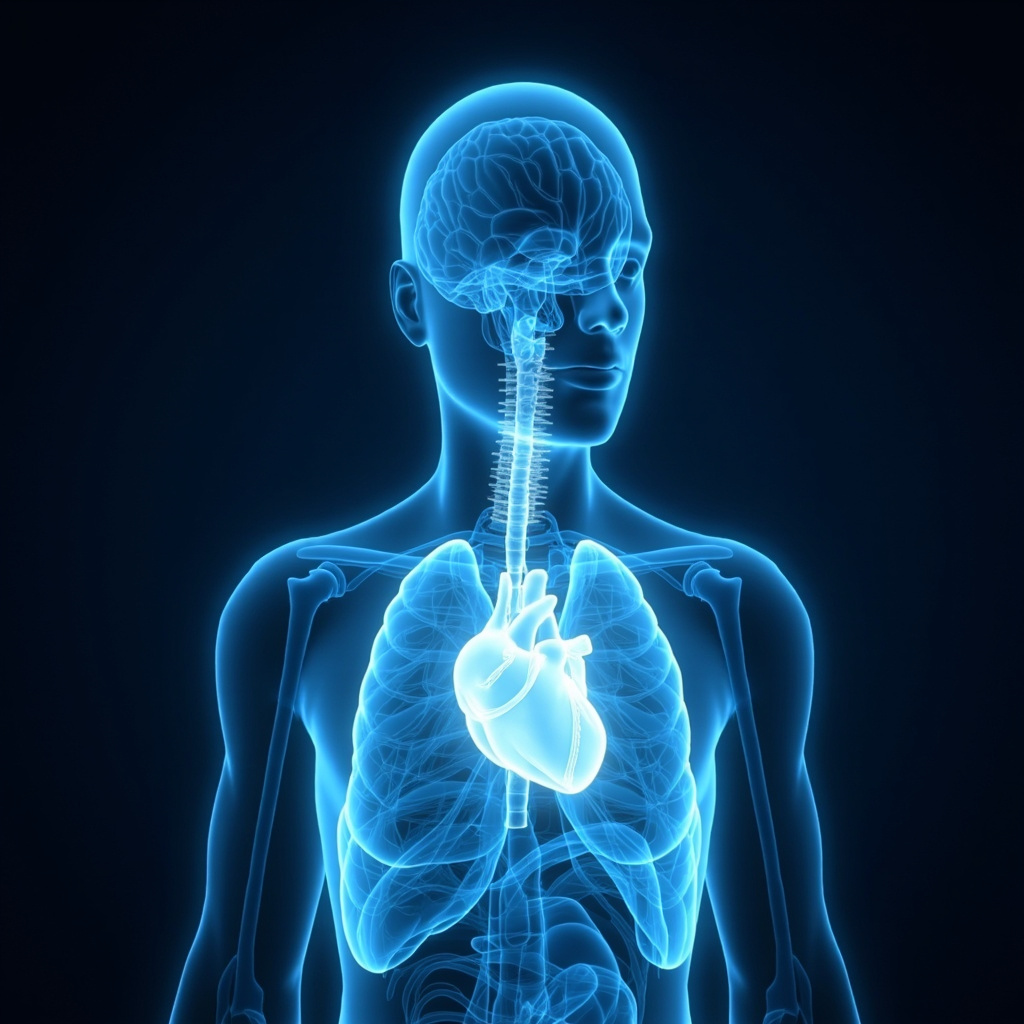
Thyroid Gland: Neck's Metabolic Command Center
Nestled in the front of your neck, just below the Adam's apple, sits the thyroid gland. This small butterfly-shaped organ produces hormones that control how your body uses energy. It influences everything from your heart rate and body temperature to digestion and muscle function. When balanced, it keeps your metabolism steady, fueling daily activities without overwhelming or draining you.
For deeper insight, explore the thyroid in our resources.
How Thyroid Influences Sleep Quality
Sleep and the thyroid are closely linked. These hormones help set your circadian rhythm, the internal clock that signals when to rest and wake. An underactive thyroid, known as hypothyroidism, slows metabolism. This often brings constant fatigue, making it hard to fall asleep or stay asleep through the night. You might wake feeling unrefreshed, with low energy lingering all day.
On the flip side, an overactive thyroid or hyperthyroidism speeds things up too much. It can cause restlessness, rapid heartbeat, and anxiety, leading to insomnia. Racing thoughts at bedtime or frequent awakenings become common, fragmenting your deep recovery phases.
Heart rate variability (HRV), a key marker of sleep health, also ties in. Thyroid imbalances stress the nervous system, lowering HRV and making relaxation harder. Poor sleep then feeds back, worsening hormone production in a cycle that's tough to break.
Common Signs of Thyroid-Sleep Mismatch
- Fatigue despite long hours in bed
- Difficulty falling asleep or staying asleep
- Night sweats or feeling too hot/cold
- Morning grogginess affecting focus and mood
Emotional Side of Thyroid Health
Beyond physical effects, the thyroid connects to how you handle life's pace. Feeling overwhelmed by the need to rush or slow down? Struggling with self-expression or communication? These emotions often mirror in the gland. Pressure to adapt quickly-or feeling stuck and unable to move forward-can show up as physical symptoms.
Stress hormones like cortisol, central to my coaching, interact here. High cortisol from emotional strain disrupts thyroid function, amplifying sleep issues. Conversely, a calm mind supports better hormone balance for restorative rest.
Thyroid as a Resource for Deep Recovery
When healthy, the thyroid acts as a team player. It regulates energy flow to other organs, aiding hormonal balance and resilience against stress. This promotes steady vitality, helping your body repair during sleep.
It facilitates communication between systems-like brain signals for melatonin release or steady breathing for oxygen flow. Balanced thyroid energy supports energy restoration, ensuring mornings bring clarity rather than drag.
In recovery, it counters fatigue by optimizing metabolism. This aligns with breathing patterns for parasympathetic calm, boosting HRV and deepening sleep stages.
Recent Research on Thyroid and Sleep
New studies highlight a bidirectional link between thyroid function and sleep disorders. For instance, genetic analysis shows sleep problems can alter thyroid hormones, and vice versa. Sleep restriction even shifts biomarkers like free thyroxine, risking metabolic slowdown.
Night shift workers face higher risks, as irregular sleep disrupts thyroid regulation. Healthy sleep habits cut thyroid condition odds by up to 23%, especially with mood factors in play.
These findings underscore monitoring thyroid health for better circadian balance. Simple steps like consistent bedtimes and stress reduction help both.
Practical Steps for Balance
- Maintain regular sleep-wake times to support circadian cues.
- Practice deep breathing to ease stress biomarkers and HRV.
- Limit evening stimulants that spike cortisol.
- Focus on nutrient-rich foods aiding hormone production.
By nurturing your thyroid, you unlock deeper sleep and sustained energy. This foundation enhances overall recovery, aligning body and mind for peak performance.
- 1. int.livhospital.com
- 2. palomahealth.com
- 3. nature.com
- 4. pmc.ncbi.nlm.nih.gov
- 5. youtube.com
- 6. youtube.com
- 7. insighttimer.com
- 8. pmc.ncbi.nlm.nih.gov
- 9. open.spotify.com
- 10. medicalnewstoday.com
- 11. youtube.com
- 12. instagram.com
- 13. link.springer.com
- 14. youtube.com
- 15. tandfonline.com
- 16. pmc.ncbi.nlm.nih.gov
- 17. ukbiobank.ac.uk
- 18. researchgate.net
- 19. sciencedirect.com
- 20. pmc.ncbi.nlm.nih.gov
- 21. insighttimer.com
- 22. open.spotify.com
- 23. thyroid.org
- 24. youtube.com
- 25. sciencedirect.com
- 26. journals.plos.org
- 27. endocrine-abstracts.org
- 28. journals.lww.com
- 29. sleepfoundation.org
Related posts
Glossary
- Energy and mind Structures > oxygen
- Energy and mind Structures > Focused Coherence; Focus
- Energy and mind Structures > Regulation
- Energy and mind Structures > Communication
- Energy and mind Structures > Performance
- Energy and mind Structures > Clock
- Body zones > thyroid
- Body zones > hormones
- Body zones > parasympathetic
- Body zones > face
- Energy and mind Structures > Organs
- TCM Recipes > Thyroid Support: Natural Remedies for Fatigue & Weight
- TCM Recipes > Heart Health: Remedies for Anxiety and Palpitations
- TCM Recipes > Brain Boost: Clear Fog, Improve Focus & Memory
- TCM Recipes > Stress Relief: A Simple Guide to Reducing Tension
- TCM Recipes > Boost Your Energy: A TCM Recipe for Fatigue Relief
- Energy and mind Structures > sleep
- Energy and mind Structures > vitality
- Energy and mind Structures > Digestion
- Energy and mind Structures > Stress
- Stimuli > DMD, Muscle Function
- Stimuli > Cortisol
- Stimuli > Moon - Nasal Passage, Breathing, Taste
- Binaural beats > Nervous System: A Program for Emotional Balance and Relaxation
- Stimuli > Melatonin
- Stimuli > GAPDH, Metabolism
see also...
- Energy and mind Structures > HRV
- Energy and mind Structures > Body zones > thoracic
- Energy and mind Structures > TCM Recipes > Tension Headache Relief: A Natural Approach to Ease Stress
- Binaural beats > Stimuli > Chakra Throat
- Binaural beats > Transmutation: A Sound Journey for Personal Change
- Testimonials > 61% Drop in Nausea and 58% in Headaches from Sound Therapy