


Pineal Gland: Brain's Sleep Rhythm Master
Location and Basic Function
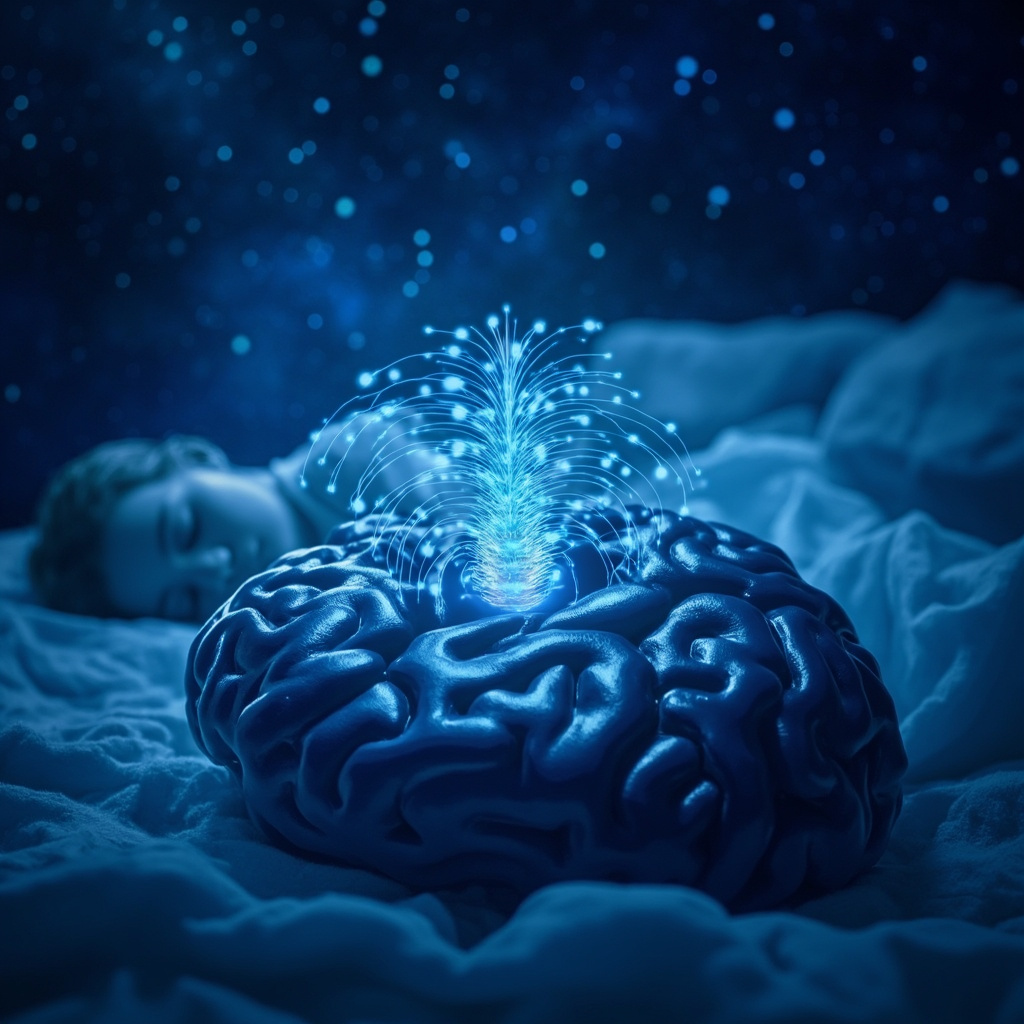
Nestled deep in the center of your brain, between the two hemispheres, sits the pineal gland. This tiny, pea-sized organ acts as your body's natural timekeeper. For more details, see the pineal gland overview.
Its main job is to release melatonin, a hormone that signals when it's time to wind down and sleep. In darkness, the pineal ramps up melatonin production, helping align your circadian rhythm-your internal 24-hour clock-with the day's light and dark cycles.
Mastering Sleep and Recovery
A healthy pineal ensures deep, restorative sleep. It helps you fall asleep easily, stay asleep, and wake refreshed. When it works well, you experience steady energy levels and better heart rate variability (HRV), a sign of strong recovery.
Problems arise if the pineal struggles. Low melatonin can cause insomnia, daytime fatigue, or disrupted rhythms from shift work or jet lag. This often ties to high nighttime cortisol-your stress hormone-which keeps you alert when you should rest.
In sleep assessments, the pineal's biomarker reveals its energy levels, agitation, and connections to other body systems. High agitation might show as restless nights or shallow breathing patterns, while low energy signals poor adaptation to daily changes.
Emotional Ties to Inner Harmony
Beyond hormones, the pineal connects to your sense of direction and flow in life. Imbalances may reflect feelings of disorientation, fear of the unknown, or trouble syncing with natural cycles. You might feel lost in time, anxious about change, or cut off from inner peace.
These emotional blocks can worsen sleep. Stress from existential worries spikes cortisol, blocking melatonin. Over time, this creates a cycle of exhaustion and mood dips.
Pineal as a Key Resource
When strong, the pineal supports the whole body. It regulates sleep to balance hormones, steady emotions, and boost adaptability. It aids the heart by improving HRV during rest, calms nerves through even rhythms, and energizes recovery.
Picture it guiding other organs: steady melatonin flow helps adrenals lower stress, lungs deepen breaths, and brain clear fog. This harmony fosters emotional stability and a grounded sense of order.
New Research Lights the Way
Exciting advances are here. Yale researchers created lab-grown pineal organoids from stem cells-mini versions that produce real melatonin. These mimic the gland's response to nerve signals and even work in mice, releasing melatonin into their blood.
The study modeled disorders like Angelman syndrome, where pineal cells shift to other functions, cutting melatonin. This explains sleep woes in autism, depression, bipolar, and aging. Organoids could test fixes, replicate circadian cycles, and one day aid transplants for severe cases.
Lead researcher In-Hyun Park notes: "With pineal gland organoids, we may uncover causes of sleep disturbances and identify treatments."
Practical Steps to Nurture Your Pineal
Support it daily:
- Dim lights early: Avoid blue screens 2 hours before bed to boost melatonin.
- Consistent schedule: Same sleep times align your rhythm.
- Breathing for calm: Deep belly breaths lower cortisol, easing pineal agitation.
- Dark sleep space: Blackout curtains maximize hormone flow.
- Mindful unwind: Short meditation focuses on inner peace, reducing fear-based stress.
Track patterns like HRV or energy dips. Breathing irregularities? Check respiratory biomarkers alongside pineal health.
Strong pineal means deeper sleep, balanced mood, and renewed vitality. Prioritize it for true recovery.
- 1. patient.info
- 2. drstevenlin.com
- 3. insighttimer.com
- 4. open.spotify.com
- 5. facebook.com
- 6. livenowfox.com
- 7. instagram.com
- 8. sciencedaily.com
- 9. healthline.com
- 10. medicine.yale.edu
- 11. onlinelibrary.wiley.com
- 12. ashpublications.org
- 13. my.clevelandclinic.org
- 14. epocrates.com
- 15. pubmed.ncbi.nlm.nih.gov
- 16. pmc.ncbi.nlm.nih.gov
- 17. news-medical.net
- 18. researchgate.net
- 19. pnas.org
- 20. mentalzon.com
- 21. crnusa.org
- 22. insighttimer.com
- 23. pmc.ncbi.nlm.nih.gov
- 24. drstanfield.com
- 25. youtube.com
- 26. reddit.com
- 27. medium.com
- 28. mdpi.com
- 29. pmc.ncbi.nlm.nih.gov
- 30. medicalnewstoday.com
- 31. acc.org
- 32. washingtonpost.com
- 33. facebook.com
- 34. instagram.com
- 35. aging-us.com
- 36. pmc.ncbi.nlm.nih.gov
- 37. youtube.com
- 38. pubmed.ncbi.nlm.nih.gov
- 39. sciencedirect.com
- 40. iovs.arvojournals.org
- 41. courtneysnydermd.com
- 42. americanmentalwellness.org
- 43. medicalxpress.com
- 44. youtube.com
- 45. youtube.com
- 46. sciencedirect.com
- 47. psychiatryonline.org
- 48. sciencedirect.com
- 49. youtube.com
- 50. drstanfield.com
Related posts
Glossary
- Energy and mind Structures > Peace
- Energy and mind Structures > Exhaustion
- Body zones > pineal
- Body zones > hormones
- Body zones > lungs
- Body zones > nerves
- Body zones > respiratory
- Energy and mind Structures > Organs
- TCM Recipes > Heart Health: Remedies for Anxiety and Palpitations
- TCM Recipes > Brain Boost: Clear Fog, Improve Focus & Memory
- TCM Recipes > Herbal Relief: A TCM Approach to Lift Your Mood
- TCM Recipes > Boost Your Energy: A TCM Recipe for Fatigue Relief
- Energy and mind Structures > sleep
- Energy and mind Structures > vitality
- Energy and mind Structures > Theta; 4.31-6.97 Hz. Light sleep, meditation.
- Energy and mind Structures > Stress
- Stimuli > Cortisol
- Stimuli > Moon - Nasal Passage, Breathing, Taste
- Stimuli > AIDS
- Binaural beats > Pineal Gland Harmony: Enhancing Sleep and Well-being
- Stimuli > Harmony
- Stimuli > Blood
- Stimuli > Melatonin
see also...
- Energy and mind Structures > HRV
- Energy and mind Structures > Body zones > amino acids
- Energy and mind Structures > TCM Recipes > Tension Headache Relief: A Natural Approach to Ease Stress
- Testimonials > 61% Drop in Nausea and 58% in Headaches from Sound Therapy
- Binaural beats > Stimuli > Melatonin
- Binaural beats > Emotional Spectrum: Healing Emotions and Health Issues