


Calmness: Foundation of Balance and Health
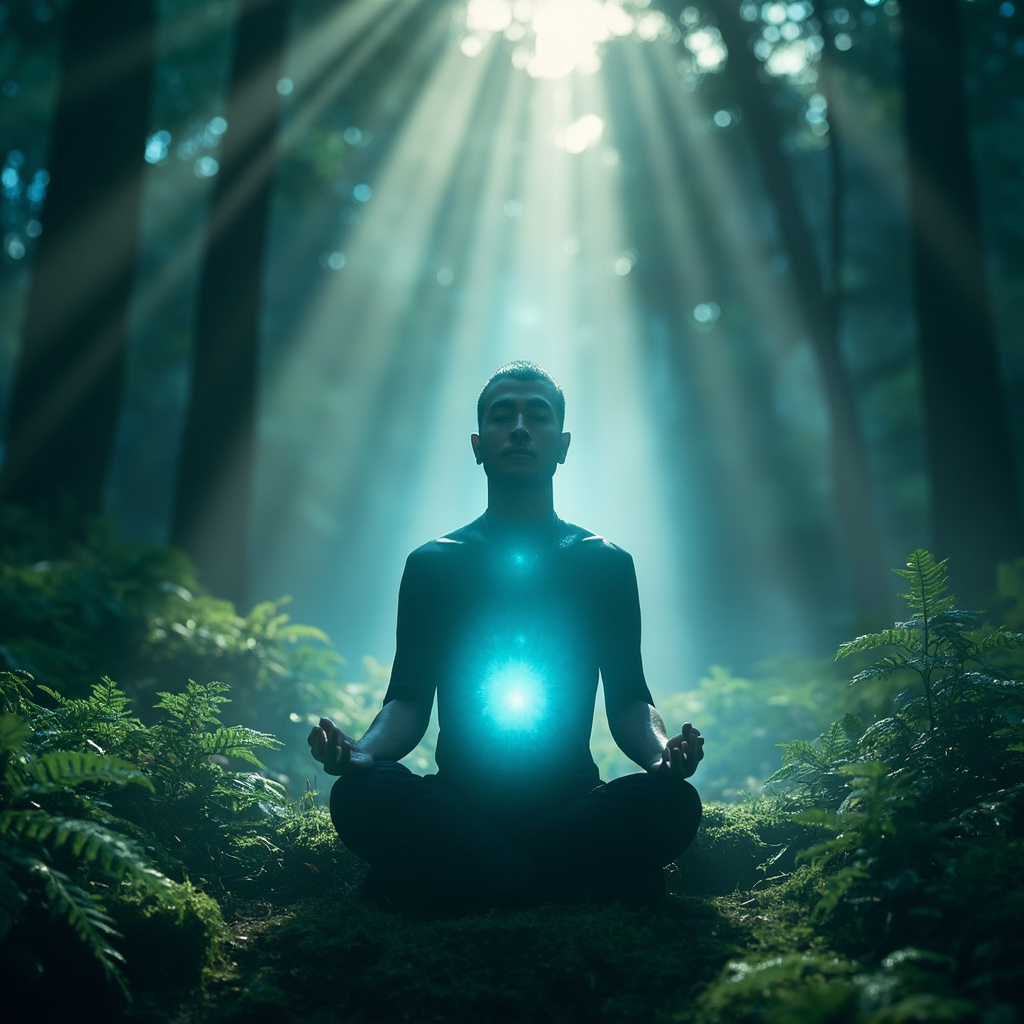
Understanding Calmness
Calmness is a gentle state where your mind and body feel at peace, free from worry, rush, or tension. It is that quiet inner space where thoughts settle, breathing slows, and you feel steady and composed. This feeling often comes after deep breaths or moments of stillness, bringing a sense of balance to your whole being.
In health assessments, calmness appears as a key marker, detected through simple recordings of your body's electrical activity. It shows how well your energy flows without agitation. When strong, it acts as a helpful resource; when low, it becomes a focus for gentle work. Check the Calmness glossary for more details.
Why Calmness Matters for Your Health
A calm state does more than feel good-it supports your body in real ways:
- Reduces stress tensions: It eases tightness in muscles and organs caused by daily pressures.
- Balances emotions: Helps moods stay even, preventing ups and downs.
- Improves energy flow: Supports smooth movement of vital energy through your body pathways.
- Enhances focus therapies: Makes practices like breathwork or point stimulation more effective by keeping your mind clear.
People with steady calmness often report better sleep, fewer headaches, and quicker recovery from fatigue. It builds resilience, so small stresses do not overwhelm you.
How Meditation Cultivates Calmness
Meditation is one of the best ways to grow calmness. By sitting quietly and focusing on your breath, you train your nervous system to shift into rest mode. This activates the calming side of your nerves, often measured by heart rate variability (HRV)-a sign of flexible, healthy heart rhythms.
Start with simple practices:
- Breath awareness: Notice each inhale and exhale, letting thoughts drift like clouds.
- Body scan: Slowly check each part of your body, releasing held tension.
- Guided stillness: Follow a voice leading you to a peaceful inner place.
Over time, these build emotional regulation, turning reactive feelings into steady responses. Your stress levels drop, and clarity grows.
Fresh Research on Meditation and Calm
New studies confirm meditation's power. A 2026 research in Scientific Reports tested a 10-day app-based mindfulness program on healthy adults. Participants saw better sleep quality-more total sleep, deeper rest, and faster fall-asleep times. During sessions, their heart rates dropped, and HRV rose, signaling stronger parasympathetic activity for relaxation.
These changes lasted weeks, showing short daily practice creates lasting calm effects. HRV improvements mean better stress handling, linking directly to that serene mindset. Other work shows post-stress meditation adjusts heart rhythms faster, tying skill in acceptance to calmer responses.
Practical Steps to Build Your Calmness
Make calmness part of your day:
- Daily short sessions: 5-10 minutes of mindful breathing morning and night.
- Track your progress: Note how you feel before and after-less agitation is a win.
- Combine with movement: Gentle walks in nature amplify the effect.
- Use biomarkers wisely: If tracking tools show low calmness, prioritize rest practices.
For stress or low HRV, focus on breathing to boost parasympathetic tone. Consistency matters-small steps lead to big shifts in emotional balance and mental sharpness.
Embrace Calmness as Your Ally
Calmness is not just absence of storm; it is your inner strength for health and growth. Through meditation, you access it fully, enhancing body harmony and mind peace. Start today, and feel the difference in your daily life.
- 1. biorxiv.org
- 2. pubmed.ncbi.nlm.nih.gov
- 3. nature.com
- 4. goamra.org
- 5. instagram.com
- 6. sciencedirect.com
- 7. psychologytoday.com
- 8. link.springer.com
- 9. medrxiv.org
- 10. pmc.ncbi.nlm.nih.gov
- 11. jmir.org
- 12. journals.sagepub.com
- 13. sciencedaily.com
- 14. mdpi.com
- 15. news.harvard.edu
- 16. sciencedirect.com
- 17. frontiersin.org
- 18. reddit.com
- 19. nature.com
- 20. pmc.ncbi.nlm.nih.gov
- 21. pmc.ncbi.nlm.nih.gov
- 22. youtube.com
- 23. pubmed.ncbi.nlm.nih.gov
- 24. youtube.com
- 25. heartfulness.org
- 26. mountsinai.org
- 27. medrxiv.org
- 28. researchgate.net
- 29. biorxiv.org
Related posts
Glossary
- Energy and mind Structures > Focused Coherence; Focus
- Energy and mind Structures > Mental
- Energy and mind Structures > Peace
- Energy and mind Structures > Calmness
- Body zones > muscles
- Body zones > nerves
- Body zones > parasympathetic
- Energy and mind Structures > Organs
- TCM Recipes > Emotional Balance: A TCM Guide to Calm Anxiety & Insomnia
- TCM Recipes > Heart Health: Remedies for Anxiety and Palpitations
- TCM Recipes > Boost Your Energy: A TCM Recipe for Fatigue Relief
- Energy and mind Structures > sleep
- Energy and mind Structures > movement
- Energy and mind Structures > Theta; 4.31-6.97 Hz. Light sleep, meditation.
- Energy and mind Structures > Stress
- Stimuli > IGF1, Growth
- Stimuli > Rose
- Stimuli > Moon - Nasal Passage, Breathing, Taste
- Binaural beats > Nervous System: A Program for Emotional Balance and Relaxation
- Stimuli > Lead
- Stimuli > Harmony
see also...
- Energy and mind Structures > HRV
- Energy and mind Structures > Body zones > plasma
- Energy and mind Structures > TCM Recipes > Tension Headache Relief: A Natural Approach to Ease Stress
- Testimonials > 61% Drop in Nausea and 58% in Headaches from Sound Therapy
- Binaural beats > Stimuli > Sacral, Zinc Etc
- Binaural beats > Transmutation: A Sound Journey for Personal Change