


Sympathetic Nerves: Meditation for Balance
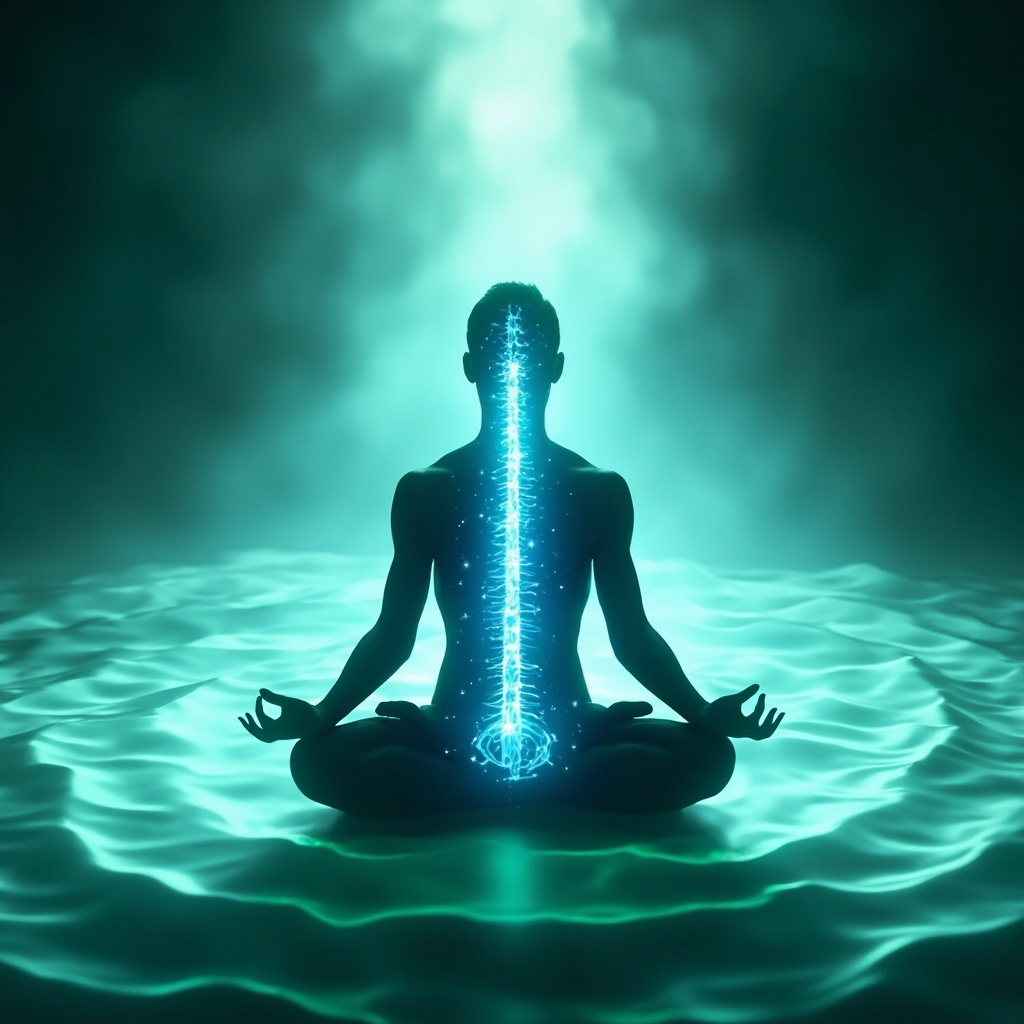
The sympathetic nervous system ([/body/303-sympathetic]) runs along your spine in the chest and lower back areas. It is part of your automatic nervous system that works without you thinking about it. This system springs into action during stress, getting your body ready to fight danger or run away.
How the Sympathetic System Works
When triggered, it does several key things:
- Speeds up your heart rate to pump more blood.
- Opens your airways for quicker breaths.
- Releases stored energy from muscles and liver.
These changes help you respond fast to threats, like dodging a car or facing a challenge. In short bursts, this is healthy and protective.
When Balance Goes Off
Problems arise if the system stays too active. Constant alerts from work pressure, worries, or past traumas keep it revved up. This leads to:
Physically, you might notice a racing heart or shallow breathing. Over time, it wears down your energy and health.
Emotional Ties to Sympathetic Activity
This system links closely to feelings like fear and anxiety. A scary event can lock it in high gear, making you feel watchful or jumpy even in safety. Prolonged stress from life changes or emotional hurts keeps the body in survival mode. This drains joy and focus, creating a cycle of tension.
Sympathetic as a Helpful Ally
When balanced, it supports your body well:
- Boosts blood flow to active muscles.
- Raises heart rate for better oxygen during needs.
- Mobilizes energy for quick action.
It teams up with other parts to keep everything steady, aiding recovery after stress.
Meditation to Restore Harmony
As a meditation coach, I guide people to calm this system using breath, mindfulness, and inner focus. Simple practices shift you toward rest and recovery.
Breathing for Quick Calm
Start with slow, deep breaths:
- Sit comfortably, feet flat, hands on lap.
- Inhale through nose for 4 counts, feeling belly rise.
- Hold for 4, then exhale through mouth for 6.
- Repeat 5-10 minutes.
This signals safety, slowing heart rate and easing alerts.
Mindfulness Scan
- Close eyes, notice body sensations without judgment.
- Scan from head to toes, softening tight spots.
- If worry thoughts come, gently return to breath.
Daily 10 minutes builds resilience.
Guided Inner Focus
Picture a warm light along your spine, soothing nerves. Affirm: "My body feels safe and at ease."
These build heart rate variability (HRV), a sign of flexible stress response. Higher HRV means better bounce-back from tension.
Signs of Progress
- Deeper sleep.
- Steady energy.
- Less reactivity to small stressors.
- Clearer emotions.
Track how you feel after sessions. Over weeks, calm deepens.
Recent research backs this: Heartfulness meditation cuts stress hormone cortisol while lifting calm chemicals like oxytocin. It promotes parasympathetic rest, balancing sympathetic drive.
- 1. sciencedirect.com
- 2. truelightchiropractic.com
- 3. foundationforpn.org
- 4. vanderbilt.edu
- 5. pmc.ncbi.nlm.nih.gov
- 6. pubmed.ncbi.nlm.nih.gov
- 7. pubmed.ncbi.nlm.nih.gov
- 8. news.fiu.edu
- 9. mindfullivinggroup.org
- 10. science.org
- 11. music.apple.com
- 12. youtube.com
- 13. instagram.com
- 14. sciencedaily.com
- 15. pmc.ncbi.nlm.nih.gov
- 16. sparc.science
- 17. earth.com
- 18. sciencedaily.com
- 19. youtube.com
- 20. news.harvard.edu
- 21. hopkinslyme.org
- 22. eurekalert.org
- 23. nature.com
- 24. youtube.com
- 25. healthcare-bulletin.co.uk
- 26. youtube.com
- 27. nature.com
- 28. pubmed.ncbi.nlm.nih.gov
- 29. medicalxpress.com
- 30. sanctuarywellnessspa.com
- 31. pubmed.ncbi.nlm.nih.gov
- 32. podcasts.apple.com
- 33. nature.com
- 34. medicalxpress.com
- 35. open.spotify.com
- 36. nature.com
- 37. meditation.mgh.harvard.edu
- 38. pubmed.ncbi.nlm.nih.gov
- 39. psychiatry.ucsf.edu
- 40. pubmed.ncbi.nlm.nih.gov
- 41. euronews.com
- 42. artofliving.org
- 43. nature.com
- 44. nature.com
Related posts
Glossary
- Energy and mind Structures > oxygen
- Energy and mind Structures > Focused Coherence; Focus
- Energy and mind Structures > Peace
- Energy and mind Structures > Drive
- Body zones > head
- Body zones > mouth
- Body zones > muscles
- Body zones > nerves
- Body zones > sympathetic
- Body zones > nose
- Body zones > parasympathetic
- Body zones > chest
- Body zones > eyes
- TCM Recipes > Stress Relief for High Blood Pressure: A TCM Approach
- TCM Recipes > Liver Health: A TCM Recipe for Balance and Calm
- TCM Recipes > Heart Health: Remedies for Anxiety and Palpitations
- Energy and mind Structures > sleep
- Energy and mind Structures > blood pressure
- Energy and mind Structures > Digestion
- Energy and mind Structures > Theta; 4.31-6.97 Hz. Light sleep, meditation.
- Energy and mind Structures > Stress
- Stimuli > Cortisol
- Stimuli > Moon - Nasal Passage, Breathing, Taste
- Binaural beats > Nervous System: A Program for Emotional Balance and Relaxation
- Stimuli > Blood
- Stimuli > Oxytocin
see also...
- Energy and mind Structures > HRV
- Energy and mind Structures > Body zones > eyes
- Energy and mind Structures > TCM Recipes > Tension Headache Relief: A Natural Approach to Ease Stress
- Testimonials > 61% Drop in Nausea and 58% in Headaches from Sound Therapy
- Binaural beats > Stimuli > Oxytocin
- Binaural beats > Transmutation: A Sound Journey for Personal Change