


Adrenaline: Balance Fight-or-Flight with Meditation
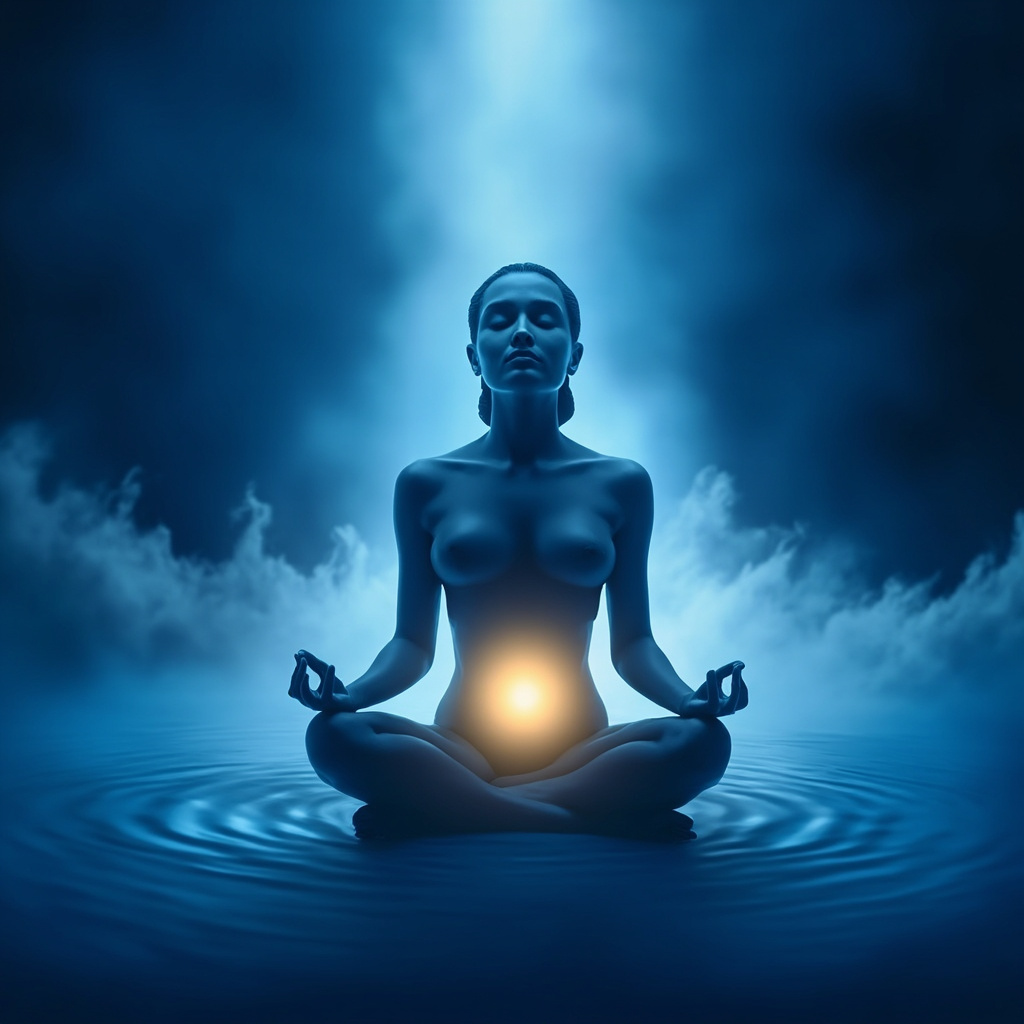
Adrenaline, often called epinephrine, is your body's quick-response hormone. Produced by the adrenal glands on top of the kidneys, it kicks in during stress to prepare you for action. This fight-or-flight reaction boosts heart rate, widens airways for deeper breaths, and sends extra blood to muscles. In short bursts, it helps you face challenges head-on.
For more on this key hormone, see the adrenaline glossary.
The Healthy Role of Adrenaline
When working right, adrenaline is a vital resource. It provides instant energy, sharpens focus, and supports quick decisions. Imagine facing a deadline or sudden obstacle-adrenaline mobilizes your body efficiently, then fades as calm returns. It teams up with other systems to keep you resilient.
Signs of Adrenaline Imbalance
Problems arise when adrenaline stays too high or too low.
Excess adrenaline from ongoing stress leads to:
- Racing heart and high blood pressure
- Constant anxiety or restlessness
- Trouble sleeping and muscle tension
Low adrenaline might cause:
Emotionally, adrenaline ties to fear and perceived threats. Unresolved worries or chronic tension overproduce it, wearing down your adrenal glands and sparking adrenal fatigue. This cycle disrupts mood, energy, and health.
Emotional Ties to Adrenaline
Fearful thoughts trigger adrenaline surges, creating a loop of stress. Past traumas or daily pressures amplify this. Calming the mind breaks the pattern, allowing natural balance. Addressing these feelings fosters deeper emotional regulation.
Adrenaline as a Positive Force
Balanced adrenaline enhances life. It fuels workouts, sharpens alertness, and aids recovery from exertion. As a resource, it improves blood flow and breathing, supporting organs in tough times. Harness it through awareness, not overwhelm.
How Meditation Regulates Adrenaline
Meditation excels at taming adrenaline. It activates the parasympathetic nervous system-your rest-and-restore mode-countering fight-or-flight. Slow breaths signal safety, lowering hormone output.
Research backs this. One study on the Integrated Amrita Meditation Technique found participants' adrenaline levels dropped significantly after sessions, with benefits lasting months. Even short practices reduce stress markers, easing anxiety.
I track HRV (heart rate variability), a key stress biomarker. High HRV shows strong parasympathetic activity, resisting adrenaline spikes. Meditation boosts HRV, building resilience.
Breathing and Mindfulness for Balance
Try these simple practices:
-
4-7-8 Breathing: Inhale for 4 counts, hold 7, exhale 8. Repeat 4 times. This slows heart rate, cuts adrenaline.
-
Body Scan: Lie down, notice tension from head to toes. Breathe into tight spots. Releases stored stress.
-
Loving-Kindness: Silently wish well to yourself and others. Shifts focus from fear to connection, softening emotional triggers.
Start with 5-10 minutes daily. Over time, agitation biomarkers improve, clarity grows.
Long-Term Benefits
Consistent meditation rewires responses. You handle stress without overload, sleep better, and feel energized. Emotional balance follows-less fear, more poise.
As a meditation coach, I guide using stress and HRV insights. These show progress, refining your path to calm.
Embrace adrenaline's power wisely. Through meditation, turn alarm into ally for vibrant health.
- 1. researchgate.net
- 2. pmc.ncbi.nlm.nih.gov
- 3. mayoclinic.org
- 4. health.harvard.edu
- 5. tandfonline.com
- 6. pmc.ncbi.nlm.nih.gov
- 7. typeonetypefun.com
- 8. pmc.ncbi.nlm.nih.gov
- 9. mayoclinic.org
- 10. zrtlab.com
- 11. gwdocs.com
- 12. today.advancement.georgetown.edu
- 13. apa.org
- 14. sciencedirect.com
- 15. facebook.com
- 16. advetresearch.com
- 17. pmc.ncbi.nlm.nih.gov
- 18. pmc.ncbi.nlm.nih.gov
- 19. globalwellnessinstitute.org
- 20. healthline.com
- 21. ucdavis.edu
- 22. researchgate.net
- 23. sciencedirect.com
- 24. draxe.com
- 25. pubmed.ncbi.nlm.nih.gov
- 26. nepjol.info
- 27. pmc.ncbi.nlm.nih.gov
- 28. nature.com
- 29. pmc.ncbi.nlm.nih.gov
- 30. pmc.ncbi.nlm.nih.gov
- 31. pmc.ncbi.nlm.nih.gov
- 32. patch.com
- 33. clinicaltrials.gov
- 34. pmc.ncbi.nlm.nih.gov
Related posts
Glossary
- Energy and mind Structures > Focused Coherence; Focus
- Body zones > head
- Body zones > adrenaline
- Body zones > kidneys
- Body zones > muscles
- Body zones > parasympathetic
- Body zones > face
- Energy and mind Structures > Organs
- TCM Recipes > Emotional Balance: A TCM Guide to Calm Anxiety & Insomnia
- TCM Recipes > Heart Health: Remedies for Anxiety and Palpitations
- TCM Recipes > Boost Your Energy: A TCM Recipe for Fatigue Relief
- Energy and mind Structures > sleep
- Energy and mind Structures > blood pressure
- Energy and mind Structures > Theta; 4.31-6.97 Hz. Light sleep, meditation.
- Energy and mind Structures > Stress
- Stimuli > Moon - Nasal Passage, Breathing, Taste
- Stimuli > AIDS
- Stimuli > Blood