


Adrenal Glands: Stress Guardians via Meditation
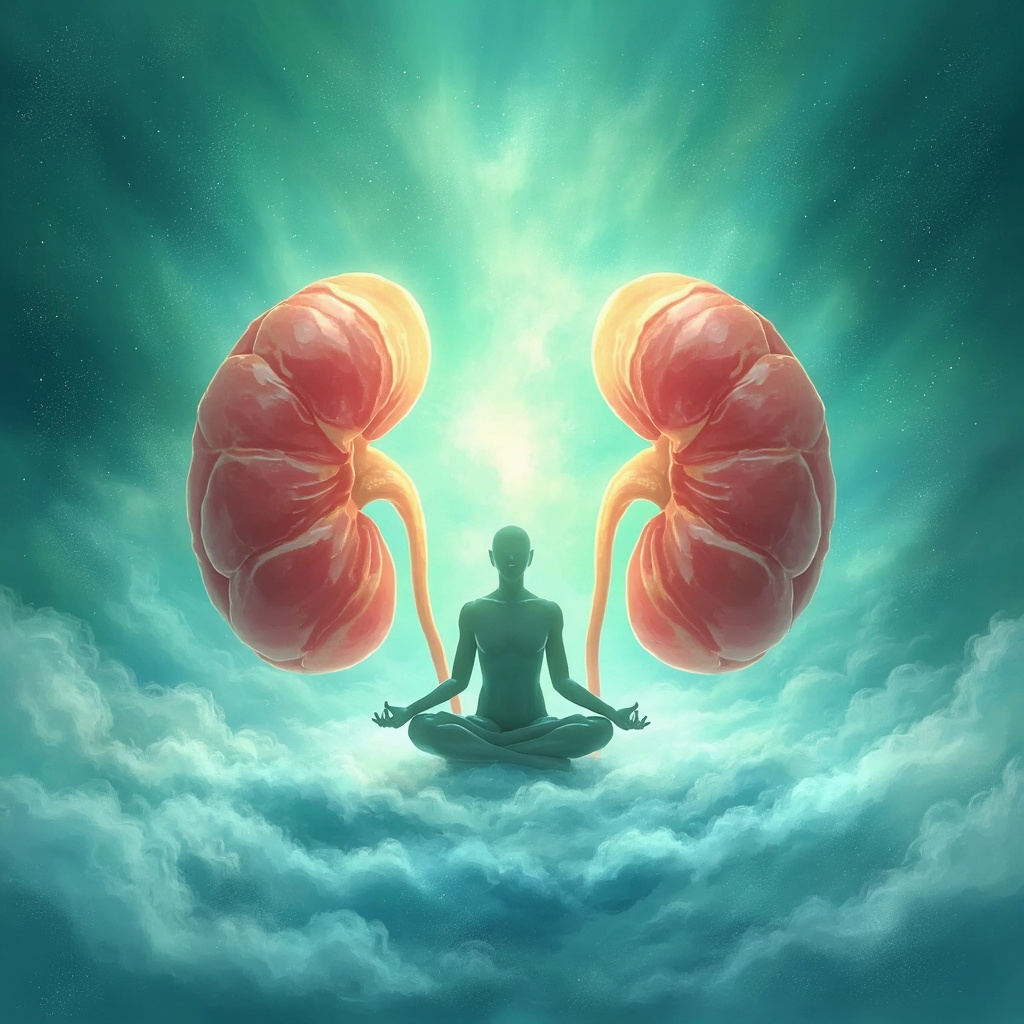
What Do the Adrenal Glands Do?
The adrenal glands are small organs perched on top of each kidney. They act like your body's alarm system, releasing key hormones during times of stress or need. These include cortisol for managing energy and inflammation, adrenaline for quick action, and aldosterone for blood pressure control. When healthy, they keep your metabolism steady, support your immune system, and help you respond to daily challenges.
In everyday life, they ramp up during stress to give you a burst of energy. But constant pressure can wear them down, leading to exhaustion or other issues.
Links to Emotions and Stress
Your adrenal glands are deeply tied to how you feel. They drive the fight-or-flight response, which is great for real threats but exhausting when triggered by worries or overload. Feelings of fear, anxiety, or insecurity often signal adrenal strain. Emotional conflicts, like feeling swamped by duties or unsafe, can disrupt their rhythm.
Over time, this shows up as low energy, trouble sleeping, or mood swings. Supporting these glands helps calm the nervous system and fosters emotional steadiness.
Assessing Adrenal Health Through Biomarkers
In BioCoherence, we look at the adrenal biomarker from a simple recording of your body's electrical activity using a sensor. This reveals details like its energy levels, agitation, qualities, and connections to other body parts.
Low energy might mean fatigue from overwork. High agitation could point to ongoing stress. These insights guide ways to bring balance using the gland's natural resonance frequencies in sessions like Harmonic Boost or Personal Guide.
Meditation's Power for Adrenal Balance
As a meditation coach, I focus on practices that regulate the nervous system and emotions. Tools like heart rate variability (HRV) and stress biomarkers show real progress. Meditation quiets the stress response, easing adrenal burden.
A recent randomized controlled trial published in November 2025 tested Heartfulness meditation over 30 days. Participants saw cortisol drop significantly (by over 130 units), while feel-good hormones oxytocin and endorphins rose. This reduced negative emotions and deepened calm. The study highlights how meditation tones down the HPA axis-the pathway that signals adrenals to release stress hormones.
Mindfulness and breathing exercises activate the parasympathetic system, countering fight-or-flight. Regular practice builds resilience, improving HRV for better stress handling.
When Adrenals Serve as a Resource
Healthy adrenal glands aid the whole body. Their hormones fine-tune metabolism for steady energy, bolster immunity against illness, stabilize blood pressure, and manage stress without overload. In BioCoherence, when adrenals are a resource, Personal Guide sessions use guiding words to draw on their strength, like envisioning their supportive flow.
Practical Steps to Support Your Adrenals
Start with this simple daily practice:
- Sit comfortably, eyes closed.
- Breathe deeply: In for 4 counts, hold 4, out 6.
- Place hands on your lower back, near kidneys.
- Visualize warm, calm light around the adrenal glands, releasing tension.
- Affirm: "My adrenals rest in peace, supporting my calm strength."
- Practice 10 minutes morning and evening.
Track changes in energy and mood. Over weeks, you'll notice less reactivity and more poise.
Balancing your adrenals through meditation paves the way for lasting inner peace. It nurtures not just the body, but your emotional world too.
- 1. cmu.edu
- 2. globalwellnessinstitute.org
- 3. insighttimer.com
- 4. sciencedirect.com
- 5. pmc.ncbi.nlm.nih.gov
- 6. psypost.org
- 7. pacificneuroscienceinstitute.org
- 8. researchgate.net
- 9. pmc.ncbi.nlm.nih.gov
- 10. frontiersin.org
- 11. pubmed.ncbi.nlm.nih.gov
- 12. concussionalliance.org
- 13. sciencedaily.com
- 14. ucdavis.edu
- 15. stillsitting.com
- 16. healthpr.org
- 17. pmc.ncbi.nlm.nih.gov
- 18. tandfonline.com
- 19. mdpi.com
- 20. health.harvard.edu
- 21. pmc.ncbi.nlm.nih.gov
- 22. mdpi.com
- 23. apa.org
- 24. mcgill.ca
- 25. swasthjournal.com
- 26. youtube.com
Related posts
Glossary
- Energy and mind Structures > Focused Coherence; Focus
- Energy and mind Structures > Peace
- Energy and mind Structures > Drive
- Energy and mind Structures > Exhaustion
- Energy and mind Structures > Immunity
- Body zones > glands
- Body zones > adrenal
- Body zones > hormones
- Body zones > kidneys
- Body zones > parasympathetic
- Body zones > eyes
- Energy and mind Structures > Organs
- TCM Recipes > Kidney Health: Boost Energy and Relieve Back Pain
- TCM Recipes > Adrenal Support: Remedies for Fatigue and Stress
- TCM Recipes > Boost Your Energy: A TCM Recipe for Fatigue Relief
- Energy and mind Structures > blood pressure
- Energy and mind Structures > Theta; 4.31-6.97 Hz. Light sleep, meditation.
- Energy and mind Structures > Stress
- Stimuli > Rose
- Stimuli > Moon - Nasal Passage, Breathing, Taste
- Binaural beats > Inflammation Relief: Heal Faster with Binaural Beats
- Binaural beats > Immune System Support: Enhancing Health with Sound Frequencies
- Stimuli > Blood
- Stimuli > Oxytocin
- Stimuli > GAPDH, Metabolism
see also...
- Energy and mind Structures > HRV
- Energy and mind Structures > Body zones > eyes
- Energy and mind Structures > TCM Recipes > Tension Headache Relief: A Natural Approach to Ease Stress
- Testimonials > 61% Drop in Nausea and 58% in Headaches from Sound Therapy
- Binaural beats > Stimuli > Chakra Throat
- Binaural beats > Immune System Support: Enhancing Health with Sound Frequencies