


Cardiovascular 3: TCM Palpitation Ally
Heart Harmony in Daily Life
Many people experience fluttering in the chest, known as palpitations, or a tight feeling called angina or chest pain. These can come with fatigue, making simple tasks feel heavy. In Traditional Chinese Medicine (TCM), such signs point to disruptions in the heart's natural energy flow, or qi. The Cardiovascular 3 aspect focuses on smooth circulation and steady rhythm, linking the heart to the whole body.
TCM Perspective on Cardiovascular 3
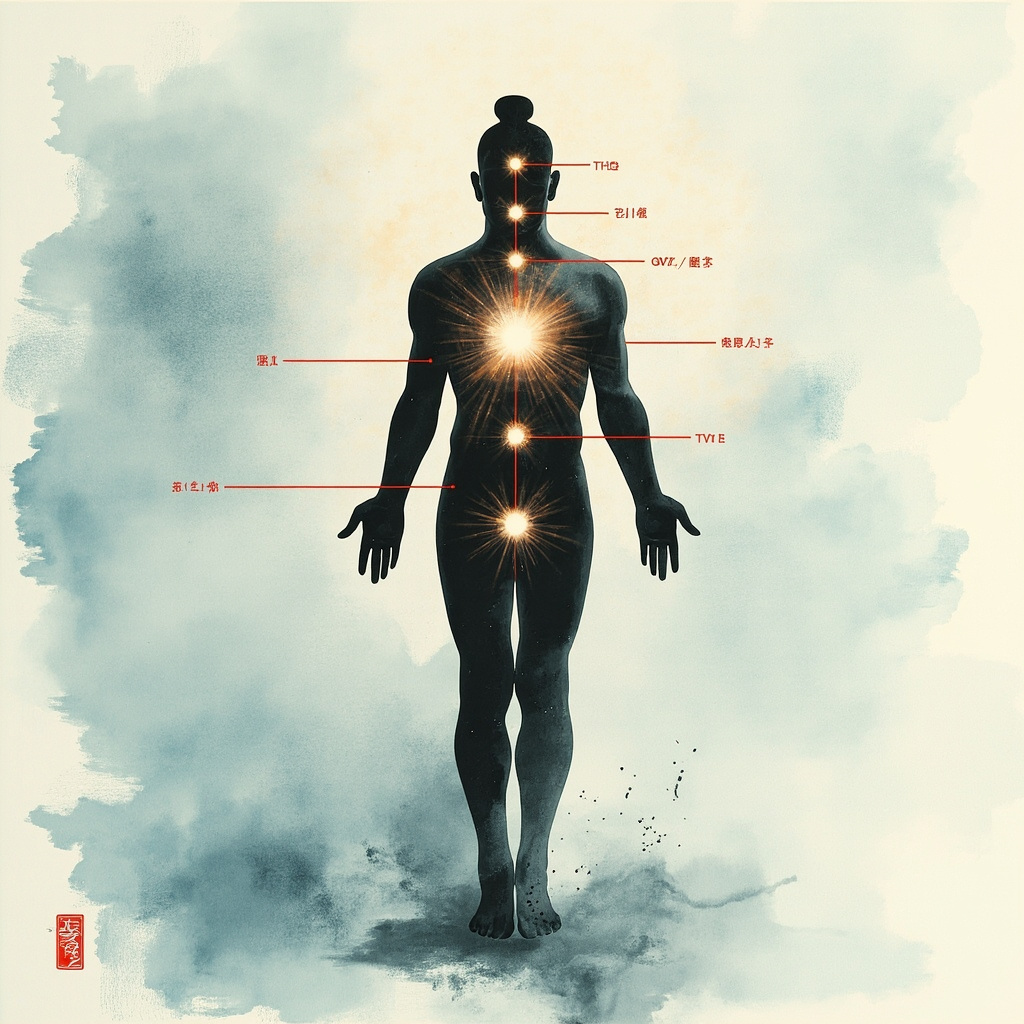
TCM sees the heart as the ruler of blood and spirit. When qi stagnates or yin weakens, the heart races or aches. Cardiovascular 3 highlights connections from fingertips to face, mind, and lower body. Imbalances here show in electrical patterns of the body, reflecting deeper harmony needs.
This ally draws from timeless points:
- TH1 (Guanchong): On the fingertip, it opens the chest and boosts circulation, easing stagnation.
- KI9 (Zhubin): Along the calf, it nourishes yin fluids, calming inner heat.
- Hy5 (Jiache): Near the jaw, it supports facial blood flow, linked to emotional tension.
- GV27 (Duiduan): At the upper lip center, it settles the mind-but use gently, avoiding direct mouth pressure.
- TV11 (Qixue): On the shoulder blade area, it strengthens lower abdomen support.
Together, they soothe palpitations, clear chest tightness, and lift energy.
Symptoms and Emotional Ties
Common issues include:
- Palpitations: Rapid or skipped beats from heart qi deficiency or excess fire, often tied to worry or shock.
- Chest pain (angina): Like pressure from blood stasis, worsened by stress.
- Fatigue: Drains vitality when yin and blood lack nourishment.
Emotions play a key role. Joy nourishes the heart, but overthinking or fear blocks flow. TCM links these to meridians, energy pathways crossing the body. Balancing Cardiovascular 3 harmonizes physical and emotional states.
The Path to Balance
In practice, these points guide restoration. Press gently on TH1 during stress to open the chest. Breathe deeply at GV27 to quiet racing thoughts. For lasting calm, combine with rest and light movement.
Recent studies support this wisdom. Acupuncture targeting heart meridians reduces angina attacks and improves comfort, aligning with TCM's holistic view. Formulas like those nourishing heart qi show promise in easing symptoms alongside modern care.
Why Cardiovascular 3 Matters
This structure bridges ancient insight and body signals. When Cardiovascular 3 is strong, you feel steady energy, clear mind, and open flow. It guards against fatigue after exertion and supports recovery from emotional strain.
For women facing hormonal shifts or men under performance pressure, it offers steady support. In TCM's five elements, it ties to fire-the heart's joyful spark-balanced by water from kidneys.
Simple Steps for Harmony
- Morning routine: Rub TH1 on both hands while breathing slowly.
- Midday check: Press KI9 if fatigue creeps in.
- Evening wind-down: Touch GV27 lightly for mind calm.
Listen to your body. Subtle shifts in rhythm reveal when to nurture. TCM teaches patience-small acts build profound balance.
Through Cardiovascular 3, reclaim your heart's quiet strength. Harmony flows from within.
- 1. biocoherence.net
- 2. c2.care
- 3. nricm.edu.tw
- 4. pmc.ncbi.nlm.nih.gov
- 5. medscape.com
- 6. sciencedirect.com
- 7. mastertungacupuncture.org
- 8. reporter.nih.gov
- 9. pmc.ncbi.nlm.nih.gov
- 10. pmc.ncbi.nlm.nih.gov
- 11. pmc.ncbi.nlm.nih.gov
- 12. pacesconnection.com
- 13. journals.sagepub.com
- 14. mastertungacupuncture.org
- 15. stramcenter.com
- 16. neuroacupuncturerehab.com
- 17. pmc.ncbi.nlm.nih.gov
- 18. pmc.ncbi.nlm.nih.gov
- 19. facebook.com
- 20. pmc.ncbi.nlm.nih.gov
- 21. acuproacademy.com
- 22. biocoherence.net
- 23. researchgate.net
- 24. ahajournals.org
- 25. bioscmed.com
- 26. pmc.ncbi.nlm.nih.gov
- 27. pmc.ncbi.nlm.nih.gov
- 28. pmc.ncbi.nlm.nih.gov
- 29. journals.lww.com
- 30. link.springer.com
- 31. chiro.org
- 32. zenetcie.ca
- 33. current-dx-tx-cardiology.updatestar.com
- 34. healthymind.fr
- 35. withings.com
- 36. instagram.com
- 37. pmc.ncbi.nlm.nih.gov
- 38. frontiersin.org
- 39. joyfultcm.com
Related posts
Glossary
- Energy and mind Structures > Structure
- Energy and mind Structures > Fire
- Energy and mind Structures > Performance
- Energy and mind Structures > Stagnation
- Energy and mind Structures > Meridians
- Body zones > hormonal
- Body zones > kidneys
- Body zones > mouth
- Body zones > chest
- Body zones > face
- TCM Recipes > Cardiovascular Support: Natural Relief for Heart Issues
- TCM Recipes > Circulation: Boost Energy and Warm Your Extremities
- TCM Recipes > Heart Health: Remedies for Anxiety and Palpitations
- TCM Recipes > Boost Your Energy: A TCM Recipe for Fatigue Relief
- Energy and mind Structures > vitality
- Energy and mind Structures > fluids
- Energy and mind Structures > movement
- Energy and mind Structures > Stress
- Stimuli > Angina
- Stimuli > Moon - Nasal Passage, Breathing, Taste
- Stimuli > Pain
- Stimuli > Shock
- Stimuli > Harmony
- Stimuli > Blood