


Echinococcus granulosus 2: TCM Liver-Lung Ally
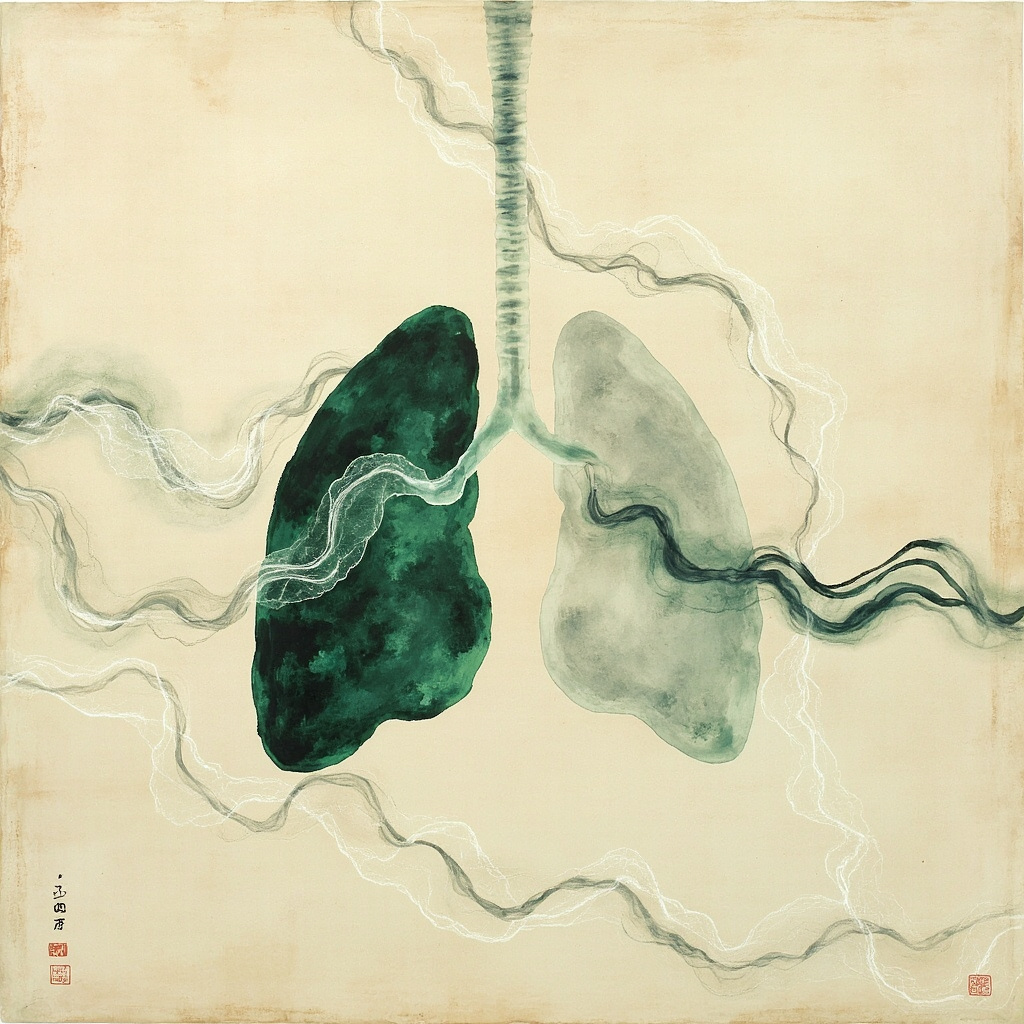
Echinococcus granulosus 2 is a marker in body energy scans that points to a tiny parasitic tapeworm. See glossary. It often affects the liver and lungs by creating fluid-filled cysts. These grow slowly and can stay silent for years before causing trouble. In Traditional Chinese Medicine (TCM), this connects to deeper imbalances in qi flow, organ function, and emotions.
The Physical Challenge
This parasite spreads through contact with infected animal feces, like from dogs or sheep. Humans swallow eggs unknowingly. The larvae travel via blood to settle in organs. The liver hosts about 70% of cases, with lungs next at 20%. Cysts press on tissues, leading to pain, swelling, or breathing issues. Liver cysts might cause belly discomfort or yellow skin. Lung ones can bring coughs or chest pressure. Serious cases risk bursting, sparking infections or allergic reactions.
In TCM, the liver governs smooth qi movement and stores blood. It links to the wood element, handling plans and vision. The lung takes in fresh qi, spreads defense energy, and ties to metal, grief, and boundaries. Parasitic cysts signal damp-phlegm buildup, blocking channels and weakening organ qi.
Emotional Echoes
Health threats like this stir strong feelings. Fear grips many, as cysts threaten vital organs. Anxiety builds over symptoms or treatment needs. A sense of invasion hits deep, like the body under siege. TCM sees emotions as qi movers. Fear roots in kidney weakness but ripples to lungs and liver. Liver stagnation breeds frustration, while lung disharmony deepens sadness or worry. This creates a cycle: stress worsens qi blocks, aiding parasite hold.
Studies note emotional strain in similar infections, with distress and depression common. Addressing feelings restores flow, aiding physical healing.
TCM Harmony Approach
TCM views this not just as foe, but potential ally for growth. Balanced, it teaches resilience and detoxification.
Qi and Organ Balance
- Liver support: Clear stagnation with herbs like bupleurum or citrus peel. Acupuncture on liver-gallbladder meridians smooths flow.
- Lung nourishment: Strengthen with astragalus or licorice. Points like lung 7 descend qi, easing breath.
Five Elements Insight
Wood (liver) feeds fire but clashes with metal (lung). Parasite dampness insults spleen-earth, source of phlegm. Balance elements: tonify spleen to dry damp, harmonize wood-metal.
Yin-Yang Equilibrium
Cysts show excess yin (fluid) over yang motion. Warm herbs and movement restore activity.
Practical Steps for Well-Being
- Diet: Favor warm, dry foods. Porridge with ginger aids spleen. Avoid cold dairy that breeds damp.
- Breath Work: Deep abdominal breathing nourishes lung qi, calms fear.
- Movement: Gentle qi gong flows liver energy, prevents stagnation.
- Mind Practices: Visualize clear channels, releasing invasion fears.
Recent research highlights TCM herbs like Zataria multiflora and Nigella sativa against hydatid protoscolices. Combined approaches show promise, reducing reliance on long drug courses.
When as a Resource
In harmony, this marker guides emotional strength. It highlights kidney-lung fear links, urging boundary care. Use it to:
- Manage anxiety with grounding visualizations.
- Support organ detox via spleen-liver tonics.
- Build resilience, turning challenge to wisdom.
TCM bridges body and spirit. By aligning qi, meridians, and emotions, we dissolve blocks. Explore your energy flows for personalized harmony. This ally reveals paths to vitality.
- 1. who.int
- 2. nature.com
- 3. researchgate.net
- 4. cdc.gov
- 5. ouci.dntb.gov.ua
- 6. intechopen.com
- 7. frontiersin.org
- 8. pubmed.ncbi.nlm.nih.gov
- 9. pmc.ncbi.nlm.nih.gov
- 10. mednexus.org
- 11. sciencedirect.com
- 12. pmc.ncbi.nlm.nih.gov
- 13. pmc.ncbi.nlm.nih.gov
- 14. mdpi.com
- 15. nature.com
- 16. pubmed.ncbi.nlm.nih.gov
- 17. who.int
- 18. pmc.ncbi.nlm.nih.gov
- 19. journals.lww.com
- 20. journals.asm.org
- 21. journals.plos.org
- 22. iwaponline.com
- 23. mednexus.org
- 24. my.clevelandclinic.org
- 25. preprints.org
- 26. pmc.ncbi.nlm.nih.gov
- 27. cdc.gov
- 28. emedicine.medscape.com
- 29. sciencedirect.com
- 30. researchexperts.utmb.edu
- 31. cdc.gov
- 32. rupahealth.com
- 33. ui.adsabs.harvard.edu
- 34. researchgate.net
Related posts
Glossary
- Energy and mind Structures > Metal
- Energy and mind Structures > Fire
- Energy and mind Structures > Wood
- Energy and mind Structures > Sadness
- Energy and mind Structures > Grief
- Energy and mind Structures > Stagnation
- Energy and mind Structures > Meridians
- Energy and mind Structures > Echinococcus granulosus 2.
- Body zones > lungs
- Body zones > tissues
- Body zones > chest
- Energy and mind Structures > Organs
- TCM Recipes > Skin Health: Remedies for Acne and Eczema
- TCM Recipes > Liver Health: A TCM Recipe for Balance and Calm
- TCM Recipes > Kidney Health: Boost Energy and Relieve Back Pain
- TCM Recipes > Spleen Health: Boost Digestion, Appetite, and Energy
- TCM Recipes > Lung Support: A TCM Recipe for Respiratory Health
- TCM Recipes > Herbal Relief: A TCM Approach to Lift Your Mood
- Energy and mind Structures > vitality
- Energy and mind Structures > movement
- Energy and mind Structures > Vital organs
- Energy and mind Structures > Stress
- Stimuli > GSTM1, Detoxification
- Stimuli > IGF1, Growth
- Stimuli > Ginger
- Stimuli > Moon - Nasal Passage, Breathing, Taste
- Stimuli > AIDS
- Stimuli > Cysts
- Stimuli > Pain
- Stimuli > Tapeworm
- Stimuli > Harmony
- Stimuli > Blood