


Ascaris Larvae: TCM Gut-Lung Harmony Path
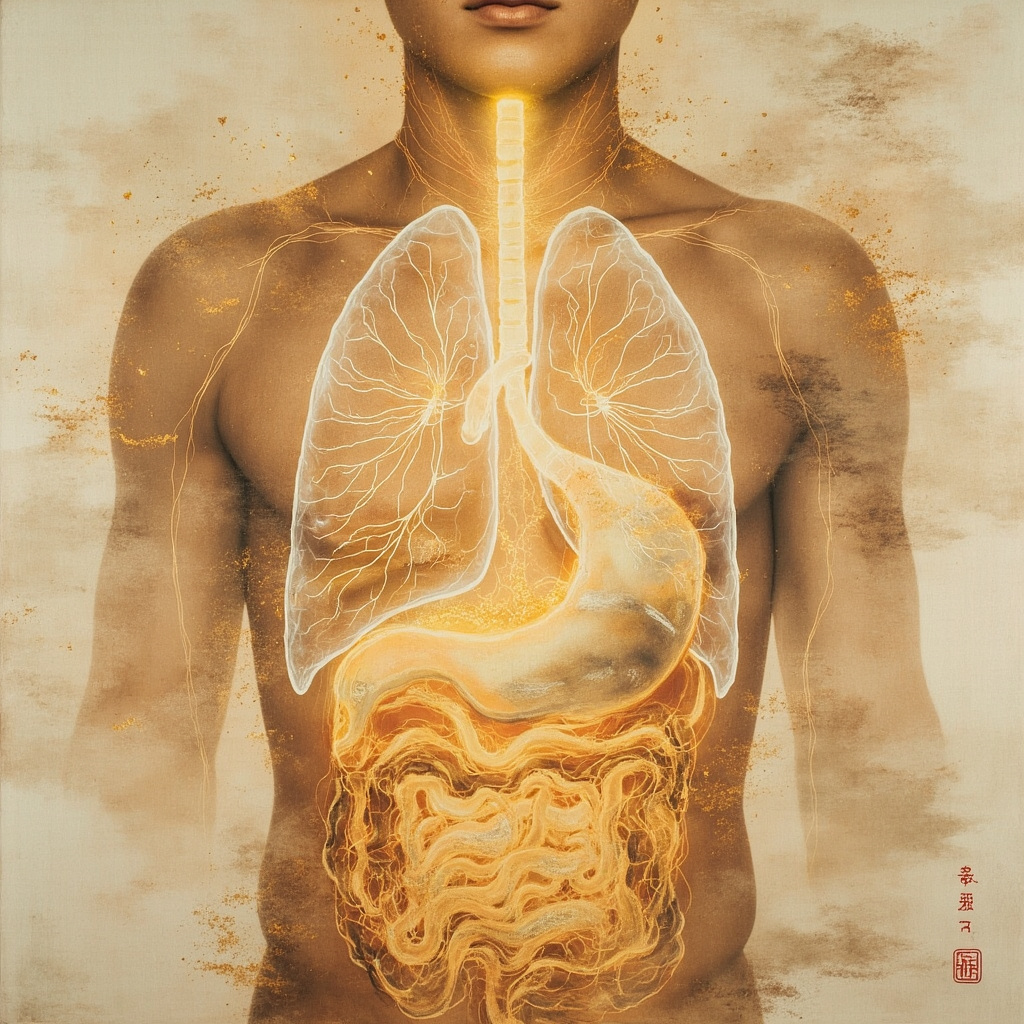
Ascaris larvae represent a common parasitic challenge that affects the body's core harmony. These tiny invaders enter through contaminated food or soil, settling first in the intestines before migrating to the lungs. This journey disrupts digestion and breath, leading to real discomfort for many. In Traditional Chinese Medicine, we view such imbalances through the lens of qi flow, organ networks, and emotional ties. For deeper insights, see the Ascaris larvae glossary.
Physical Disruptions from Ascaris Larvae
Once ingested, the eggs hatch in the small intestine. The larvae burrow through the gut wall, enter the bloodstream, and travel to the lungs. There, they cause irritation, coughing, and wheezing, mimicking asthma-like symptoms. Back in the gut as adults, they block nutrient absorption, leading to abdominal pain, bloating, nausea, and fatigue.
Heavy loads worsen issues: malnutrition in children stunts growth, while adults face chronic tiredness and weight loss. Lungs suffer inflammation, reducing breath capacity, especially in younger men exposed early. These effects highlight how parasites tax the spleen and lungs, key TCM organs for nourishment and defense.
- Gut symptoms: Cramping, diarrhea, vomiting.
- Lung migration: Cough, shortness of breath, fever.
- Long-term: Weak immunity, poor vitality.
Emotional Shadows
Beyond the body, Ascaris stirs deeper feelings. The constant gut ache breeds anxiety and distress, while lung troubles add breathlessness-fueled fear. Thoughts of invasion spark disgust and helplessness, mirroring TCM's link between parasites and unresolved worry or grief.
Spleen governs digestion and overthinking; when dampened by parasites, worry festers. Lungs hold grief and boundaries; larval passage weakens protective qi, inviting vulnerability. This emotional-physical knot amplifies stress, creating a cycle of unease and low mood.
TCM View: Dampness, Heat, and Invasion
In TCM, Ascaris larvae embody external damp-heat pathogens, sneaking past weakened defenses. They accumulate dampness in the spleen, clogging qi in intestines and meridians. Lung involvement signals metal element weakness, fed by imbalanced earth (spleen).
Five elements theory explains: Spleen-earth nurtures Lung-metal. Parasitic damp erodes this, stagnating qi and breeding phlegm. Yin-yang tilts toward excess yang heat during migration, inflaming tissues. Meridians like stomach-spleen and lung-large intestine bear the brunt, blocking smooth flow.
Biomarkers reveal this: energy dips in gut zones, agitation rises in lungs, qualities shift to sticky dampness. Emotions link via spleen's pensiveness, lungs' sadness.
Ascaris as a Hidden Resource
Paradoxically, awareness of Ascaris guides healing. As a resource, it spotlights gut health needs, urging spleen tonics for better absorption. Lung lessons teach boundary-setting, easing grief. Tuning into these signals fosters resilience, turning invasion into inner strength.
Pathways to Harmony
TCM restores balance holistically:
Nourish Spleen, Clear Damp
- Herbs like poria and atractylodes dry damp, boost digestion.
- Acupuncture on SP6 and ST36 moves qi, expels parasites.
Strengthen Lungs, Guard Wei Qi
Emotional Flow
- Guide worry to spleen with grounding breath; release lung grief via vocal toning.
- Yin-yang balance via cooling foods: mung beans, pears.
Tailor to biomarkers: spleen qi deficiency calls Xiao Yao San for flow; lung damp needs Ping Wei San. Modern insights confirm herbs paralyze worms, aligning ancient wisdom.
By addressing root dampness, qi circulates freely. Gut digests fully, lungs breathe deeply, emotions settle. Harmony returns, vitality blooms.
This path invites self-tuning: observe symptoms, align with seasons, support organs daily. Your body knows the way back to balance.
- 1. pubmed.ncbi.nlm.nih.gov
- 2. nature.com
- 3. pubmed.ncbi.nlm.nih.gov
- 4. pubmed.ncbi.nlm.nih.gov
- 5. patents.google.com
- 6. pmc.ncbi.nlm.nih.gov
- 7. pubmed.ncbi.nlm.nih.gov
- 8. emedicine.medscape.com
- 9. emedicine.medscape.com
- 10. birmingham.ac.uk
- 11. frontiersin.org
- 12. pmc.ncbi.nlm.nih.gov
- 13. pubmed.ncbi.nlm.nih.gov
- 14. pubmed.ncbi.nlm.nih.gov
- 15. pubmed.ncbi.nlm.nih.gov
- 16. link.springer.com
- 17. sciencedirect.com
- 18. meandqi.com
- 19. sciencedirect.com
- 20. pubmed.ncbi.nlm.nih.gov
- 21. news-medical.net
- 22. mayoclinic.org
- 23. pubmed.ncbi.nlm.nih.gov
- 24. semanticscholar.org
- 25. eureka.patsnap.com
- 26. journals.plos.org
- 27. springermedicine.com
- 28. sciencedaily.com
- 29. pubmed.ncbi.nlm.nih.gov
Related posts
Glossary
- Energy and mind Structures > Sadness
- Energy and mind Structures > Grief
- Energy and mind Structures > Immunity
- Energy and mind Structures > Meridians
- Energy and mind Structures > Ascaris larvae
- Body zones > lungs
- Body zones > tissues
- Body zones > chest
- Body zones > face
- Energy and mind Structures > Organs
- TCM Recipes > Cough Relief: A Simple TCM Recipe for Chest Tightness
- TCM Recipes > Spleen Health: Boost Digestion, Appetite, and Energy
- TCM Recipes > Lung Support: A TCM Recipe for Respiratory Health
- TCM Recipes > Boost Your Energy: A TCM Recipe for Fatigue Relief
- TCM Recipes > Digestive Relief: Remedies for Abdominal Pain & Nausea
- Energy and mind Structures > vitality
- Energy and mind Structures > Digestion
- Energy and mind Structures > Stress
- Stimuli > IGF1, Growth
- Stimuli > Fever
- Stimuli > Pain
- Binaural beats > Inflammation Relief: Heal Faster with Binaural Beats
- Stimuli > Worms
- Stimuli > Parasites
- Stimuli > Harmony
see also...
- Energy and mind Structures > HRV
- Energy and mind Structures > Body zones > thoracic
- Energy and mind Structures > TCM Recipes > Digestive Relief: Remedies for Abdominal Pain & Nausea
- Testimonials > 61% Drop in Nausea and 58% in Headaches from Sound Therapy
- Binaural beats > Stimuli > Sacral, Zinc Etc
- Binaural beats > Desensitizer: Boost Your Energy and Focus Effectively