


Left Veins: TCM Nurturing Grief Ally
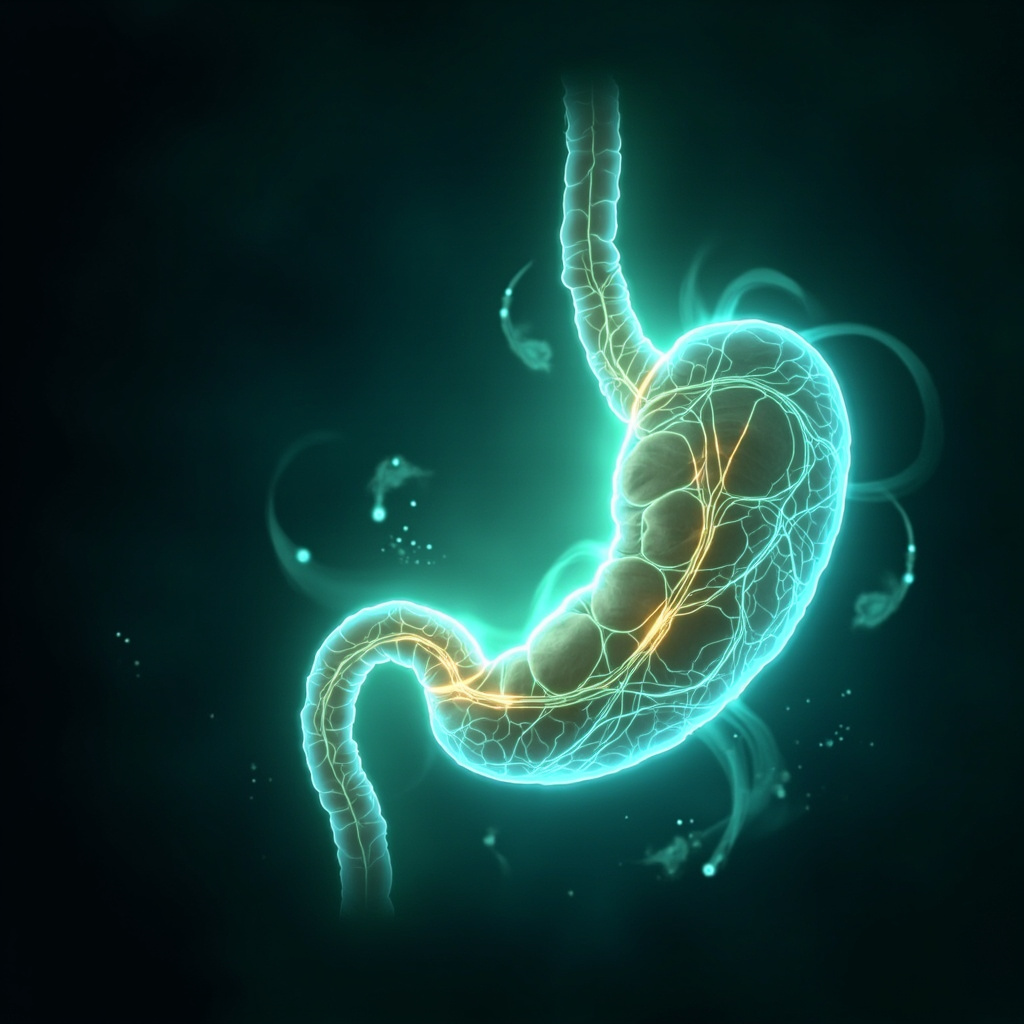
Left veins serve as a crucial bridge in the body, carrying oxygen-rich blood from the lungs directly to the heart's left atrium. Left Veins This pathway ensures every cell receives the life-giving oxygen needed for vitality and daily vigor. Without smooth flow here, the body struggles, leading to common issues like fatigue and shortness of breath.
Physical Role in Oxygen Delivery
These vessels, particularly the left pulmonary veins, pick up oxygenated blood after it passes through the lungs. They deliver it efficiently to the heart, which then pumps it out to nourish muscles, organs, and the brain. Healthy left veins support:
- Steady energy levels throughout the day
- Clear breathing and lung capacity
- Strong cardiovascular function
When flow is hindered, symptoms appear: tiredness even after rest, breath catching during simple tasks, or a subtle heaviness in the chest. These signs point to the need for better harmony in this vital channel.
The Yin Essence of the Left Side
In Traditional Chinese Medicine, the left side of the body holds more yin energy-calm, receptive, and nurturing. Unlike the active yang on the right, the left embodies receiving, care, and inner support. Left veins align perfectly with this, as they receive blood from the lungs and nurture the heart. This makes them key players in feminine qualities like emotional openness and self-care.
Problems on the left often signal yin deficiency or blockages, reflecting a deeper call for gentleness and restoration.
Emotional Links: Grief, Sadness, and Release
TCM teaches that emotions deeply influence physical health. Grief and sadness connect to the lungs, the organ that governs breath and letting go. Unprocessed loss can weaken lung qi, stagnating energy that flows through the left veins to the heart-home of joy.
When left veins falter emotionally:
- Feelings of loss linger, creating chest tightness
- Support from others feels distant
- Subtle aches arise from unresolved pain
Conversely, strong left veins help process these emotions, turning heavy grief into lighter acceptance. They foster a sense of being held and nourished, much like a warm embrace for the spirit.
Qi Flow Through Meridians and Elements
The lung meridian (metal element) starts in the chest, linking breath to emotional release. It feeds into the heart meridian (fire element), where joy ignites. Left veins facilitate this qi movement on the yin side, balancing metal's contraction with fire's warmth.
Imbalances might show as:
- Lung qi deficiency: Frequent sighs, dry cough, low mood
- Heart yin lack: Restless sleep, palpitations tied to worry
TCM assesses these through patterns: excess phlegm dampening flow, or heat from stuck emotions. The five elements guide: metal (lungs) nourished by fire (heart), controlling wood (liver anger) to prevent overflow.
Signs of Disharmony and Daily Clues
Listen to your body:
Physical clues:
- Shortness of breath on exertion
- Persistent fatigue despite rest
- Coolness or tingling in the left chest
Emotional clues:
- Dwelling on past losses
- Difficulty receiving affection
- A sense of emotional isolation
These often intertwine, as TCM views body and mind as one.
Harnessing Left Veins as a Resource
When vibrant, left veins empower other systems:
- Boost oxygen to kidneys for fear resilience
- Support liver detox by aiding smooth qi
- Enhance spleen digestion through steady nourishment
They promote emotional healing, easing grief to invite joy. In practice, deep abdominal breathing activates lung qi, while gentle heart-focused meditation nurtures yin.
Biomarkers Bridge to Modern Harmony
Today, tools measure electrical activity reveal left veins energy, agitation, and links. High agitation might signal emotional turbulence; low energy, qi stagnation. TCM wisdom interprets these for targeted balance-tonifying lung qi with herbs like astragalus, or meridians via acupressure.
For example, if biomarkers show left veins strain, focus on metal-fire harmony: warm foods, joyful activities, and rest to rebuild yin.
Restoring left veins flow brings whole-body renewal-physical stamina, emotional lightness, and inner peace. Embrace their nurturing ally for lasting well-being.
- 1. ahajournals.org
- 2. texascenterforlifestylemedicine.org
- 3. instagram.com
- 4. medrxiv.org
- 5. hrsonline.org
- 6. raleighacupunctureinc.com
- 7. youtube.com
- 8. mladenoffclinicaz.com
- 9. facebook.com
- 10. youtube.com
- 11. instagram.com
- 12. insighttimer.com
- 13. scai.org
- 14. pmc.ncbi.nlm.nih.gov
- 15. havenyogameditation.com.au
- 16. pmc.ncbi.nlm.nih.gov
- 17. anoasisofhealing.com
- 18. yinovacenter.com
- 19. youtube.com
- 20. open.spotify.com
- 21. sciencedirect.com
- 22. youtube.com
- 23. sinkangtcm.com.sg
- 24. pmc.ncbi.nlm.nih.gov
- 25. ubiehealth.com
- 26. jacc.org
- 27. acaacupuncture.com
- 28. medicalxpress.com
- 29. heartrhythmjournal.com
- 30. verywellmind.com
- 31. yasminhodgeacupuncture.co.uk
- 32. fireflywithin.com
- 33. youtube.com
- 34. instagram.com
- 35. katokamassagetherapy.com
- 36. yosan.edu
- 37. facebook.com
- 38. acuboulder.com
Related posts
Glossary
- Energy and mind Structures > oxygen
- Energy and mind Structures > Focused Coherence; Focus
- Energy and mind Structures > Metal
- Energy and mind Structures > Fire
- Energy and mind Structures > Wood
- Energy and mind Structures > Sadness
- Energy and mind Structures > Peace
- Energy and mind Structures > Grief
- Energy and mind Structures > Letting go
- Energy and mind Structures > Stagnation
- Energy and mind Structures > Meridians
- Body zones > feminine
- Body zones > lungs
- Body zones > muscles
- Body zones > veins
- Body zones > left
- Body zones > chest
- Energy and mind Structures > Organs
- TCM Recipes > Cough Relief: A Simple TCM Recipe for Chest Tightness
- TCM Recipes > Heart Health: Remedies for Anxiety and Palpitations
- TCM Recipes > Lung Support: A TCM Recipe for Respiratory Health
- TCM Recipes > Brain Boost: Clear Fog, Improve Focus & Memory
- TCM Recipes > Boost Your Energy: A TCM Recipe for Fatigue Relief
- Energy and mind Structures > sleep
- Energy and mind Structures > vitality
- Energy and mind Structures > movement
- Energy and mind Structures > Digestion
- Energy and mind Structures > Theta; 4.31-6.97 Hz. Light sleep, meditation.
- Stimuli > Moon - Nasal Passage, Breathing, Taste
- Stimuli > Harmony
- Stimuli > Blood
see also...
- Energy and mind Structures > Theta; 4.31-6.97 Hz. Light sleep, meditation.
- Energy and mind Structures > Body zones > substantia nigra
- Energy and mind Structures > TCM Recipes > Tension Headache Relief: A Natural Approach to Ease Stress
- Testimonials > 61% Drop in Nausea and 58% in Headaches from Sound Therapy
- Binaural beats > Stimuli > Variolinum