


Bladder: TCM Fear and Boundary Ally
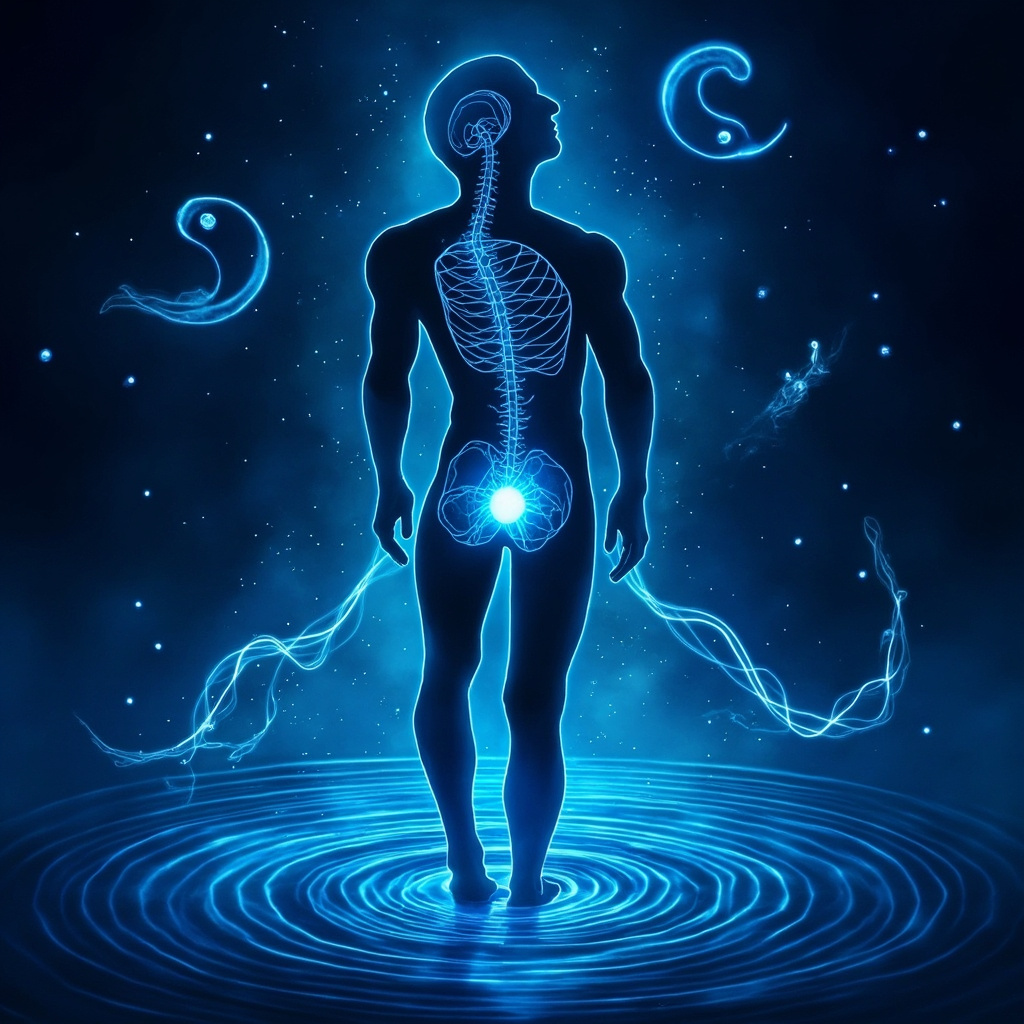
The Bladder's Place in the Body
The bladder sits in the lower abdomen, just above the pubic bone and behind it. Learn more about the bladder. It receives urine from the kidneys, stores it until full, and releases it through the urethra when you urinate. This simple process keeps your body free of waste and maintains fluid balance.
In Traditional Chinese Medicine (TCM), the bladder pairs with the kidneys as part of the Water element. It helps control fluids and supports the lower body's energy flow. Healthy bladder function means steady urination, no pain, and good control.
Signs of Bladder Imbalance
When the bladder struggles, common problems arise:
- Urinary incontinence: Leaking urine, especially with coughing or laughing.
- Frequent infections: Burning during urination or urgent needs.
- Stones or retention: Painful buildup or trouble emptying fully.
These issues disrupt daily life and signal deeper disharmony. In TCM, they often stem from weak qi (vital energy) or dampness blocking flow.
Emotional Ties to the Bladder
TCM views organs beyond the physical. The bladder connects to fear, anxiety, and insecurity. Think of phrases like "pissed off"-irritation or anger can tighten the bladder, much like holding grudges strains boundaries.
Excess fear drains kidney essence, weakening the bladder meridian. This long pathway runs along the back, from eyes to feet, influencing posture and nerves. Held emotions may cause:
- Tense lower back.
- Restless nights.
- Feeling vulnerable, like poor territory defense.
Conflicts over letting go-jobs, relationships, habits-mirror the bladder's store-and-release role. Chronic worry grips the Water element, leading to fatigue or cold limbs.
Bladder as a Resource
A strong bladder aids the whole body. It:
- Balances fluids and electrolytes.
- Shares emotional signals, helping process fear constructively.
- Bolsters homeostasis, your body's steady state against stress.
In TCM, call on the bladder to support priorities like kidney vitality or spleen digestion. It fosters resilience, turning fear into caution and boundaries into strength.
Assessing and Harmonizing in TCM
Practitioners evaluate qi flow along meridians using signs like tongue color or pulse. Biomarkers from electrical activity reveal the bladder's energy, agitation, qualities, and organ links.
To restore harmony:
- Acupressure or acupuncture on bladder points eases fear and boosts flow.
- Herbs like cornus or plantago clear dampness.
- Diet: Warm foods, avoid cold drinks to warm yang.
- Breathwork: Deep belly breathing strengthens the meridian.
Studies show bladder meridian massage reduces anxiety in stressed models, aligning physical and emotional health.
Daily Practices for Bladder Harmony
Build bladder strength:
- Warm your lower belly: Use hot packs or socks.
- Kegel exercises: Strengthen muscles for control.
- Journal fears: Release emotional holdings.
- Hydrate wisely: Sip warm water steadily.
- Walk mindfully: Activate the back meridian.
Winter, the Water season, is ideal for focus. Nurture the bladder to face uncertainties with calm.
In BioCoherence, resonance frequencies target the bladder directly, while guided words in sessions invite it as ally or priority. This bridges ancient wisdom with modern insights for true balance.
- 1. instagram.com
- 2. hendersonhealinghub.com
- 3. music.youtube.com
- 4. calandraacupuncture.com
- 5. infinityflexibility.com
- 6. facebook.com
- 7. youtube.com
- 8. nikkibostwick.com
- 9. youtube.com
- 10. soundcloud.com
- 11. youtube.com
- 12. goldenmonkeyhealing.com
- 13. open.spotify.com
- 14. pmc.ncbi.nlm.nih.gov
- 15. optimumenergyandwellness.com
- 16. creativesoultherapies.com
- 17. thinkmovefeel.com
- 18. sciencedirect.com
- 19. acuproacademy.com
- 20. insighttimer.com
- 21. acupuncturetherapeutics.com
- 22. pmc.ncbi.nlm.nih.gov
- 23. pmc.ncbi.nlm.nih.gov
- 24. youtube.com
- 25. texascenterforlifestylemedicine.org
- 26. open.spotify.com
- 27. naturalchoicemedicalclinic.com
- 28. frontiersin.org
- 29. redwoodacupunctureandherbs.com
- 30. aromahub.mt
- 31. youtube.com
- 32. verywellmind.com
- 33. katokamassagetherapy.com
- 34. pmc.ncbi.nlm.nih.gov
- 35. ondol.com.au
- 36. acaacupuncture.com
- 37. johannasacupuncture.com
Related posts
Glossary
- Energy and mind Structures > Focused Coherence; Focus
- Energy and mind Structures > Water
- Energy and mind Structures > Meridians
- Body zones > kidneys
- Body zones > muscles
- Body zones > nerves
- Body zones > tongue
- Body zones > bladder
- Body zones > eyes
- Body zones > face
- Energy and mind Structures > Organs
- TCM Recipes > Kidney Health: Boost Energy and Relieve Back Pain
- TCM Recipes > Spleen Health: Boost Digestion, Appetite, and Energy
- TCM Recipes > Boost Your Energy: A TCM Recipe for Fatigue Relief
- Energy and mind Structures > vitality
- Energy and mind Structures > fluids
- Energy and mind Structures > Digestion
- Energy and mind Structures > Limbs, skin
- Energy and mind Structures > Stress
- Stimuli > Moon - Nasal Passage, Breathing, Taste
- Stimuli > AIDS
- Stimuli > Pain
- Stimuli > Bladder
- Stimuli > Bone
- Stimuli > Harmony
see also...
- Energy and mind Structures > HRV
- Energy and mind Structures > Body zones > thoracic
- Energy and mind Structures > TCM Recipes > Tension Headache Relief: A Natural Approach to Ease Stress
- Testimonials > 61% Drop in Nausea and 58% in Headaches from Sound Therapy
- Binaural beats > Stimuli > Sacral, Zinc Etc