


Bladder Muscles: TCM Boundary Strength Ally
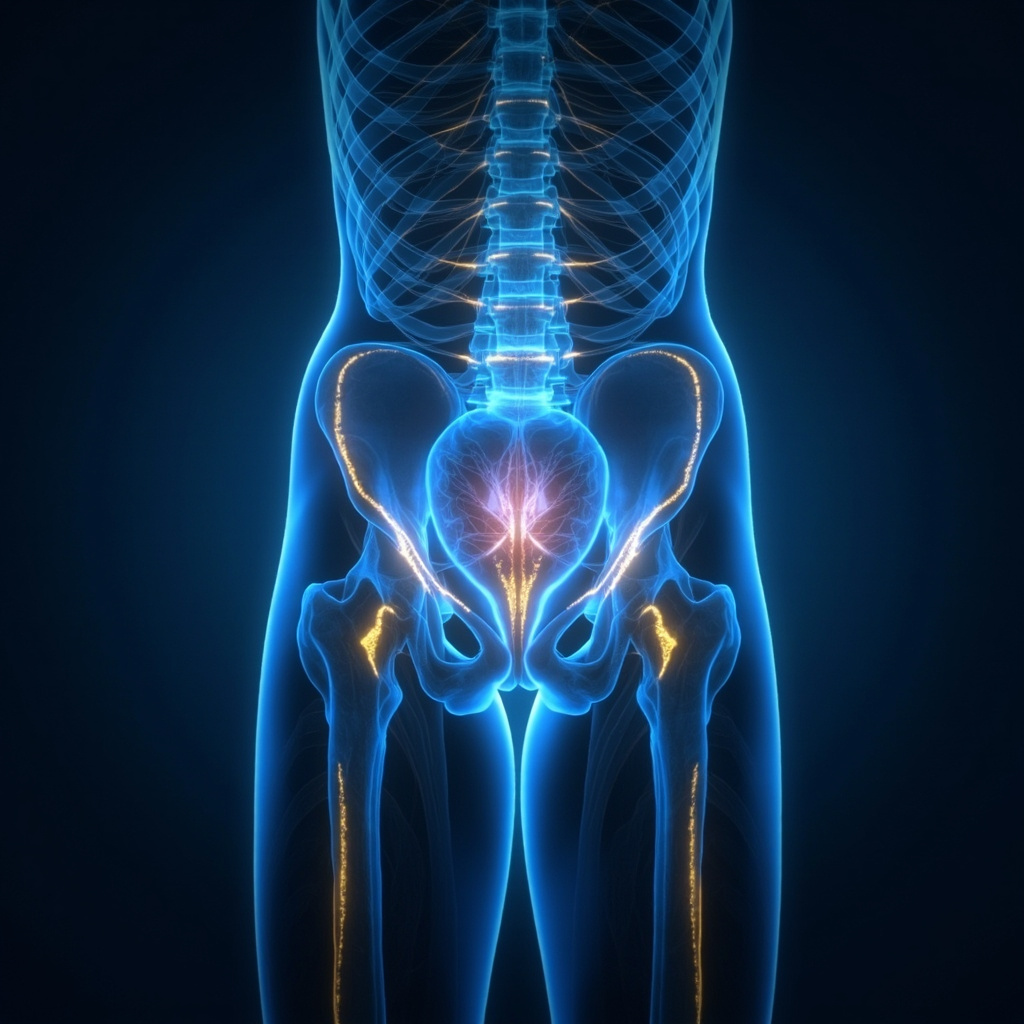
The bladder muscles create the flexible yet strong walls of the bladder, a sac in the pelvis that holds urine from the kidneys. These muscles stretch to store fluid and squeeze tightly to empty it during urination. When they work well, you feel confident and in control. But weakness or tension can lead to leaks, urgency, trouble starting or stopping flow, or even infections.
Physical Role of Bladder Muscles
These muscles act like a smart reservoir. They expand as urine builds up, then contract smoothly to release it through the urethra. Key functions include:
- Storage: Holding up to two cups of urine without pressure.
- Emptying: Contracting in coordination with relaxation of the urethral sphincter.
- Protection: Preventing bacteria backflow to avoid infections.
Common problems arise from aging, childbirth, surgery, or nerve issues. Urinary incontinence means unwanted leaks, especially with coughs or laughs. Overactive bladder brings sudden urges. Retention traps urine, risking discomfort or stones. Simple habits like staying hydrated and avoiding holding urine too long support these muscles.
Emotional Links to Bladder Health
In Traditional Chinese Medicine, the bladder connects to feelings of territory and boundaries. Think of it as your body's way of marking personal space. Stress from feeling invaded, threatened, or unable to set limits shows up here. Emotions like fear, jealousy, suspicion, or holding grudges can tighten or weaken bladder muscles. For example, ongoing anxiety about others crossing your lines might cause urgency or pain. Releasing these through awareness brings relief.
TCM Perspective on Bladder Muscles
The bladder belongs to the water element in TCM, paired with the kidneys. It stores yang qi-warm, active energy-and governs fluid metabolism. The bladder meridian, the longest pathway, runs from the inner eye, down the back in two lines beside the spine, through the legs to the pinky toe. It influences the entire posterior body, including back muscles, knees, and ankles.
Imbalances disrupt qi flow, leading to stiffness, low back pain, headaches, or urinary woes. Fear taxes the bladder most, as water relates to winter's depth and survival instincts. Harmonizing it restores courage and adaptability.
Bladder Muscles as a Resource
A strong bladder supports the whole body:
- Fluid regulation: Clears waste, aiding detox for liver and kidneys.
- Stress reduction: Proper elimination eases tension, calming adrenals.
- Emotional anchor: Reinforces boundaries, boosting confidence for heart and mind.
When other areas falter-like kidney fear or spleen worry-the bladder steps in. It provides grounding, helping prioritize safety and flow.
Insights from Biomarkers
Modern tools like BioCoherence examine bladder biomarkers from electrical activity recordings. These reveal energy levels, agitation, qualities, and connections to other systems. Low energy might signal deficiency; high agitation, excess heat or stagnation. Bladder glossary details these for deeper understanding.
Ways to Strengthen Bladder Muscles in TCM
Restore harmony with gentle practices:
- Acupressure: Press BL23 (near lower back kidneys) and BL40 (behind knees) daily for qi boost.
- Breathwork: Deep belly breaths release fear, relaxing muscles.
- Diet: Warm foods like ginger soup support water element; avoid cold drinks.
- Movement: Kegels strengthen muscles; walking tonifies meridian.
- Herbs: Formulas like Ba Zheng San clear damp-heat (consult a practitioner).
Targeted meditations guide attention to the bladder, affirming boundaries: "I hold my space with ease and release what no longer serves."
By nurturing bladder muscles, you build resilience. Body and emotions align, energy flows freely. This foundation supports vitality across all systems.
- 1. pmc.ncbi.nlm.nih.gov
- 2. nafc.org
- 3. facebook.com
- 4. 12meridiansacupuncture.com
- 5. biocoherence.net
- 6. pmc.ncbi.nlm.nih.gov
- 7. goodhousekeeping.com
- 8. instagram.com
- 9. nikkibostwick.com
- 10. biocoherence.net
- 11. pmc.ncbi.nlm.nih.gov
- 12. biocoherence.net
- 13. creativesoultherapies.com
- 14. youtube.com
- 15. pmc.ncbi.nlm.nih.gov
- 16. pmc.ncbi.nlm.nih.gov
- 17. icakusa.com
- 18. johannasacupuncture.com
- 19. katokamassagetherapy.com
- 20. scribd.com
- 21. pmc.ncbi.nlm.nih.gov
- 22. instagram.com
- 23. youtube.com
- 24. pmc.ncbi.nlm.nih.gov
- 25. sciencedaily.com
- 26. biocoherence.net
- 27. pmc.ncbi.nlm.nih.gov
- 28. infinityflexibility.com
- 29. pmc.ncbi.nlm.nih.gov
- 30. pmc.ncbi.nlm.nih.gov
- 31. startx39now.com
- 32. sciencedirect.com
- 33. finance.yahoo.com
- 34. facebook.com
- 35. newswire.com
- 36. insighttimer.com
- 37. go33.app
- 38. acaacupuncture.com
- 39. harpersbazaar.com
- 40. hopkinsmedicine.org
Related posts
Glossary
- Energy and mind Structures > Water
- Energy and mind Structures > Stagnation
- Energy and mind Structures > Confidence
- Energy and mind Structures > Courage
- Body zones > kidneys
- Body zones > muscles
- Body zones > bladder
- Energy and mind Structures > BL23
- Energy and mind Structures > BL40
- TCM Recipes > Back Pain Relief: Easy Remedies for Sciatica & Stiffness
- TCM Recipes > Liver Health: A TCM Recipe for Balance and Calm
- TCM Recipes > Kidney Health: Boost Energy and Relieve Back Pain
- TCM Recipes > Spleen Health: Boost Digestion, Appetite, and Energy
- TCM Recipes > Heart Health: Remedies for Anxiety and Palpitations
- Energy and mind Structures > vitality
- Energy and mind Structures > Stress
- Stimuli > Ginger
- Stimuli > Pain
- Stimuli > Bladder
- Stimuli > Lead
- Stimuli > Harmony
- Stimuli > GAPDH, Metabolism