


Right Ventricle: TCM Survival Ally
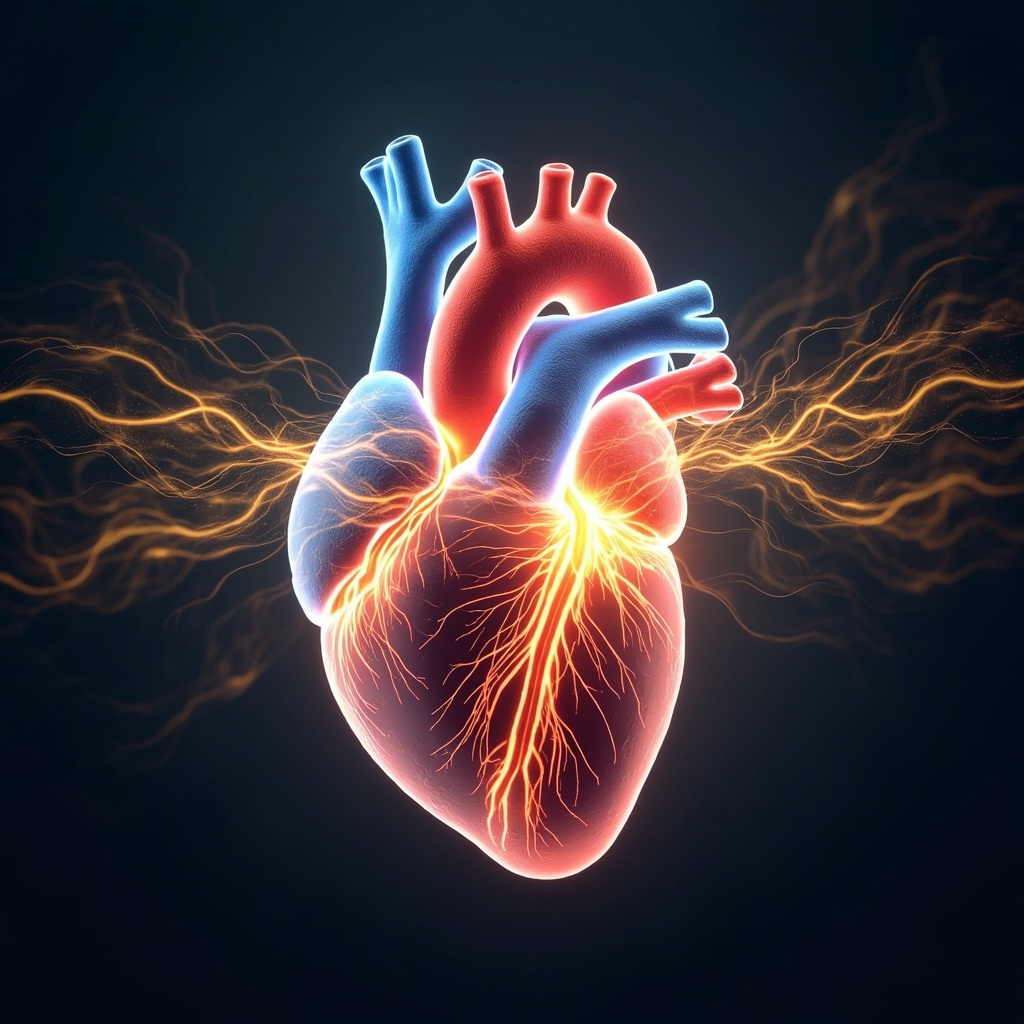
Heart's Quiet Worker
The right ventricle sits in the lower right chamber of your heart. Its main job is to pump blood that has already circulated through the body-blood low on oxygen-up to the lungs. There, it picks up fresh oxygen before heading back to nourish every cell. This steady rhythm keeps your body fueled and alive.
Think of it as the heart's delivery service to the lungs. Without strong action here, oxygen levels drop, and the body struggles. Common signs of strain include swelling in the legs or ankles from fluid buildup, tiredness, and breathlessness during simple tasks.
When Balance Shifts
If the right ventricle weakens, it can lead to right-sided heart issues. Fluid gathers in the body, causing puffiness around the eyes or in the belly. You might feel short of breath, especially when lying down. Over time, this affects daily life, making even walking feel heavy.
In everyday terms, it's like a pump that's clogged or worn out. Blood backs up, pressuring veins and tissues. Early support keeps things flowing smoothly.
Emotional Ties to Survival
Beyond the physical, the right ventricle connects to deeper feelings. It reflects our inner battles with life's demands-feeling crushed by responsibilities, fearing for security, or sensing a threat to basic stability. These emotions, if held long-term, can weigh on the heart.
Picture carrying a heavy load that never lightens: powerlessness creeps in, fear lingers, and rest feels out of reach. Unresolved pressures show up as tension, signaling a need for release.
- Overwhelm: Too many duties pile up, draining energy.
- Survival fears: Doubts about handling challenges.
- Burden: Life's weights press without relief.
TCM Lens: Qi Flow Under Pressure
In Traditional Chinese Medicine (TCM), the heart rules blood flow and houses the spirit, or shen, which brings clarity and joy. The right ventricle plays a key role in this by linking heart (fire element) to lungs (metal element). It moves qi-your vital energy-toward breath and renewal.
Survival struggles tie to imbalances across elements:
- Fire (heart): Joy turns to anxiety under stress.
- Water (kidney): Fear weakens foundational strength.
- Earth (spleen): Worry over-digests resources, creating fatigue.
Smooth qi through the right ventricle eases these. It guards against stagnation, where energy pools and blocks harmony. Yin-yang balance here means rest amid action-pumping without strain.
Meridians like the heart and lung channels influence this area. Blockages mimic emotional holds: tight chest from unexpressed fears.
Calling on the Right Ventricle as a Resource
When strong, the right ventricle aids the whole body. It boosts oxygen supply, lifting vitality. Emotionally, it builds resilience, helping you face pressures with calm.
It supports:
- Lungs: Better gas exchange for clear breath.
- Overall flow: Steady qi to organs and mind.
- Stress handling: Turns overwhelm into steady endurance.
In practice, TCM uses gentle methods to harmonize it-acupoints on heart and lung meridians, herbs to tonify qi and calm shen, like those in formulas for blood nourishment.
Paths to Harmony
Daily steps align with TCM wisdom:
- Breath work: Deep belly breaths link heart and lungs, easing right ventricle load.
- Movement: Gentle walks or qigong promote qi circulation without force.
- Emotional release: Journal burdens or meditate on security to lighten the heart.
- Nourish: Warm foods support spleen qi, reducing worry's drain.
For deeper insight, tune to its natural rhythm. This fosters five elements balance-wood for growth, fire for warmth, earth for centering, metal for release, water for roots.
Supporting the right ventricle restores not just physical pump but inner strength. It reminds us: harmony flows when we meet life's pressures with open qi.
(Word count: 612)
- 1. pmc.ncbi.nlm.nih.gov
- 2. pubmed.ncbi.nlm.nih.gov
- 3. sciencenews.org
- 4. journals.lww.com
- 5. pubmed.ncbi.nlm.nih.gov
- 6. lotusblossomclinic.com
- 7. fountainmagazine.com
- 8. statnews.com
- 9. uchealth.org
- 10. pubmed.ncbi.nlm.nih.gov
- 11. pubmed.ncbi.nlm.nih.gov
- 12. pubmed.ncbi.nlm.nih.gov
- 13. pubmed.ncbi.nlm.nih.gov
- 14. pubmed.ncbi.nlm.nih.gov
- 15. pmc.ncbi.nlm.nih.gov
- 16. frontiersin.org
- 17. restservice.epri.com
- 18. facebook.com
- 19. pubmed.ncbi.nlm.nih.gov
- 20. frontiersin.org
- 21. researchgate.net
- 22. facebook.com
- 23. en.wikipedia.org
- 24. pubmed.ncbi.nlm.nih.gov
- 25. journals.lww.com
- 26. pmc.ncbi.nlm.nih.gov
- 27. facebook.com
- 28. pubmed.ncbi.nlm.nih.gov
- 29. myprivia.com
- 30. montereycellulartherapy.com
- 31. clinicaltrials.gov
- 32. abbott.com
- 33. pmc.ncbi.nlm.nih.gov
- 34. uclahealth.org
- 35. frontiersin.org
Related posts
Glossary
- Energy and mind Structures > oxygen
- Energy and mind Structures > Metal
- Energy and mind Structures > Earth
- Energy and mind Structures > Fire
- Energy and mind Structures > Water
- Energy and mind Structures > Security
- Energy and mind Structures > Stagnation
- Energy and mind Structures > Meridians
- Body zones > right ventricle
- Body zones > lungs
- Body zones > tissues
- Body zones > veins
- Body zones > chest
- Body zones > eyes
- Body zones > face
- Energy and mind Structures > Organs
- TCM Recipes > Circulation: Boost Energy and Warm Your Extremities
- TCM Recipes > Heart Health: Remedies for Anxiety and Palpitations
- TCM Recipes > Lung Support: A TCM Recipe for Respiratory Health
- TCM Recipes > Boost Your Energy: A TCM Recipe for Fatigue Relief
- Energy and mind Structures > vitality
- Energy and mind Structures > Stress
- Stimuli > IGF1, Growth
- Stimuli > AIDS
- Stimuli > Lead
- Stimuli > Harmony
- Stimuli > Blood