


Uterus: TCM Nurturing Home Ally
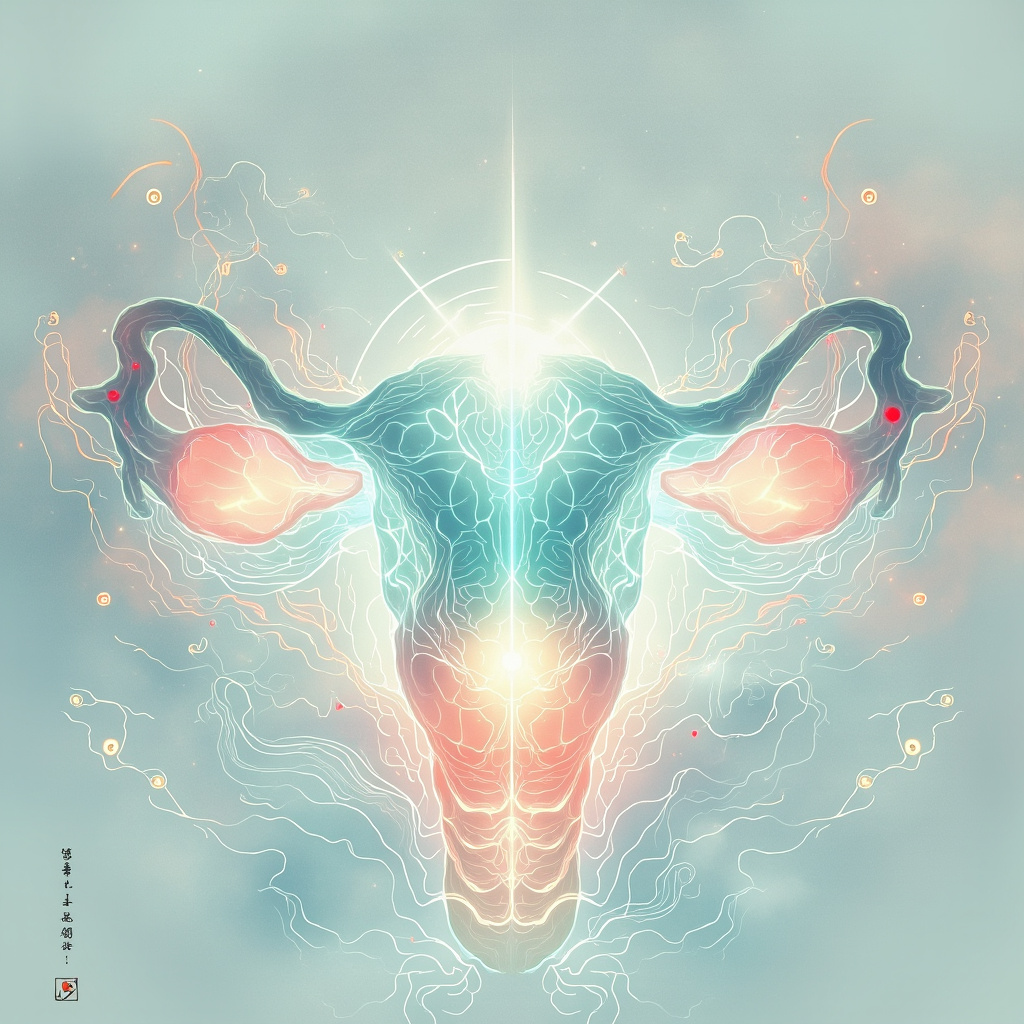
The uterus is a vital organ in women's bodies, a muscular haven in the pelvis that nurtures new life during pregnancy. It contracts powerfully during birth to welcome the baby into the world. When out of balance, it can lead to challenges like irregular periods, ongoing pelvic discomfort, trouble conceiving, or issues during pregnancy such as early loss or premature delivery. Uterus glossary
TCM's View: The Bao Luo
In Traditional Chinese Medicine, we call the uterus the Bao Luo, or "Palace of the Child." It is not just physical but a center of qi flow, where vital energies gather for creation and growth. Governed by key meridians like the Ren Mai (Conception Vessel) and Chong Mai (Penetrating Vessel), it draws kidney essence for fertility, spleen blood for nourishment, and liver qi for smooth movement. These connections tie the uterus to the five elements: water from kidneys for foundational strength, earth from spleen for stability, and wood from liver for flexibility.
A harmonious uterus reflects balanced yin (cool, moist nurturing) and yang (warm, active growth). Blockages in qi or blood stagnation disrupt this, much like a river dammed by debris.
Emotional Ties to the Uterus
TCM teaches that organs hold emotions. The uterus relates to feelings of home, creation, and femininity. It embodies the joy of nurturing and the security of belonging. When stressed, it may signal unresolved issues: fear of motherhood, trauma from past pregnancies, or insecurity about one's creative role. These emotions can manifest as physical tension, creating a cycle where body and mind feed each other.
For example, suppressed anger or worry over family matters might stagnate liver qi, affecting uterine blood flow. Grief or overthinking from spleen weakness can weaken its nourishing power. Addressing these emotional layers is key to true healing.
Detecting Disharmony
Common signs include:
- Irregular or painful periods
- Heavy bleeding or spotting
- Difficulty conceiving or maintaining pregnancy
- Chronic lower abdominal ache
- Emotional symptoms like anxiety about the future, feelings of emptiness, or holding onto past hurts
Through biomarkers, we assess the uterus's energy levels, agitation, qualities like warmth or dampness, and its links to other systems. Low kidney essence might show as weak vitality; liver stagnation as irritability.
Pathways to Harmony
TCM offers gentle ways to restore balance:
- Acupuncture: Points along Ren and Chong meridians warm the palace, improve blood flow, and calm the spirit.
- Herbs: Formulas like Wen Jing Tang warm cold uterus patterns; Xiao Yao San frees liver qi stagnation.
- Qi cultivation: Practices like qigong or tai chi enhance kidney essence and spleen nourishment.
- Diet: Warm foods such as ginger soups, root vegetables, and avoid cold raw items to support yang.
Lifestyle shifts matter too: reduce stress through rest, foster positive family connections, and embrace creative expression.
Uterus as a Resource
When strong, the uterus supports the whole body. It provides energetic nurturing to other organs, bolstering reproductive health, easing menstrual woes, and easing stress. In sessions, we call on it as a resource for emotional steadiness, helping organs like the spleen digest emotions or kidneys store essence.
By honoring the uterus's role in qi, emotions, and creation, we unlock deeper well-being. True health blooms when body, feelings, and energy flow as one.
- 1. cbhenergetics.com
- 2. eureka.patsnap.com
- 3. berkleycenter.com
- 4. drcatherine.com
- 5. instagram.com
- 6. sciencedirect.com
- 7. zhfylcyxzz.cma-cmc.com.cn
- 8. frontiersin.org
- 9. emw.sg
- 10. aldasclinic.com
- 11. podnews.net
- 12. journals.lww.com
- 13. youtube.com
- 14. physio-pedia.com
- 15. mdpi.com
- 16. pmc.ncbi.nlm.nih.gov
- 17. circlebloom.com
- 18. revolutionhealth.org
- 19. pmc.ncbi.nlm.nih.gov
- 20. springfertility.com.au
- 21. webmd.com
- 22. youtube.com
- 23. journals.sagepub.com
- 24. goldenrootacu.com
- 25. sciencedirect.com
- 26. youholistic.com
- 27. pmc.ncbi.nlm.nih.gov
- 28. mdpi.com
- 29. youtube.com
- 30. abmma.com.au
- 31. dovepress.com
- 32. frontiersin.org
- 33. rootedintraditiondenver.com
- 34. huatuoclinic.com
- 35. pmc.ncbi.nlm.nih.gov
- 36. rollingstone.com
- 37. ariaintegrativehealth.com
- 38. theorganicesthetician.com
- 39. naturalsalthealing.com
- 40. repromeda.com
Related posts
Glossary
- Energy and mind Structures > Earth
- Energy and mind Structures > Wood
- Energy and mind Structures > Water
- Energy and mind Structures > Security
- Energy and mind Structures > Grief
- Energy and mind Structures > Stagnation
- Energy and mind Structures > Meridians
- Body zones > uterus
- Body zones > kidneys
- Energy and mind Structures > Organs
- TCM Recipes > Liver Health: A TCM Recipe for Balance and Calm
- TCM Recipes > Kidney Health: Boost Energy and Relieve Back Pain
- TCM Recipes > Spleen Health: Boost Digestion, Appetite, and Energy
- Energy and mind Structures > movement
- Energy and mind Structures > Stress
- Stimuli > IGF1, Growth
- Stimuli > Ginger
- Binaural beats > Bleeding: A Healing Protocol to Stop Bleeding and Heal
- Binaural beats > Trauma Healing: Binaural Beats for Emotional Balance
- Stimuli > Reproductive
- Stimuli > Lead
- Stimuli > Blood
see also...
- Energy and mind Structures > HRV
- Energy and mind Structures > Body zones > kidneys
- Energy and mind Structures > TCM Recipes > Menstrual Pain Relief: Natural Help for Cramps and PMS
- Testimonials > 61% Drop in Nausea and 58% in Headaches from Sound Therapy
- Binaural beats > Stimuli > Variolinum
- Binaural beats > Trauma Healing: Binaural Beats for Emotional Balance