


The Medulla Oblongata: Your Inner Rhythm Anchor
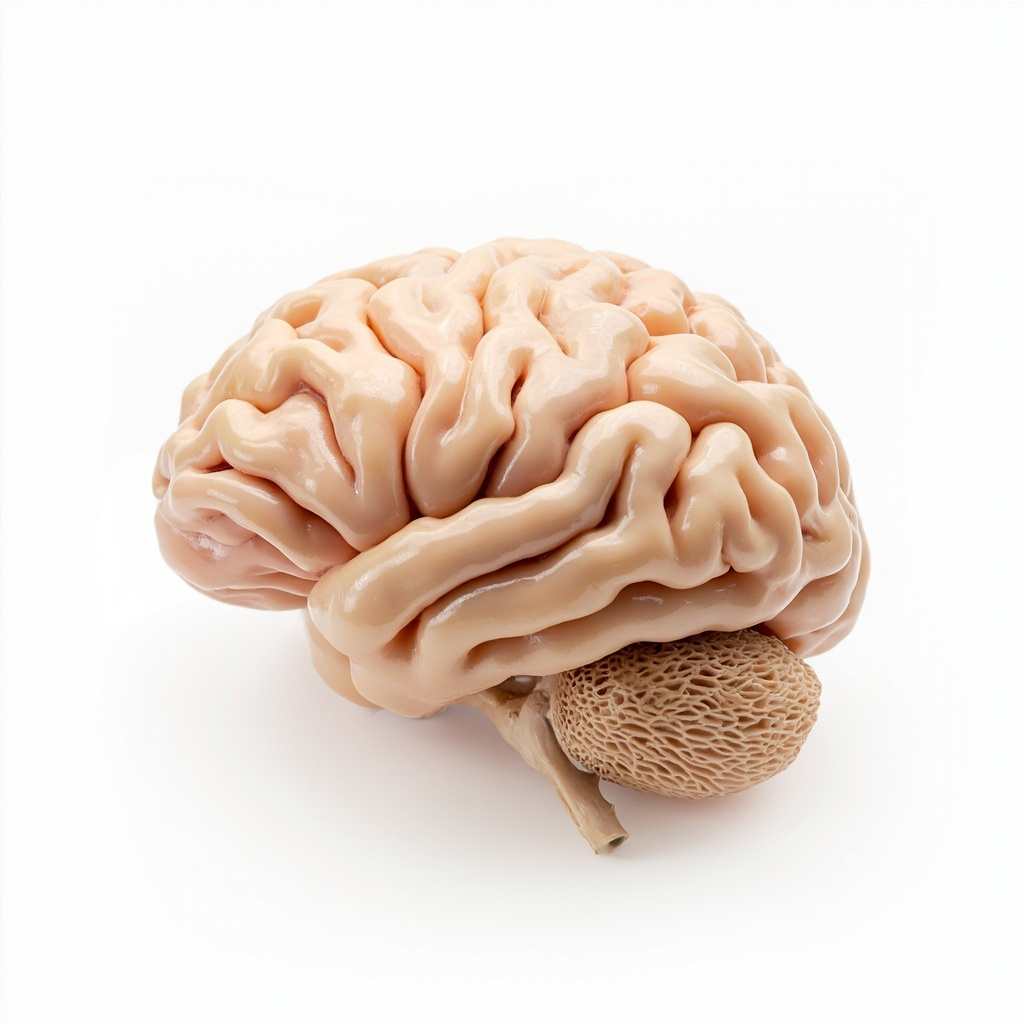
As a practitioner of Traditional Chinese Medicine, I often look at the body not just as a collection of parts, but as a complex orchestra of energy, or qi. While we often focus on the heart or the liver, there is a quiet, profound conductor located at the very base of your brain: the medulla oblongata.
The Bridge Between Body and Being
In anatomical terms, the medulla oblongata is the lower part of the brainstem that connects your brain to your spinal cord. In the language of energy and ancient wisdom, I see it as the primary anchor for your survival and rhythm. It is the silent guardian responsible for the autonomic functions we often take for granted-your heartbeat, your blood pressure, and your breath.
When this center is in balance, your body experiences a state of flow. You feel grounded, your breathing is rhythmic, and your heart rate remains steady even when life presents challenges. However, when the energy here becomes congested or agitated, it can manifest as a sense of unease. You might feel as though you are constantly on high alert, or perhaps you struggle to find a sense of calm even when you are resting.
The Emotional Connection
Traditional Chinese Medicine teaches us that the physical and the emotional are never truly separate. Because the medulla oblongata governs our most fundamental life-supporting processes, it is deeply tied to our sense of safety in the world.
When we hold onto deep-seated feelings of insecurity, or when we carry the weight of unresolved trauma or chronic stress, this vital center can bear the burden. It is as if the body is trying to hold onto life, but the energy is stuck in a loop of survival mode. By acknowledging this connection, we can begin to shift our perspective. Instead of viewing tension as just a physical symptom, we can treat it as a signal that our inner foundation needs nourishment and stabilization.
Tuning Your Inner Rhythm
How do we support such a deep, primal structure? The answer lies in restoring harmony. Just as a musician tunes an instrument, we can use specific tools to encourage the medulla oblongata to return to its natural, relaxed state.
- Breath Awareness: Since this area regulates respiration, conscious, slow breathing is one of the most effective ways to communicate safety to your brainstem. When you slow your breath, you signal to your system that you are safe, allowing the medulla oblongata to shift from a high-alert state to a restorative one.
- Frequency and Resonance: We live in a world of vibrations. By using specific frequencies that resonate with this structure, we can help clear energetic blockages. Think of this as a gentle nudge to the system, reminding it of the optimal, calm frequency it is meant to express.
- Mindful Presence: When we direct our attention to the base of the skull, we can use visualization to imagine a steady, calm flow of energy moving from the brain down into the rest of the body. This practice helps to bridge the gap between our cognitive thoughts and our physical well-being.
Cultivating Stability
Supporting your medulla oblongata is not about fixing a broken part; it is about honoring the structure that allows you to exist in this world. When you prioritize this center, you are essentially investing in your own vitality. You are creating a stronger foundation for all other systems in your body to thrive.
If you find yourself feeling scattered or overwhelmed, remember that you have the capacity to tune yourself. By engaging with your inner rhythm through meditation, focused frequencies, or simply by becoming aware of your breath, you can transform your state from one of survival to one of thriving.
I invite you to consider this structure as your personal ally. When you feel grounded, your heart, your lungs, and your nerves all benefit. You are not just a body; you are a symphony of energy, and your medulla oblongata is the conductor that ensures the music continues to play in perfect harmony.
Related posts
Glossary
- Energy and mind Structures > Focused Coherence; Focus
- Energy and mind Structures > Structure
- Body zones > lungs
- Body zones > nerves
- Body zones > medulla oblongata
- TCM Recipes > Liver Health: A TCM Recipe for Balance and Calm
- TCM Recipes > Heart Health: Remedies for Anxiety and Palpitations
- TCM Recipes > Brain Boost: Clear Fog, Improve Focus & Memory
- Energy and mind Structures > blood pressure
- Energy and mind Structures > Theta; 4.31-6.97 Hz. Light sleep, meditation.
- Stimuli > Hepatitis G virus, Primary
- Stimuli > Moon - Nasal Passage, Breathing, Taste
- Binaural beats > Spinal Cord Support: Enhance Wellness and Emotional Balance
- Stimuli > Harmony
- Stimuli > Blood
see also...
- Energy and mind Structures > Theta; 4.31-6.97 Hz. Light sleep, meditation.
- Energy and mind Structures > Body zones > medulla oblongata
- Energy and mind Structures > TCM Recipes > Boost Energy: A Simple Remedy for Low Energy and Fatigue
- Binaural beats > Stimuli > Variolinum
- Binaural beats > Spinal Cord Support: Enhance Wellness and Emotional Balance
- Testimonials > 61% Drop in Nausea and 58% in Headaches from Sound Therapy