


Tryptophanum: Nutrition for Gut and Mood
Understanding Tryptophanum
Tryptophanum is a biomarker detected in your body's electrical activity. Learn more in our glossary. It relates to an essential amino acid that your body uses for key functions. When in balance, it supports smooth digestion and steady emotions. But shifts in its levels can affect your gut flora and feelings.
Effects on Digestion
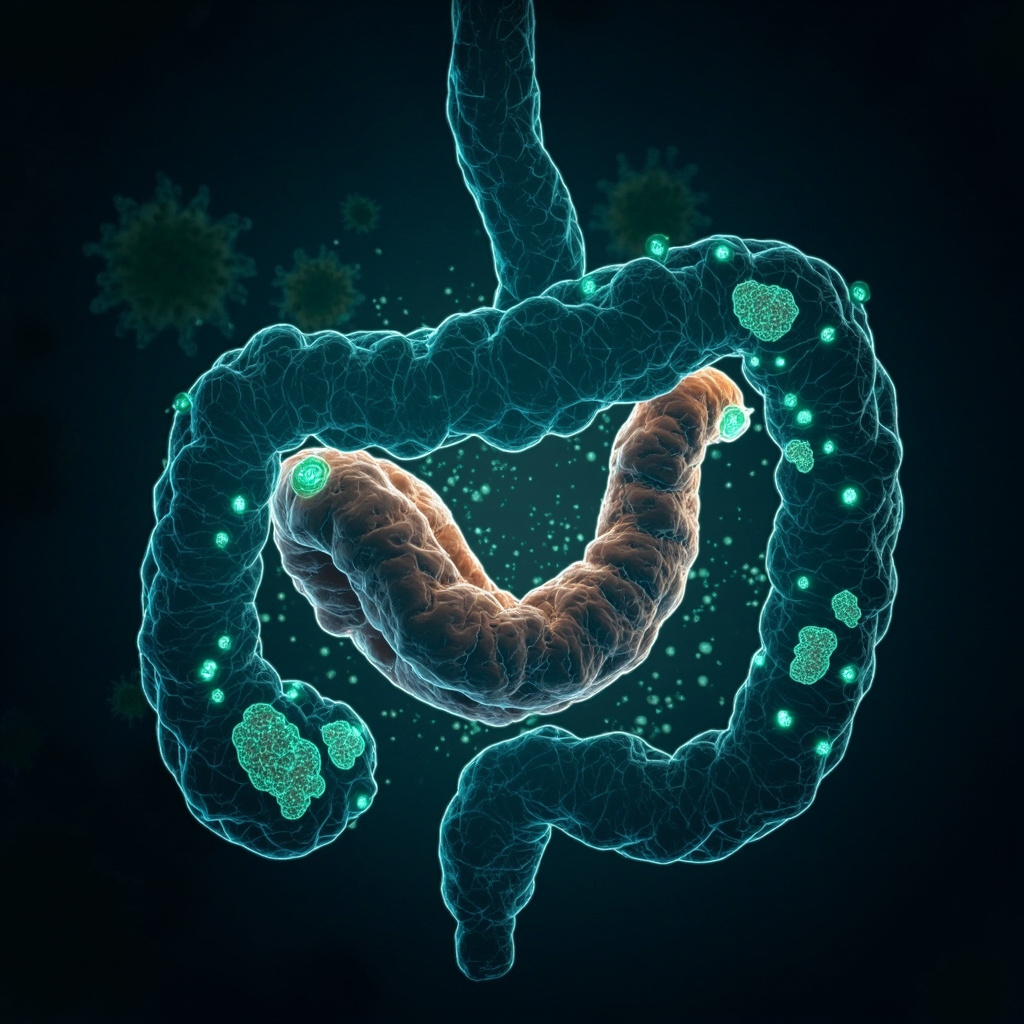
Tryptophanum influences the bacteria in your intestines. Healthy levels keep gut flora stable. An imbalance may disrupt this balance, leading to common issues like diarrhea or abdominal pain. These symptoms signal that your digestive system needs support. Poor gut health also impacts nutrient absorption, leaving you feeling tired or bloated.
Your gut houses trillions of microbes that break down food and produce helpful compounds. When tryptophanum is off, it can tip this ecosystem, slowing digestion and causing discomfort.
Links to Emotions and Mood
Over 90% of serotonin, a chemical that regulates mood, comes from the gut. Tryptophanum fuels serotonin production. Low or unstable levels may lead to anxiety, depression, irritability, or mood swings. You might notice feeling on edge, down, or changeable without clear reason.
Stress worsens this cycle. It alters gut bacteria, which in turn affects serotonin. This gut-brain connection explains why tummy troubles often pair with emotional ups and downs.
Tryptophanum as a Resource
In a healthy state, tryptophanum restores gut balance. It eases diarrhea and pain while boosting serotonin for calmer moods. It acts like a natural ally for digestion and inner peace.
Nutritional Strategies for Balance
Diet plays a central role in supporting tryptophanum. Focus on foods rich in tryptophan and gut-friendly nutrients. Here are practical tips:
Tryptophan-Rich Foods
- Turkey and chicken
- Eggs and cheese
- Pumpkin seeds and sesame seeds
- Salmon and tuna
- Tofu and lentils
- Bananas and oats
These provide the building blocks for serotonin. Pair them with carbs like whole grains to help absorption.
Gut-Supporting Choices
- Yogurt, kefir, and sauerkraut for probiotics
- High-fiber veggies: broccoli, onions, garlic
- Prebiotic foods: apples, garlic, leeks
Key Helpers
Vitamin B6 (in chickpeas, potatoes) and magnesium (in spinach, almonds) aid tryptophan conversion to serotonin.
Avoid sugar and processed foods that harm gut bacteria. Stay hydrated and eat regularly.
Stress and Lifestyle Ties
Chronic stress raises inflammation, hurting gut health. Gentle exercise, sleep, and relaxation help. Track how meals affect your mood and energy.
Personalized nutrition from biomarkers guides the best choices. Small changes yield big results for gut comfort and emotional steadiness.
Recent studies highlight gut microbes' role in mood via tryptophan paths. Nourish your gut to lift your spirits.
- 1. gutmicrobiotaforhealth.com
- 2. nature.com
- 3. journals.sagepub.com
- 4. scientect.org
- 5. frontiersin.org
- 6. pmc.ncbi.nlm.nih.gov
- 7. eatingrecoverycenter.com
- 8. advances.nutrition.org
- 9. frontiersin.org
- 10. mdpi.com
- 11. sciencedirect.com
- 12. pmc.ncbi.nlm.nih.gov
- 13. frontiersin.org
- 14. sciencedirect.com
- 15. science.org
- 16. truehope.com
- 17. pmc.ncbi.nlm.nih.gov
- 18. nature.com
- 19. pmc.ncbi.nlm.nih.gov
- 20. sciencedirect.com
- 21. cas.org
- 22. drlewis.com
- 23. healthline.com
- 24. journals.lww.com
- 25. zoe.com
- 26. cell.com
- 27. mdpi.com
- 28. mdpi.com
- 29. frontiersin.org
- 30. pmc.ncbi.nlm.nih.gov
- 31. pmc.ncbi.nlm.nih.gov
- 32. sciencedirect.com
- 33. nutritional-psychology.org
- 34. sciencedirect.com
- 35. nature.com
- 36. jnmjournal.org
Related posts
Glossary
- Energy and mind Structures > Focused Coherence; Focus
- Energy and mind Structures > Peace
- Energy and mind Structures > Tryptophanum
- TCM Recipes > Digestive Relief: A Simple Guide to Ease Bloating & Indigestion
- TCM Recipes > Herbal Relief: A TCM Approach to Lift Your Mood
- TCM Recipes > Digestive Relief: Remedies for Abdominal Pain & Nausea
- Energy and mind Structures > sleep
- Energy and mind Structures > Digestion
- Energy and mind Structures > Stress
- Stimuli > Serotonin
- Stimuli > Pain
- Binaural beats > Inflammation Relief: Heal Faster with Binaural Beats
- Stimuli > Lead
see also...
- Energy and mind Structures > HRV
- Energy and mind Structures > TCM Recipes > Digestive Relief: Remedies for Abdominal Pain & Nausea
- Testimonials > 61% Drop in Nausea and 58% in Headaches from Sound Therapy
- Binaural beats > Stimuli > Sacral, Zinc Etc
- Binaural beats > Desensitizer: Boost Your Energy and Focus Effectively