


Serratia marcescens: Nutrition for Balance
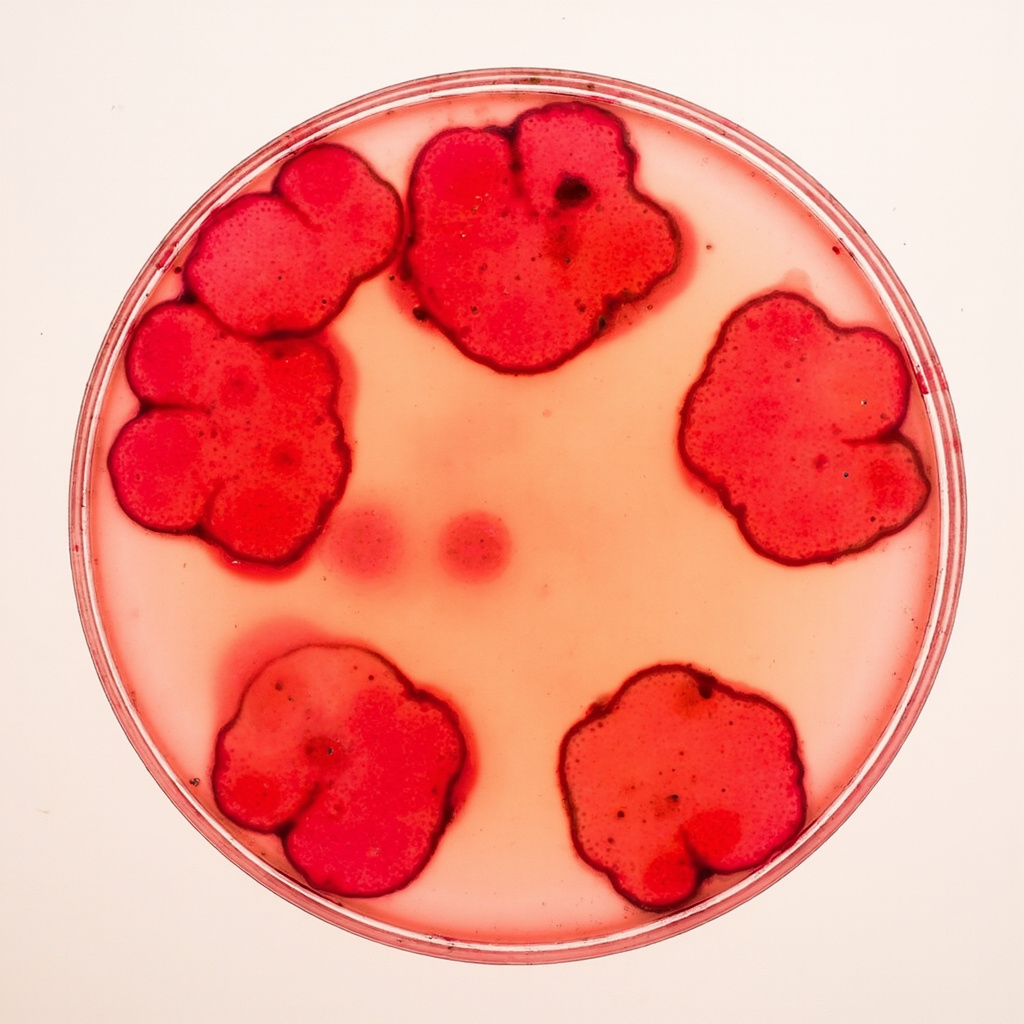
What is Serratia marcescens?
Serratia marcescens is a common bacterium found in soil, water, and even bathrooms where it might leave a pink residue. Most of the time, it lives harmlessly in the environment or our bodies. But in certain cases, it can cause infections, especially in the lungs or urinary tract. In BioCoherence, it shows up as a biomarker linked to energy patterns in the body.
People with weakened immunity, like those in hospitals or with chronic conditions, face higher risks. It produces enzymes that harm tissues, leading to issues like pneumonia or bladder infections.
Common Health Effects
When out of balance, Serratia marcescens may contribute to:
- Respiratory problems: Cough, shortness of breath, chest pain, or pink mucus.
- Urinary issues: Painful urination, frequent urges, or discomfort.
- General symptoms: Fever, chills, fatigue.
These often strike in healthcare settings due to catheters, ventilators, or long antibiotic use. Its resistance to some antibiotics makes management tricky.
On an emotional level, awareness of such infections can stir anxiety or worry about health vulnerabilities. Building resilience through daily habits helps ease these feelings.
Role of Nutrition in Balance
Diet plays a key part in supporting your body's defenses against bacteria like Serratia marcescens. A strong gut microbiome and robust immunity make it harder for opportunists to take hold. Focus on foods that nourish these systems.
Key principles:
- Strengthen immunity with vitamins and minerals.
- Foster good bacteria with probiotics.
- Limit sugars that feed pathogens.
Studies in insects show high-sugar diets worsen bacterial loads, hinting at similar risks for us. Balanced eating supports metabolic health and reduces inflammation.
Nutrients to Prioritize
Incorporate these into meals:
- Vitamin C: Boosts white blood cells. Eat citrus fruits, bell peppers, strawberries.
- Vitamin D: Key for immune regulation. Get from sunlight, fatty fish, or fortified foods.
- Zinc: Fights infections. Found in nuts, seeds, lean meats, legumes.
- Probiotics: Promote gut and urinary health. Yogurt, kefir, sauerkraut, kimchi.
- Cranberries: Help prevent urinary bacteria adhesion. Fresh or unsweetened juice.
Sample daily intake:
- Breakfast: Greek yogurt with berries and nuts.
- Lunch: Salmon salad with leafy greens.
- Snack: Kefir smoothie with orange.
- Dinner: Chicken stir-fry with broccoli and quinoa.
Foods to Limit
- Sugary items: Candy, sodas, processed carbs – they may increase infection risk.
- Excess antibiotics: Only when needed, as they disrupt gut flora.
Stay hydrated and eat fiber-rich foods like vegetables and whole grains to aid detoxification and digestion.
Building Emotional Resilience
Infections can heighten stress, affecting digestion and energy. Nutrients like B vitamins (from whole grains, eggs) and magnesium (spinach, almonds) calm nerves and support mood. Mindful eating routines foster a sense of control and well-being.
When Serratia marcescens acts as a resource in assessments, it highlights areas for proactive care, turning concern into empowerment.
Practical Tips
- Wash hands often, especially after hospital visits.
- Track energy and digestion; note changes.
- Consult a professional for personalized plans based on your health markers.
- Aim for variety – rotate foods for broad nutrient coverage.
By aligning nutrition with body signals, you enhance vitality and harmony. Small changes yield big results in metabolism, immunity, and overall balance.
- 1. beaconbio.org
- 2. reddit.com
- 3. mdpi.com
- 4. mdpi.com
- 5. michaellustgarten.com
- 6. cureus.com
- 7. uniquescientificpublishers.com
- 8. sciencedirect.com
- 9. pmc.ncbi.nlm.nih.gov
- 10. evvy.com
- 11. pmc.ncbi.nlm.nih.gov
- 12. hammer.purdue.edu
- 13. pmc.ncbi.nlm.nih.gov
- 14. pmc.ncbi.nlm.nih.gov
- 15. link.springer.com
- 16. journals.asm.org
- 17. journals.lww.com
- 18. sciencedirect.com
- 19. researchgate.net
- 20. pmc.ncbi.nlm.nih.gov
- 21. pmc.ncbi.nlm.nih.gov
- 22. mdpi.com
- 23. frontiersin.org
- 24. clinicaltrials.gov
- 25. link.springer.com
- 26. onlinelibrary.wiley.com
- 27. journals.asm.org
- 28. uantwerpen.be
- 29. sciencedirect.com
- 30. mdpi.com
- 31. sciencedirect.com
- 32. pmc.ncbi.nlm.nih.gov
- 33. quora.com
- 34. sciencedirect.com
- 35. mdpi.com
- 36. nature.com
- 37. pmc.ncbi.nlm.nih.gov
- 38. gardenoflife.com
- 39. physiciansweekly.com
- 40. sciencedirect.com
- 41. researchgate.net
- 42. amazon.com
- 43. eurosurveillance.org
- 44. pmc.ncbi.nlm.nih.gov
- 45. mdpi.com
- 46. academic.oup.com
- 47. journals.biologists.com
- 48. my.clevelandclinic.org
Related posts
Glossary
- Energy and mind Structures > magnesium
- Energy and mind Structures > Focused Coherence; Focus
- Energy and mind Structures > Regulation
- Energy and mind Structures > Water
- Energy and mind Structures > Immunity
- Energy and mind Structures > Serratia marcescens
- Body zones > lungs
- Body zones > nerves
- Body zones > tissues
- Body zones > chest
- Body zones > face
- TCM Recipes > Cough Relief: A Simple TCM Recipe for Chest Tightness
- TCM Recipes > Boost Your Energy: A TCM Recipe for Fatigue Relief
- Energy and mind Structures > vitality
- Energy and mind Structures > pathogens
- Energy and mind Structures > Digestion
- Energy and mind Structures > Stress
- Stimuli > GSTM1, Detoxification
- Stimuli > FOXP3, Immune Regulation
- Stimuli > Serratia marcescens
- Stimuli > Fever
- Stimuli > Pain
- Binaural beats > Inflammation Relief: Heal Faster with Binaural Beats
- Stimuli > Bladder
- Stimuli > Harmony
- Stimuli > Blood
- Stimuli > GAPDH, Metabolism
see also...
- Energy and mind Structures > HRV
- Energy and mind Structures > Body zones > thoracic
- Energy and mind Structures > TCM Recipes > Tension Headache Relief: A Natural Approach to Ease Stress
- Binaural beats > Stimuli > Chakra Throat
- Binaural beats > Desensitizer: Boost Your Energy and Focus Effectively
- Testimonials > 61% Drop in Nausea and 58% in Headaches from Sound Therapy