


Potassium: Nutrition for Balance
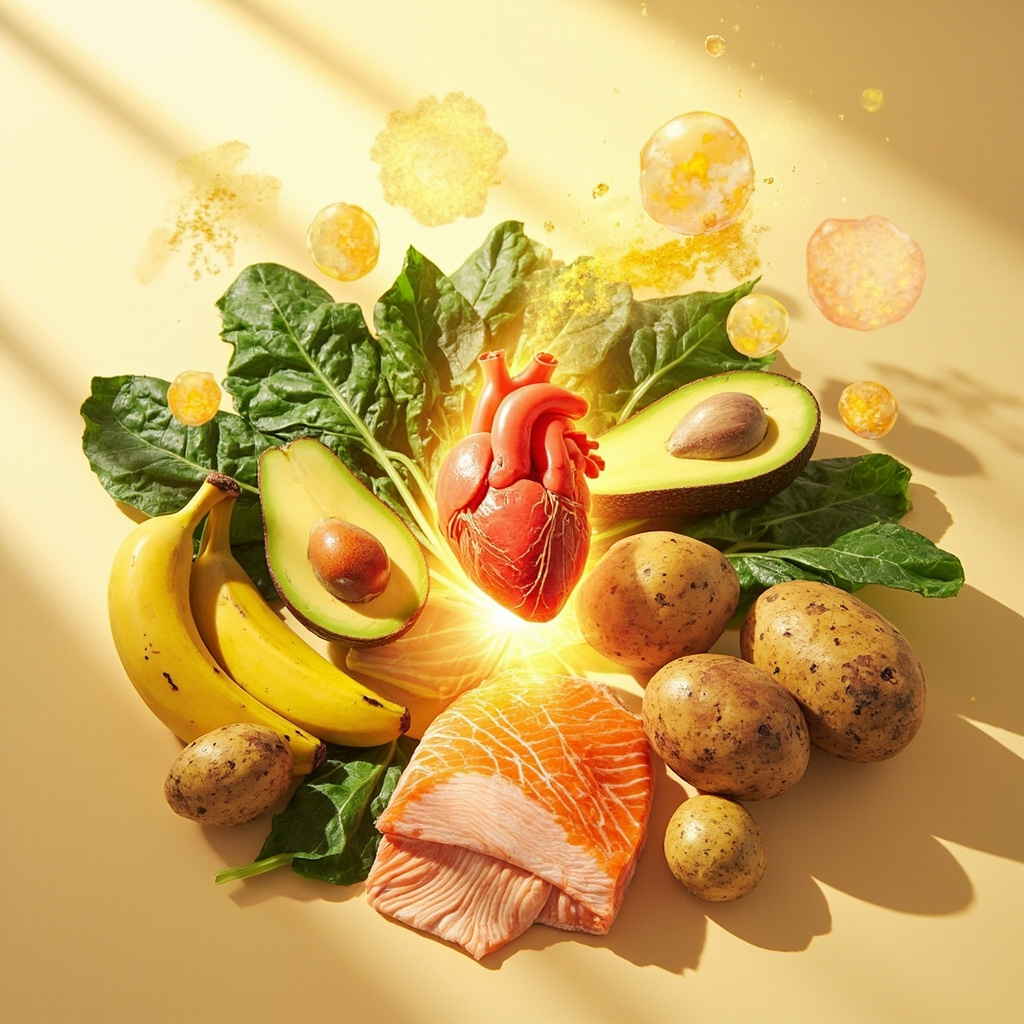
Understanding Potassium
Potassium is an essential mineral present in every cell of your body. It plays a vital role in keeping fluids balanced inside and outside cells, sending nerve signals, and enabling muscles to contract properly, including your heart muscle. Without enough potassium, these processes can falter, leading to fatigue, irregular heartbeat, or muscle weakness.
Your body relies on potassium to counteract sodium's effects, helping maintain healthy blood pressure. It also supports protein building and carbohydrate use for energy. Most people get potassium from food, but modern diets heavy in processed items often fall short.
Key Roles of Potassium in Your Body
- Fluid balance: Potassium works with sodium to regulate water levels in cells, preventing swelling or dehydration.
- Nerve function: It helps nerves transmit signals quickly, supporting clear thinking and quick reflexes.
- Muscle contractions: Essential for smooth movements and steady heartbeats.
- Heart health: Adequate levels lower risks of high blood pressure, stroke, and heart issues.
Recent studies highlight even more benefits. For example, diets rich in potassium may cut heart failure risk by 24 percent and link to lower depression odds through better nerve and mood support.
Signs of Potassium Imbalance
Too little potassium (hypokalemia) can cause:
- Muscle cramps or weakness
- Fatigue and tiredness
- Irregular heartbeat
- Constipation
Excess potassium (hyperkalemia) is rarer in healthy people but may lead to heart rhythm problems. Causes include kidney issues, certain medications, or over-supplementation. Always check with a doctor before supplements.
In assessments like BioCoherence biomarker scans from body electrical activity, potassium levels reveal energy, activity, and connections in the body. This guides personalized nutrition tweaks.
Foods Packed with Potassium
Aim for 3,500 to 4,700 mg daily from whole foods. Top sources include:
Fruits:
- Bananas (400 mg each)
- Avocados (nearly 1,000 mg per fruit)
- Oranges and apricots
Vegetables:
- Spinach and sweet potatoes (800+ mg per serving)
- Broccoli and beets
Proteins:
- Salmon and yogurt (500 mg per serving)
- Beans and lentils
Other:
- Potatoes with skin
- Nuts like almonds
Pair these with a low-sodium diet for best results.
Practical Nutrition Tips for Balance
- Eat a rainbow: Fill half your plate with fruits and veggies daily.
- Cook smart: Baking or boiling retains potassium; avoid over-processing.
- Balance electrolytes: Combine potassium foods with magnesium-rich ones like leafy greens for synergy.
- Stay hydrated: Water helps potassium move through cells efficiently.
- Monitor stress: High stress depletes minerals; include relaxation practices.
For gut health, potassium supports digestion by aiding enzyme work and microbiome balance. If inflammation or metabolism issues show in biomarkers, boost potassium to ease stress on digestion.
Potassium as a Resource
When balanced, potassium acts as a resource for fluid harmony, sharp nerve transmission, strong muscle work, organ wellness, and steady emotions. It fosters vitality and calm under pressure.
Incorporate these steps for lasting energy and health. Small dietary shifts yield big rewards.
- 1. foodandnutritionresearch.net
- 2. health.harvard.edu
- 3. healthdirect.gov.au
- 4. medicalnewstoday.com
- 5. health.clevelandclinic.org
- 6. advances.nutrition.org
- 7. mdpi.com
- 8. nutritionsource.hsph.harvard.edu
- 9. health.harvard.edu
- 10. blog.providence.org
- 11. theguardian.com
- 12. pmc.ncbi.nlm.nih.gov
- 13. massivebio.com
- 14. pmc.ncbi.nlm.nih.gov
- 15. ods.od.nih.gov
- 16. sciencedirect.com
- 17. traceminerals.com
- 18. lpi.oregonstate.edu
- 19. rnareset.com
- 20. naturemade.com
- 21. news-medical.net
- 22. healthline.com
- 23. webmd.com
- 24. facebook.com
Related posts
Glossary
- Energy and mind Structures > potassium
- Energy and mind Structures > sodium
- Energy and mind Structures > Water
- Energy and mind Structures > Wellness
- Body zones > muscles
- Body zones > nerves
- TCM Recipes > Stress Relief for High Blood Pressure: A TCM Approach
- TCM Recipes > Kidney Health: Boost Energy and Relieve Back Pain
- TCM Recipes > Heart Health: Remedies for Anxiety and Palpitations
- TCM Recipes > Herbal Relief: A TCM Approach to Lift Your Mood
- TCM Recipes > Boost Your Energy: A TCM Recipe for Fatigue Relief
- Energy and mind Structures > vitality
- Energy and mind Structures > blood pressure
- Energy and mind Structures > fluids
- Energy and mind Structures > Digestion
- Energy and mind Structures > Stress
- Binaural beats > Inflammation Relief: Heal Faster with Binaural Beats
- Stimuli > Stroke
- Stimuli > Lead
- Stimuli > Harmony
- Stimuli > Blood
- Stimuli > GAPDH, Metabolism
see also...
- Energy and mind Structures > HRV
- Energy and mind Structures > Body zones > plasma
- Energy and mind Structures > TCM Recipes > Tension Headache Relief: A Natural Approach to Ease Stress
- Testimonials > 61% Drop in Nausea and 58% in Headaches from Sound Therapy
- Binaural beats > Desensitizer: Boost Your Energy and Focus Effectively
- Binaural beats > Stimuli > Chakra Throat