


Nickel: Nutrition for Balance
Understanding Nickel as a Trace Mineral
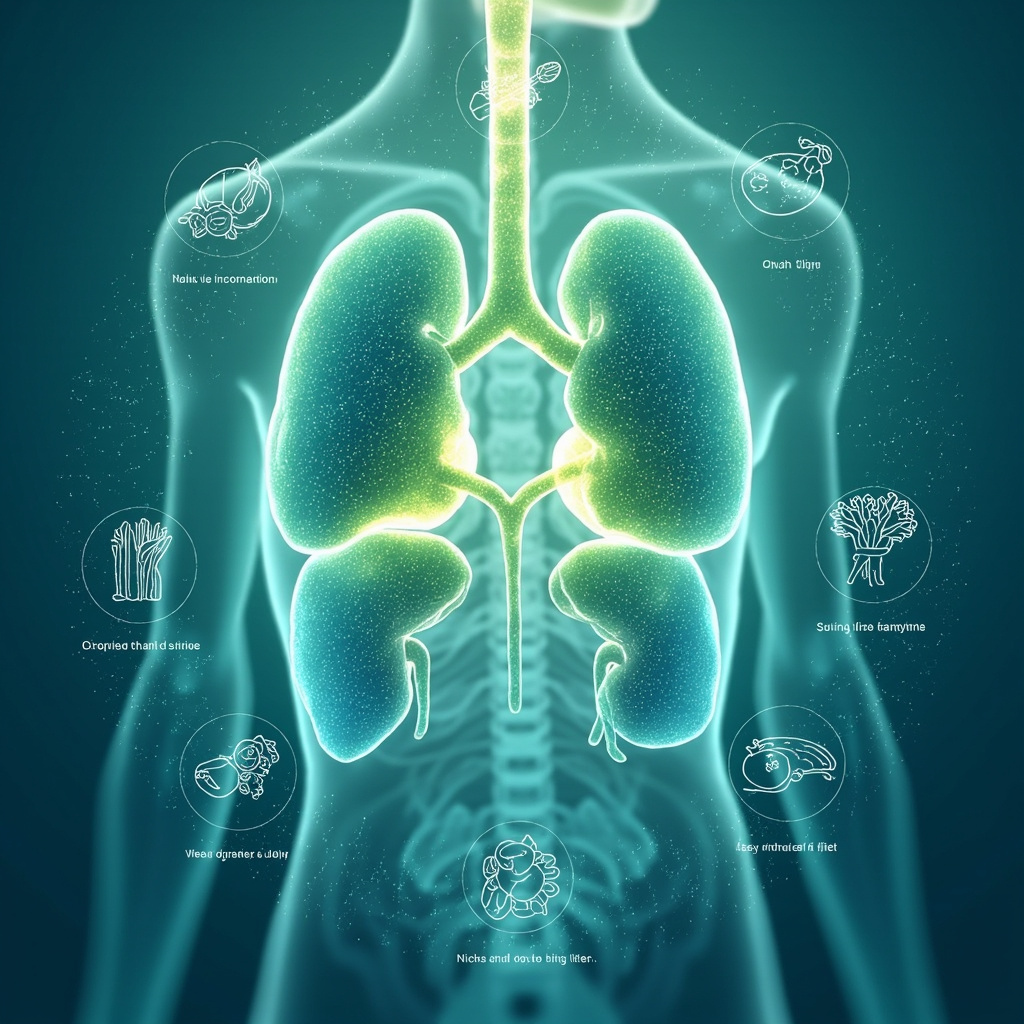
Nickel exists in tiny amounts in our bodies, mainly in the liver, kidneys, and lungs. It helps certain enzymes work properly, which are like tiny workers that speed up chemical reactions needed for health. These enzymes support processes such as breaking down food and maintaining balance in organs. For more on its role, see the glossary entry.
When nickel levels are right, it can act as a resource for smooth energy flow, better organ function, and even emotional steadiness. But too much exposure, often from diet or environment, can lead to issues like skin rashes or breathing discomfort.
Why Balance Matters
Our bodies need just trace levels of nickel – not too little, not too much. Animal studies show low nickel might slow growth or affect senses like smell and taste, though human deficiencies are rare. More common are problems from excess, especially for those sensitive to it.
About 10-20% of people have nickel sensitivity, where it causes allergic contact dermatitis – an itchy rash from jewelry or coins. In food, high nickel can spark systemic reactions like stomach upset, headaches, or worsened inflammation. Iron-deficient folks absorb more nickel, as the two compete for uptake.
Recent rules in Europe set limits on nickel in foods like nuts and grains to protect health, highlighting the need for mindful eating.
Foods and Nickel Levels
Nickel sneaks into many everyday foods through soil. Here's a simple guide:
High-Nickel Foods (Limit if Sensitive)
- Chocolate and cocoa
- Nuts (almonds, peanuts, hazelnuts)
- Legumes (soybeans, lentils, chickpeas)
- Whole grains (oats, whole wheat, granola)
- Seeds (sunflower, sesame)
- Tea and some vegetables like spinach
Moderate or Low-Nickel Choices
- Fresh fruits (apples, pears, bananas)
- Lean meats, fish, eggs
- White rice, potatoes
- Dairy (milk, yogurt, cheese)
- Most fresh veggies (lettuce, carrots)
A low-nickel diet for 4-8 weeks has helped over 60% of sensitive people reduce rashes and gut issues in studies.
Nutrition Tips for Balance
Tailor your plate based on needs:
-
Boost Absorption Control: Pair meals with iron-rich foods (red meat, spinach) and vitamin C (citrus, peppers) to limit nickel uptake if you're sensitive.
-
Support Detox Pathways: Include liver-friendly foods like beets, garlic, and cruciferous veggies (broccoli) to help clear excess minerals.
-
Gut Health Focus: Probiotic foods (yogurt, kefir) and fiber from low-nickel sources aid digestion, where nickel can irritate.
-
Stress and Metabolism Link: Nickel ties to glucose handling and stress responses. Steady blood sugar with balanced meals: protein + fats + low-glycemic carbs.
Sample Day for Balance:
- Breakfast: Oatmeal alternative – eggs with potatoes and fruit.
- Lunch: Grilled chicken salad with lettuce, carrots, olive oil.
- Snack: Apple with cheese.
- Dinner: Fish, white rice, steamed veggies.
Supplements rarely need nickel, as diet covers traces. Test for sensitivities via patch tests or biomarkers before changes.
Nickel as a Positive Force
In harmony, nickel aids enzymatic processes for energy metabolism and iron use, potentially easing fatigue or inflammation. It supports meridian-like flows in traditional views, linking to vitality and calm emotions.
Track your response: Notice energy, skin, or digestion shifts with food tweaks. Consult a pro for personalized plans, especially with gut or stress markers.
Balancing nickel through nutrition fosters resilience, aligning body systems for peak health.
- 1. pmc.ncbi.nlm.nih.gov
- 2. pubmed.ncbi.nlm.nih.gov
- 3. pmc.ncbi.nlm.nih.gov
- 4. pubs.rsc.org
- 5. traceminerals.com
- 6. webmd.com
- 7. researchgate.net
- 8. instagram.com
- 9. pmc.ncbi.nlm.nih.gov
- 10. lilyandloaf.com
- 11. pubmed.ncbi.nlm.nih.gov
- 12. doctorkatta.com
- 13. pmc.ncbi.nlm.nih.gov
- 14. gba-group.com
- 15. pmc.ncbi.nlm.nih.gov
- 16. journalofmetabolichealth.org
- 17. researchgate.net
- 18. link.springer.com
- 19. store.mayoclinic.com
- 20. nickelinstitute.org
- 21. sciencedirect.com
- 22. digicomply.com
- 23. journals.sagepub.com
- 24. pmc.ncbi.nlm.nih.gov
- 25. nutritionsource.hsph.harvard.edu
- 26. eurofins.de
- 27. webmd.com
- 28. pubmed.ncbi.nlm.nih.gov
- 29. nickelinstitute.org
- 30. rupahealth.com
- 31. eatrightpro.org
- 32. pubmed.ncbi.nlm.nih.gov
- 33. food.actapol.net
- 34. independent.com.mt
- 35. food-safety.com
- 36. hero.epa.gov
- 37. rxlist.com
- 38. youtube.com
- 39. everydayhealth.com
- 40. pubmed.ncbi.nlm.nih.gov
- 41. pmc.ncbi.nlm.nih.gov
- 42. pubmed.ncbi.nlm.nih.gov
- 43. ncbi.nlm.nih.gov
- 44. jn.nutrition.org
- 45. cancer.gov
- 46. m.facebook.com
- 47. stamilyte.com.au
Related posts
Glossary
- Energy and mind Structures > iron
- Energy and mind Structures > nickel
- Body zones > senses
- Energy and mind Structures > Organs
- TCM Recipes > Skin Health: Remedies for Acne and Eczema
- TCM Recipes > Stomach Health: Natural Remedies for Digestive Issues
- TCM Recipes > Boost Your Energy: A TCM Recipe for Fatigue Relief
- Energy and mind Structures > vitality
- Energy and mind Structures > Digestion
- Energy and mind Structures > Bodhaka; Taste
- Energy and mind Structures > Stress
- Stimuli > IGF1, Growth
- Stimuli > Adenovirus type 4, human
- Stimuli > Moon - Nasal Passage, Breathing, Taste
- Stimuli > AIDS
- Binaural beats > Inflammation Relief: Heal Faster with Binaural Beats
- Stimuli > Lead
- Stimuli > Harmony
- Stimuli > Blood
- Stimuli > GAPDH, Metabolism