


Cortisol: Nutrition for Stress Balance
What is Cortisol?
Cortisol is a key hormone produced by the adrenal glands, small organs sitting atop your kidneys. Often known as the "stress hormone," it springs into action during challenging times to help your body cope. In BioCoherence, cortisol appears as a biomarker from electrical activity recordings, showing its energy, activity levels, and connections to other body parts.
When balanced, cortisol keeps things running smoothly. But ongoing stress can throw it off, leading to fatigue or other issues.
Roles in Your Body
Cortisol does more than handle stress. It plays vital parts in:
- Metabolism: Helps turn food into energy and regulates blood sugar.
- Blood pressure: Supports steady circulation under pressure.
- Inflammation control: Calms swelling to aid healing.
- Immune support: Fine-tunes defenses without overreacting.
- Memory: Aids in forming and recalling thoughts.
As a resource, cortisol stabilizes during tough moments, maintaining blood sugar and immune balance to build resilience.
Signs of Imbalance
Too much cortisol over time can cause:
- Weight gain, especially around the belly.
- High blood pressure.
- Muscle weakness and fatigue.
- Sleep troubles.
Too little leads to extreme tiredness, low blood pressure, and weakened immunity. Conditions like Cushing's syndrome (high levels) or Addison's disease (low) highlight severe cases.
Emotional Connections
Cortisol ties closely to feelings. High levels often link to chronic stress, fear, or overwhelm-like constant pressure or threats. This can create a cycle: stress raises cortisol, which fuels anxiety or mood dips. Unresolved emotions may weaken adrenals, causing exhaustion or poor immunity.
Balancing it supports emotional steadiness, helping you face challenges with clarity.
Nutrition to Nourish Cortisol Balance
Diet shapes cortisol rhythms. Key nutrients like magnesium, omega-3 fats, vitamin C, and probiotics help regulate levels. Focus on whole foods to ease stress responses and boost energy.
Top Foods for Support
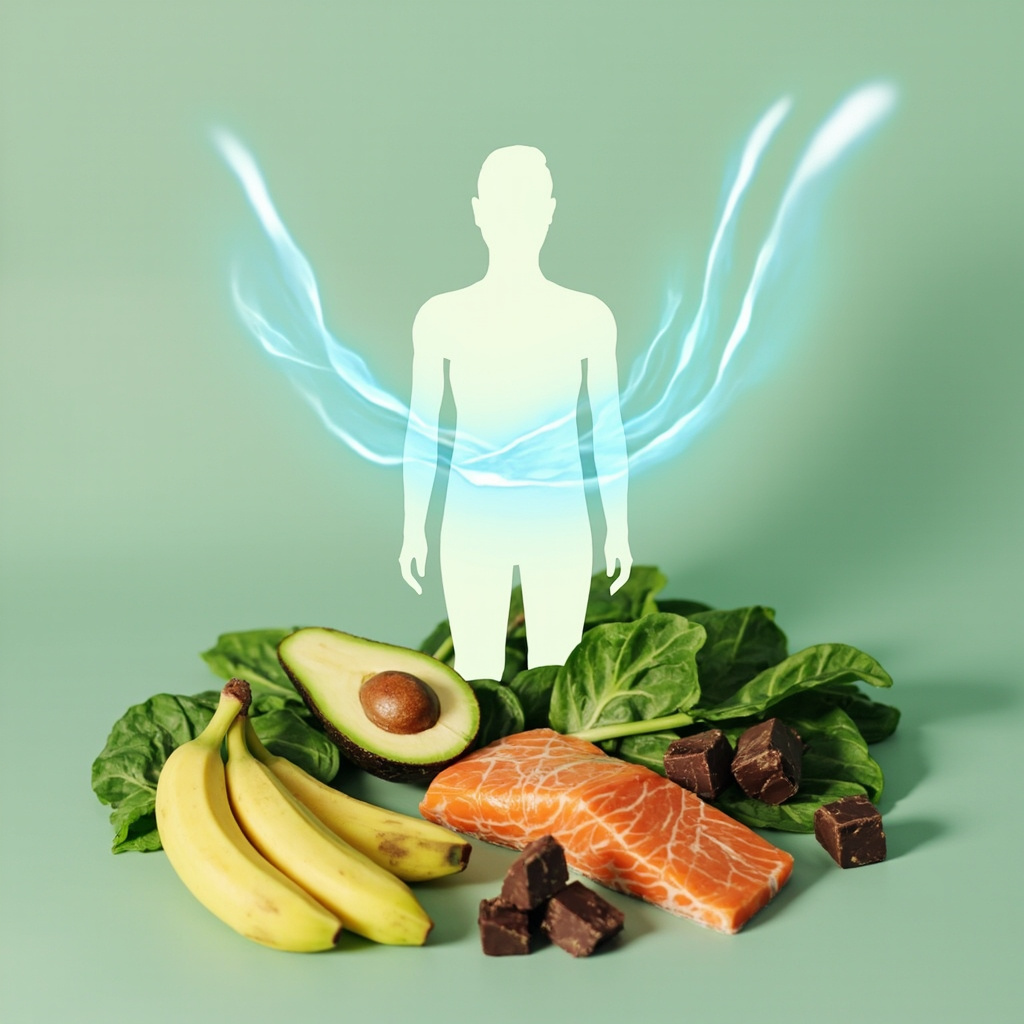
- Leafy greens (spinach, kale): Packed with magnesium to calm nerves and lower cortisol spikes.
- Fatty fish (salmon, mackerel): Omega-3s fight inflammation and steady hormone release.
- Avocados: Magnesium, fiber, and healthy fats for stress relief and gut health.
- Bananas: Potassium and B vitamins aid metabolism and mood.
- Dark chocolate (70%+ cocoa): Flavonoids buffer stress reactivity.
- Fermented foods (yogurt, kimchi): Probiotics link gut health to lower cortisol.
- Nuts and seeds (almonds, pumpkin seeds): Magnesium and zinc for resilience.
Avoid excess caffeine, sugar, and processed foods-they can spike cortisol.
Practical Tips
- Eat balanced meals: Pair protein, fats, and fiber to steady blood sugar.
- Time your eats: Regular patterns match natural cortisol dips.
- Stay hydrated: Water supports adrenal function.
Recent studies show anti-inflammatory diets rich in these foods promote healthier cortisol patterns, improving vitality and stress handling.
By choosing these nutrients, you empower your body-and cortisol-to thrive amid life's demands.
- 1. pmc.ncbi.nlm.nih.gov
- 2. stamfordhealth.org
- 3. youtube.com
- 4. nutritionsource.hsph.harvard.edu
- 5. osfhealthcare.org
- 6. vogue.com
- 7. pubmed.ncbi.nlm.nih.gov
- 8. pubmed.ncbi.nlm.nih.gov
- 9. pmc.ncbi.nlm.nih.gov
- 10. health.yahoo.com
- 11. pmc.ncbi.nlm.nih.gov
- 12. uab.edu
- 13. bswhealth.com
- 14. rmccares.org
- 15. healthline.com
- 16. maria.stanford.edu
- 17. brownhealth.org
- 18. goodrx.com
- 19. pmc.ncbi.nlm.nih.gov
- 20. joinmidi.com
- 21. health.com
- 22. bbc.com
- 23. onpoint-nutrition.com
- 24. pmc.ncbi.nlm.nih.gov
- 25. healthline.com
- 26. hindustantimes.com
- 27. healthnet.com
- 28. instagram.com
- 29. cms.illinois.gov
- 30. mdanderson.org
- 31. goodrx.com
- 32. healthline.com
Related posts
Glossary
- Energy and mind Structures > magnesium
- Energy and mind Structures > potassium
- Energy and mind Structures > Focused Coherence; Focus
- Energy and mind Structures > Water
- Energy and mind Structures > Exhaustion
- Energy and mind Structures > Immunity
- Body zones > cortisol
- Body zones > kidneys
- Body zones > nerves
- Body zones > face
- Energy and mind Structures > Organs
- TCM Recipes > Stress Relief for High Blood Pressure: A TCM Approach
- TCM Recipes > Boost Energy: A Simple Remedy for Low Energy and Fatigue
- TCM Recipes > Circulation: Boost Energy and Warm Your Extremities
- TCM Recipes > Adrenal Support: Remedies for Fatigue and Stress
- TCM Recipes > Boost Your Energy: A TCM Recipe for Fatigue Relief
- Energy and mind Structures > sleep
- Energy and mind Structures > vitality
- Energy and mind Structures > blood pressure
- Energy and mind Structures > Stress
- Stimuli > Cortisol
- Stimuli > AIDS
- Stimuli > Addison's Disease
- Binaural beats > Inflammation Relief: Heal Faster with Binaural Beats
- Stimuli > Zinc
- Stimuli > Blood
- Stimuli > GAPDH, Metabolism
see also...
- Energy and mind Structures > HRV
- Energy and mind Structures > Body zones > thoracic
- Energy and mind Structures > TCM Recipes > Tension Headache Relief: A Natural Approach to Ease Stress
- Testimonials > 61% Drop in Nausea and 58% in Headaches from Sound Therapy
- Binaural beats > Stimuli > Chakra Throat
- Binaural beats > Desensitizer: Boost Your Energy and Focus Effectively