


Parathyroid Glands: Nutrition for Calm Strength
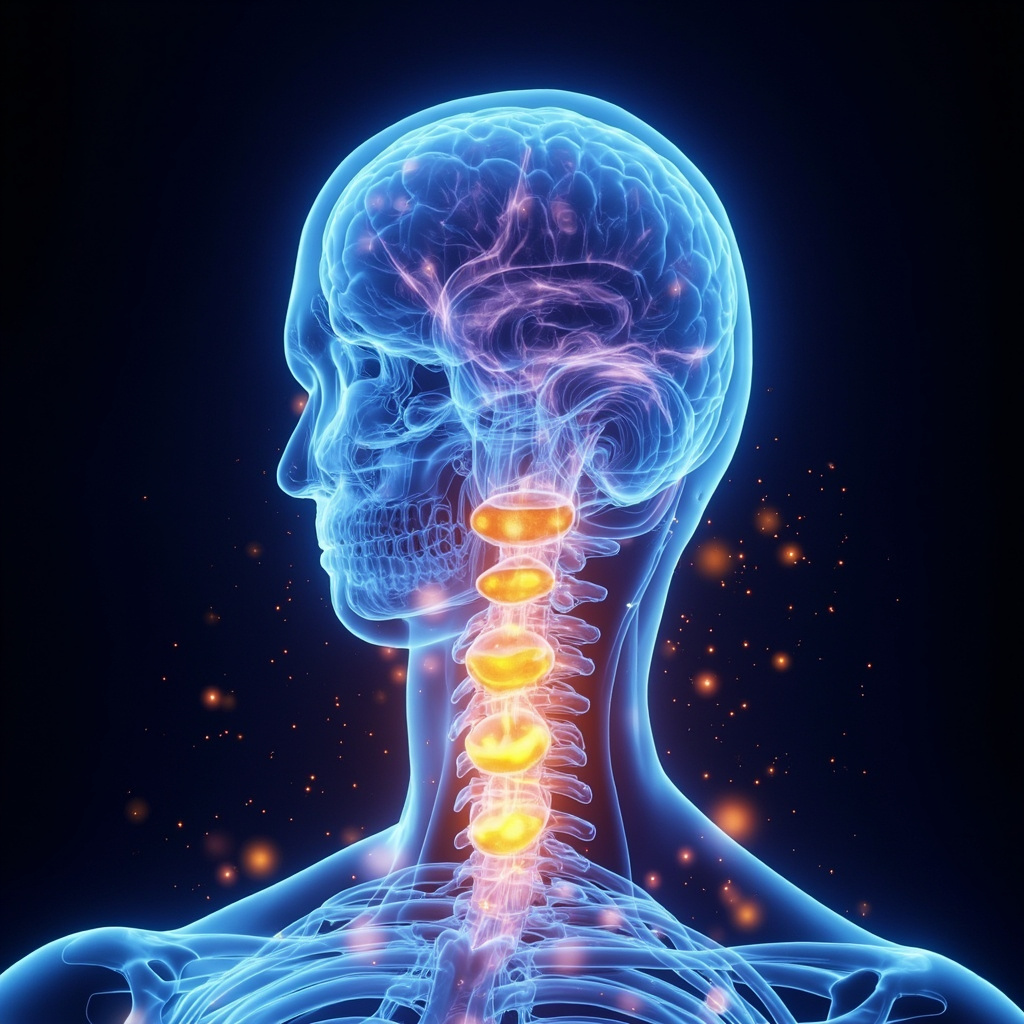
Nestled behind the thyroid gland in your neck sit four small parathyroid glands. No bigger than peas, they quietly manage your body's calcium supply, ensuring bones stay strong, muscles work smoothly, and nerves fire clearly. For more details, see the parathyroid entry.
Their Vital Role
These glands release parathyroid hormone (PTH) when calcium levels dip. PTH signals bones to release calcium stores, ramps up absorption from your meals in the gut, and tells kidneys to hold onto calcium while flushing excess phosphorus. This fine-tuned process keeps blood calcium steady, around 8.5 to 10.5 mg/dL-crucial for heartbeats, thoughts, and movement.
When balanced, parathyroid glands act as a resource, stabilizing calcium to aid muscle function, nerve signals, and bone health. This supports overall calm and resilience.
What Happens When Out of Balance?
Too much PTH (hyperparathyroidism) often stems from a benign tumor. High calcium floods the blood, pulling from bones and leading to:
Worse, excess calcium disrupts brain cells, slowing signals. You might feel brain fog, struggle with words, forget simple things, or battle irritability, anxiety, depression, and poor sleep-feeling exhausted yet wired.
Too little PTH (hypoparathyroidism) drops calcium, causing:
- Muscle cramps and spasms
- Tingling in fingers or lips
- Confusion or seizures in extremes
Links to Emotions and Stress
Parathyroid health ties to feelings of self-devaluation-that nagging sense of failing to control your world or maintain stability. Unresolved stress or inadequacy conflicts may strain these glands. High calcium from imbalance mimics chronic stress: mood swings, dread, emotional flatness. Recent reports note patients feel 'unlike themselves' until addressed.
Stress also hampers digestion, reducing nutrient uptake for calcium balance. Breaking this cycle starts with diet.
Nutrition to Nourish Parathyroid
Support these glands through targeted foods. Aim for steady calcium intake without overload, paired with helpers like vitamin D and magnesium.
Essential Nutrients
- Calcium (1,200–2,000 mg daily): Builds bones, calms nerves.
- Vitamin D: Boosts gut absorption; get from sun or food.
- Magnesium: Aids PTH release, eases muscles.
- Vitamin K2: Directs calcium to bones, not arteries.
Foods to Embrace
- Leafy greens (kale, broccoli): Calcium and K.
- Dairy or fortified plant milks: Easy calcium.
- Fatty fish (salmon): Vitamin D and omega-3s.
- Nuts, seeds (almonds, pumpkin): Magnesium.
- Eggs, fermented foods: Gut-friendly support.
Foods to Limit
- Sodas and processed snacks: High phosphorus blocks calcium.
- Excess salt: Leaches calcium via urine.
- Oxalate-rich (some spinach): Pair wisely, not with calcium meals.
Sample day:
- Breakfast: Yogurt topped with almonds and berries.
- Lunch: Salmon over kale salad with olive oil.
- Snack: Cheese or fortified orange juice.
- Dinner: Chicken stir-fry with broccoli and quinoa.
Hydrate well and eat whole foods to aid detox and stress relief.
Lifestyle Boosts
Gentle exercise like walking aids calcium use. Manage stress with deep breaths-vital since tension affects metabolism and gut health. Track how foods shift your energy and mood.
Balanced parathyroid fosters not just physical strength but emotional steadiness, helping you feel capable and in control. Small dietary tweaks yield big harmony.
- 1. nlpbi.com
- 2. webmd.com
- 3. parathyroid.com
- 4. parathyroiduk.org
- 5. hyperparathyroidmd.com
- 6. pmc.ncbi.nlm.nih.gov
- 7. uclahealth.org
- 8. resources.healthgrades.com
- 9. webmd.com
- 10. health.harvard.edu
- 11. azbigmedia.com
- 12. kidney.org
- 13. medium.com
- 14. henryford.com
- 15. pmc.ncbi.nlm.nih.gov
- 16. brucelipton.com
- 17. int.livhospital.com
- 18. nesaz.com
- 19. medicalnewstoday.com
- 20. pubmed.ncbi.nlm.nih.gov
- 21. health.harvard.edu
- 22. parathyroiduk.org
- 23. pubmed.ncbi.nlm.nih.gov
- 24. parathyroid.com
- 25. lpi.oregonstate.edu
- 26. columbiasurgery.org
- 27. instagram.com
- 28. melioguide.com
- 29. facebook.com
- 30. pmc.ncbi.nlm.nih.gov
- 31. lukecoutinho.com
- 32. facebook.com
- 33. pmc.ncbi.nlm.nih.gov
- 34. my.clevelandclinic.org
- 35. kidney.org.au
Related posts
Glossary
- Energy and mind Structures > magnesium
- Energy and mind Structures > calcium
- Energy and mind Structures > phosphorus
- Energy and mind Structures > Fire
- Body zones > glands
- Body zones > parathyroid
- Body zones > bones
- Body zones > kidneys
- Body zones > muscles
- Body zones > nerves
- Body zones > Arteries
- TCM Recipes > Thyroid Support: Natural Remedies for Fatigue & Weight
- TCM Recipes > Kidney Health: Boost Energy and Relieve Back Pain
- TCM Recipes > Brain Boost: Clear Fog, Improve Focus & Memory
- TCM Recipes > Herbal Relief: A TCM Approach to Lift Your Mood
- TCM Recipes > Boost Your Energy: A TCM Recipe for Fatigue Relief
- Energy and mind Structures > movement
- Energy and mind Structures > Digestion
- Energy and mind Structures > Stress
- Stimuli > DMD, Muscle Function
- Stimuli > AIDS
- Stimuli > Seizures
- Stimuli > Bone
- Stimuli > Harmony
- Stimuli > Blood
- Stimuli > Vitamin D
- Stimuli > GAPDH, Metabolism