


Stomach: Nutrition for Digestion and Calm
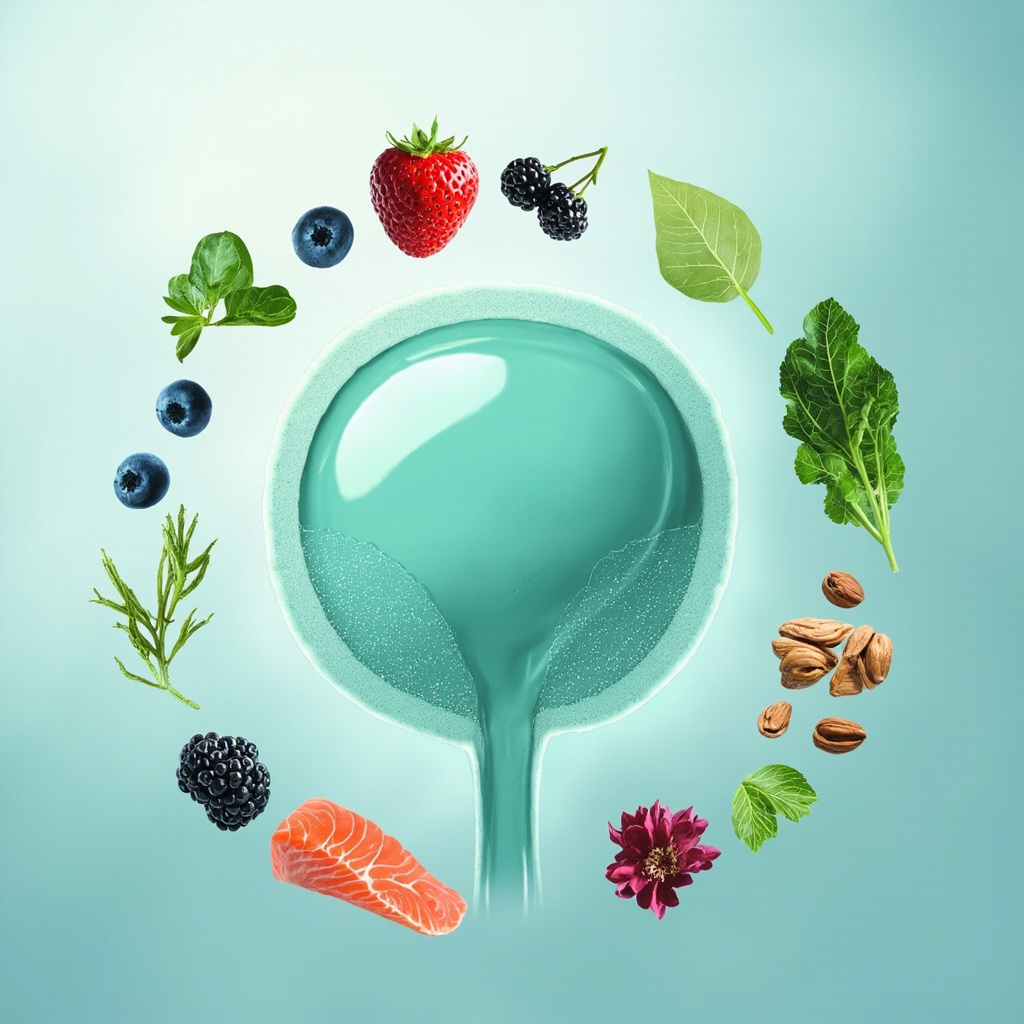
The Stomach's Vital Role in Digestion
The stomach is a muscular sac in your upper belly, under the ribs. It receives food from your mouth, mixes it with strong acids and enzymes to break it down. This turns food into a liquid called chyme, which moves slowly to the small intestine for nutrient uptake. Learn more about the stomach.
A healthy stomach handles meals smoothly, aiding energy and nutrient supply to your body. When it struggles, you may face acid reflux, where acids rise up causing heartburn; ulcers, painful sores in the lining; gastritis, inflammation leading to nausea; or poor digestion causing bloating and fatigue.
Emotions and Your Stomach
The stomach ties closely to feelings. Anxiety, stress, and fear often show first as tummy troubles. You might feel a knot when worried, or indigestion after tough news. This happens because emotional upset disrupts stomach muscles and acid flow.
Think of it as your gut sensing if you can 'digest' life's challenges. Unresolved conflicts over security or territory can spark issues like ulcers or cramps. On the positive side, a strong stomach acts as a resource. It delivers broken-down nutrients and glucose for energy, and sends hunger or full signals to keep balance. This supports mood and overall well-being.
Stress Disrupts Stomach Health
Recent research from Harvard Health highlights the brain-gut connection. Your brain talks to the gut via nerves that control 'fight or flight' or 'rest and digest' modes. Stress shifts to fight mode, slowing food movement, ramping up gut pain sensitivity, and sparking inflammation.
This cycle worsens problems like irritable bowel issues or reflux. Gut troubles then signal back to the brain, adding fatigue or low mood. Bacteria shifts from stress can even link to heart risks or depression.
Nutrition Keys for Stomach Balance
As a nutritionist, I focus on foods that soothe and strengthen the stomach. Choose gentle, nutrient-rich options to ease stress effects and boost digestion:
- Probiotic foods like yogurt or kefir: They balance gut bacteria, reducing inflammation.
- Fiber-rich plants: Oats, bananas, and apples provide soluble fiber to protect the lining and steady digestion.
- Anti-inflammatory picks: Ginger tea calms nausea; fatty fish or walnuts offer omega-3s to fight stress flares.
- Bland carbs for upset: Rice, toast, or potatoes (BRAT diet) rest the stomach during flare-ups.
- Avoid triggers: Cut spicy, acidic, or fried foods that irritate; limit caffeine and alcohol under stress.
Aim for plant-based meals with more fiber and less processed sugar or red meat. This nurtures good bacteria, cuts inflammation, and supports the gut-brain link.
Daily Habits for Lasting Support
Pair nutrition with simple steps:
- Eat mindfully: Chew well, avoid rushing to aid breakdown.
- Manage stress: Short walks or deep breaths activate rest mode.
- Stay hydrated: Water helps chyme flow.
- Track patterns: Note if certain foods or emotions spark issues.
By feeding your stomach right, you ease physical woes and emotional strain. A balanced diet turns it into a steady ally for energy and calm. Small changes yield big gains in digestion and peace of mind.
- 1. hopkinsmedicine.org
- 2. sciencedirect.com
- 3. sdsu.edu
- 4. innerbuddies.com
- 5. cdhf.ca
- 6. pmc.ncbi.nlm.nih.gov
- 7. theglobeandmail.com
- 8. pmc.ncbi.nlm.nih.gov
- 9. pmc.ncbi.nlm.nih.gov
- 10. indianexpress.com
- 11. cincinnati-gi.com
- 12. uchealth.org
- 13. nutritionaloutlook.com
- 14. healthline.com
- 15. pmc.ncbi.nlm.nih.gov
- 16. pmc.ncbi.nlm.nih.gov
- 17. pmc.ncbi.nlm.nih.gov
- 18. healthline.com
- 19. facebook.com
- 20. health.harvard.edu
- 21. sciencedirect.com
- 22. healthline.com
- 23. time.com
- 24. bigcountrygi.com
- 25. insights.wchsb.com
- 26. healthline.com
- 27. frontiersin.org
- 28. zoe.com
- 29. nuvancehealth.org
- 30. gastroandnutritionclinics.com
- 31. healthline.com
- 32. futurehouston.org
- 33. healthline.com
- 34. ffcws.princeton.edu
- 35. apa.org
Related posts
Glossary
- Energy and mind Structures > Focused Coherence; Focus
- Energy and mind Structures > Water
- Energy and mind Structures > Security
- Energy and mind Structures > Peace
- Body zones > mouth
- Body zones > muscles
- Body zones > nerves
- Body zones > stomach
- Body zones > face
- TCM Recipes > Stomach Health: Natural Remedies for Digestive Issues
- TCM Recipes > Heart Health: Remedies for Anxiety and Palpitations
- TCM Recipes > Brain Boost: Clear Fog, Improve Focus & Memory
- TCM Recipes > Herbal Relief: A TCM Approach to Lift Your Mood
- TCM Recipes > Boost Your Energy: A TCM Recipe for Fatigue Relief
- Energy and mind Structures > movement
- Energy and mind Structures > Digestion
- Energy and mind Structures > Stress
- Stimuli > Ginger
- Stimuli > Indigestion
- Stimuli > Pain
- Binaural beats > Inflammation Relief: Heal Faster with Binaural Beats
- Binaural beats > Bowel Harmony: Enhancing Digestive Health and Balance
see also...
- Energy and mind Structures > HRV
- Energy and mind Structures > Body zones > thoracic
- Energy and mind Structures > TCM Recipes > Tension Headache Relief: A Natural Approach to Ease Stress
- Testimonials > 61% Drop in Nausea and 58% in Headaches from Sound Therapy
- Binaural beats > Stimuli > Chakra 2 Solar Plexus
- Binaural beats > Bowel Harmony: Enhancing Digestive Health and Balance