


Why Diaphragm Tension Fuels My Anxiety?
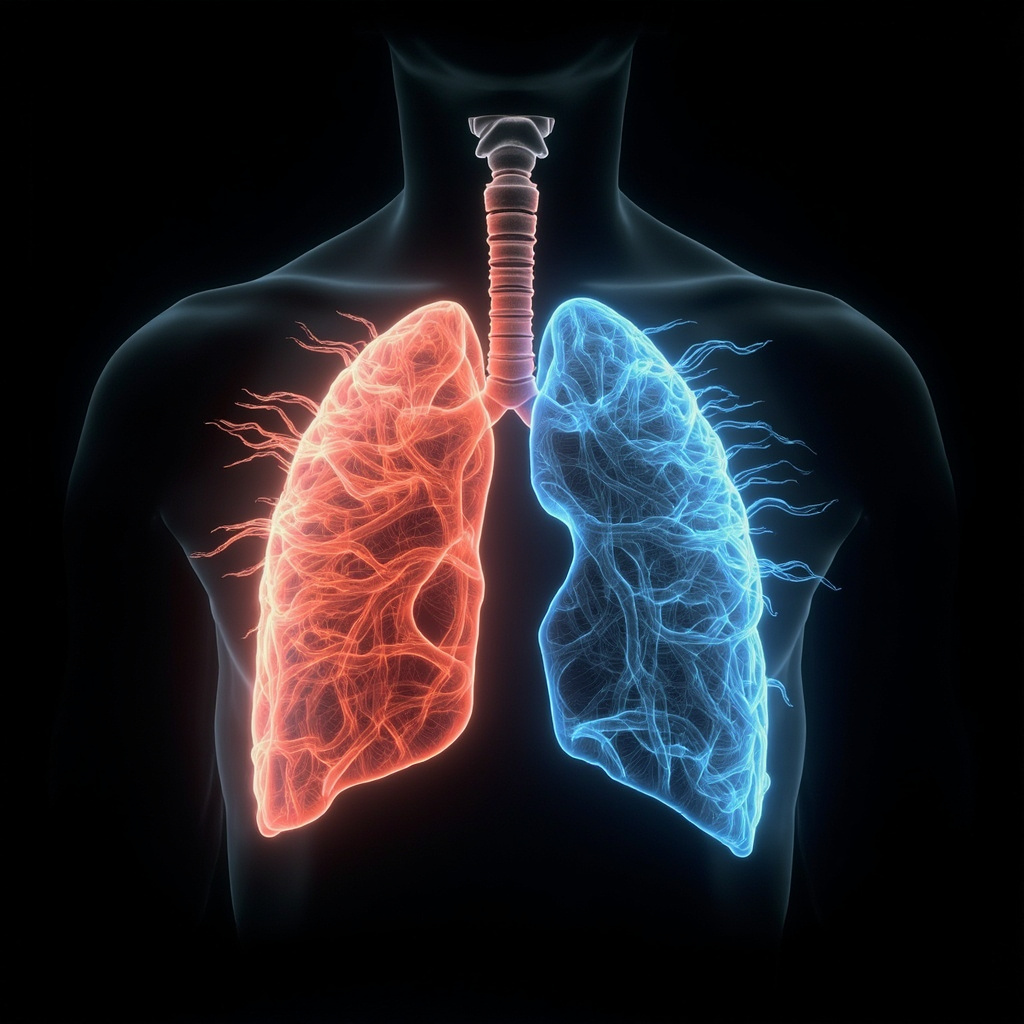
Do You Feel Trapped by Anxiety and Shortness of Breath?
Many people wake up feeling anxious for no clear reason. Your chest feels tight, breaths are shallow, and a knot sits in your stomach. You try to relax, but air just won't fill your lungs fully. This leaves you stressed, tired, and on edge all day. Sound familiar?
You are not alone. These symptoms affect millions. They show up during work pressure, arguments, or even quiet moments. People describe it as feeling trapped, unable to escape worry or tension. If this describes you, your body is signaling a deeper issue.
You've Tried Common Fixes, But They Don't Last
Deep breathing exercises from apps or yoga classes help for a minute. Therapy uncovers past fears, yet anxiety returns. Medications dull the edge, but side effects wear you down. You blame diet, sleep, or lifestyle-yet nothing sticks.
These attempts build trust in your efforts. You validate that shallow breathing and chest tightness are real problems, not imagination. Now, consider this new view: the issue hides in plain sight, in a muscle you rarely think about.
The Diaphragm: Your Breathing Muscle Under Stress
The diaphragm is a dome-shaped sheet of muscle under your lungs. It flattens when you inhale, pulling air deep into your body. Healthy, it supports full breaths, oxygen flow, and calm.
But tension grips it during stress. Chronic anxiety makes it stiff, leading to shallow chest breathing. This starves your brain of oxygen, ramps up fear, and creates a cycle: tight diaphragm worsens stress, stress tightens diaphragm more.
Studies show this link. One found diaphragmatic breathing cuts negative emotions and stress hormones source. Another ties diaphragm issues to emotional dysregulation. Tension reflects fear of loss of control or feeling confined, mirroring life's pressures.
Why Ignoring It Makes Things Worse
Shallow breathing drops heart rate variability (HRV), a sign of poor stress resilience. Low HRV links to fatigue, poor focus, and worse mental health over time. Untreated, it strains your heart, digestion, and sleep.
Past fixes failed because they treat symptoms, not the muscle root. Yoga stretches overlook electrical signals keeping it tense. Therapy heals mind but misses body signals.
Urgency builds: without addressing the diaphragm, anxiety deepens into chronic issues. Act now for lasting calm.
Better Ways Exist Beyond Pills and Sessions
Manual therapy or surgery costs thousands and risks side effects. Osteopathy helps some, but results vary.
Enter targeted balancing tools. They use your body's natural resonances-sounds and subtle currents-to relax muscles like the diaphragm. No drugs, no scalpels.
Curiosity peaks: what if a simple scan revealed your diaphragm's tension, guiding custom relief?
How Science Powers Diaphragm Relief
Frequencies match the diaphragm's rhythm, easing tension like tuning a string. Micro-currents nudge cells gently, restoring flow. Backed by biofeedback research, this boosts HRV fast.
Experts endorse: psychologists use similar for trauma release, noting emotional shifts.
Price? Under therapy's monthly cost, with home use.
Risk-free: track changes yourself.
Real Stories of Diaphragm-Driven Change
"I felt chest-bound anxiety daily. After focusing on my diaphragm, breaths deepened, worry faded in weeks." – Relatable user, post-scan.
"Tense breaths fueled my stress. Now, calm returns naturally, HRV up noticeably." – After consistent practice.
"Trapped feelings lifted; I sleep better, focus sharper." – Common timeframe: 21 days.
These echo your struggles, proving value.
Unlock Calm with BioCoherence: Balance Your Diaphragm
BioCoherence offers a fresh path. This software analyzes your body's electrical activity using a simple ECG sensor. In minutes, it computes over 1,500 biomarkers, including your diaphragm's energy and tension (diaphragm details).
New to this? No worry. It reveals hidden patterns-like diaphragm stiffness fueling anxiety-without complex tests.
Three Ways BioCoherence Eases Diaphragm Tension
-
Harmonic Boost: Custom audio frequencies resonate with your diaphragm. Play during rest; they guide the muscle to relax, boosting oxygen and calm. Build from a full scan or basic programs.
-
Personal Guide: Daily 21-day audio journeys. Tailored words focus on diaphragm as priority or resource: "Feel your diaphragm expand, releasing fear." Frequencies enhance the inner voyage for emotional balance.
-
Harmonizer: Wearable device applies gentle micro-currents in real-time. Choose diaphragm-focused programs from 10,000+ options or scan-based ones. Perfect for on-demand relief.
Learn more in tutorials on explorations and programs.
Why It Works for Emotional Health
As a psychologist, I track HRV and stress biomarkers. Diaphragm data shows agitation links to anxiety. Balancing it lifts emotional regulation, resilience follows.
Studies support: diaphragmatic methods improve HRV, cut stress (study link).
Voices from Users
Laura K.: "Frequencies shifted my tension; now easier movement, feeling younger."
AB's client: "Meditations unlocked buried emotions exactly matching the scan."
Leon: "Unexpected tears healed without effort-background balance worked."
See more at testimonials.
Start with a scan. Feel seen, balanced, free.
- 1. grandrisingbehavioralhealth.com
- 2. pmc.ncbi.nlm.nih.gov
- 3. instagram.com
- 4. nature.com
- 5. commons.emich.edu
- 6. naturaldos.com
- 7. positivepsychology.com
- 8. sciencedirect.com
- 9. theosteoway.ca
- 10. affairrecovery.com
- 11. blackburnahg.com.au
- 12. instagram.com
- 13. pmc.ncbi.nlm.nih.gov
- 14. youtube.com
- 15. psychologytoday.com
- 16. rhmgyn.com
- 17. facebook.com
- 18. inbornvoice.com
- 19. biocoherence.net
- 20. soma-well.com
- 21. researchgate.net
- 22. elevatecounselingaz.com
- 23. sciencedirect.com
- 24. pmc.ncbi.nlm.nih.gov
- 25. psychosomaticsandemotionalanatomy.com
- 26. pmc.ncbi.nlm.nih.gov
- 27. reddit.com
- 28. layahealthcare.ie
- 29. o-p-e-n.com
- 30. thesupportivecare.com
- 31. ilovegoodsugar.com
- 32. drkumardiscovery.com
- 33. dbtsandiego.com
- 34. pmc.ncbi.nlm.nih.gov
- 35. sciencedirect.com
- 36. pmc.ncbi.nlm.nih.gov
- 37. hopkinsmedicine.org
- 38. biocoherence.net
- 39. myofascialmississauga.com
- 40. journals.lww.com
- 41. frontiersin.org
- 42. freyabaskeyfield.co.uk
- 43. templehealth.org
- 44. othership.us
- 45. nature.com
- 46. cityosteopathy.com.hk
- 47. tandfonline.com
- 48. sciencedirect.com
- 49. facebook.com
- 50. instagram.com
- 51. facebook.com
- 52. pelvicphysio.co.nz
- 53. mdpi.com
- 54. pmc.ncbi.nlm.nih.gov
- 55. kaihealth.com.au
- 56. tandfonline.com
Related posts
Glossary
- Energy and mind Structures > oxygen
- Energy and mind Structures > Focused Coherence; Focus
- Energy and mind Structures > Mental
- Energy and mind Structures > Relax
- Body zones > hormones
- Body zones > lungs
- Body zones > diaphragm
- Body zones > muscles
- Body zones > tears
- Body zones > chest
- TCM Recipes > Emotional Balance: A TCM Guide to Calm Anxiety & Insomnia
- TCM Recipes > Stomach Health: Natural Remedies for Digestive Issues
- TCM Recipes > Heart Health: Remedies for Anxiety and Palpitations
- TCM Recipes > Brain Boost: Clear Fog, Improve Focus & Memory
- TCM Recipes > Boost Your Energy: A TCM Recipe for Fatigue Relief
- Energy and mind Structures > sleep
- Energy and mind Structures > movement
- Energy and mind Structures > Digestion
- Energy and mind Structures > Stress
- Stimuli > Moon - Nasal Passage, Breathing, Taste
- Binaural beats > Trauma Healing: Binaural Beats for Emotional Balance
see also...
- Energy and mind Structures > HRV
- Energy and mind Structures > Body zones > substantia nigra
- Energy and mind Structures > TCM Recipes > Tension Headache Relief: A Natural Approach to Ease Stress
- Testimonials > 61% Drop in Nausea and 58% in Headaches from Sound Therapy
- Binaural beats > Stimuli > Moon - Nasal Passage, Breathing, Taste
- Binaural beats > Trauma Healing: Binaural Beats for Emotional Balance