


Why High Stress Index Causes Fatigue Anxiety?
Feeling Exhausted No Matter What You Try?
You wake up tired, drag through the day, and collapse into bed still wired or restless. Maybe your mind races at night, or small things set you off. You've tried deep breathing, walks in nature, or cutting caffeine, but the fatigue and edge linger. Sound familiar?
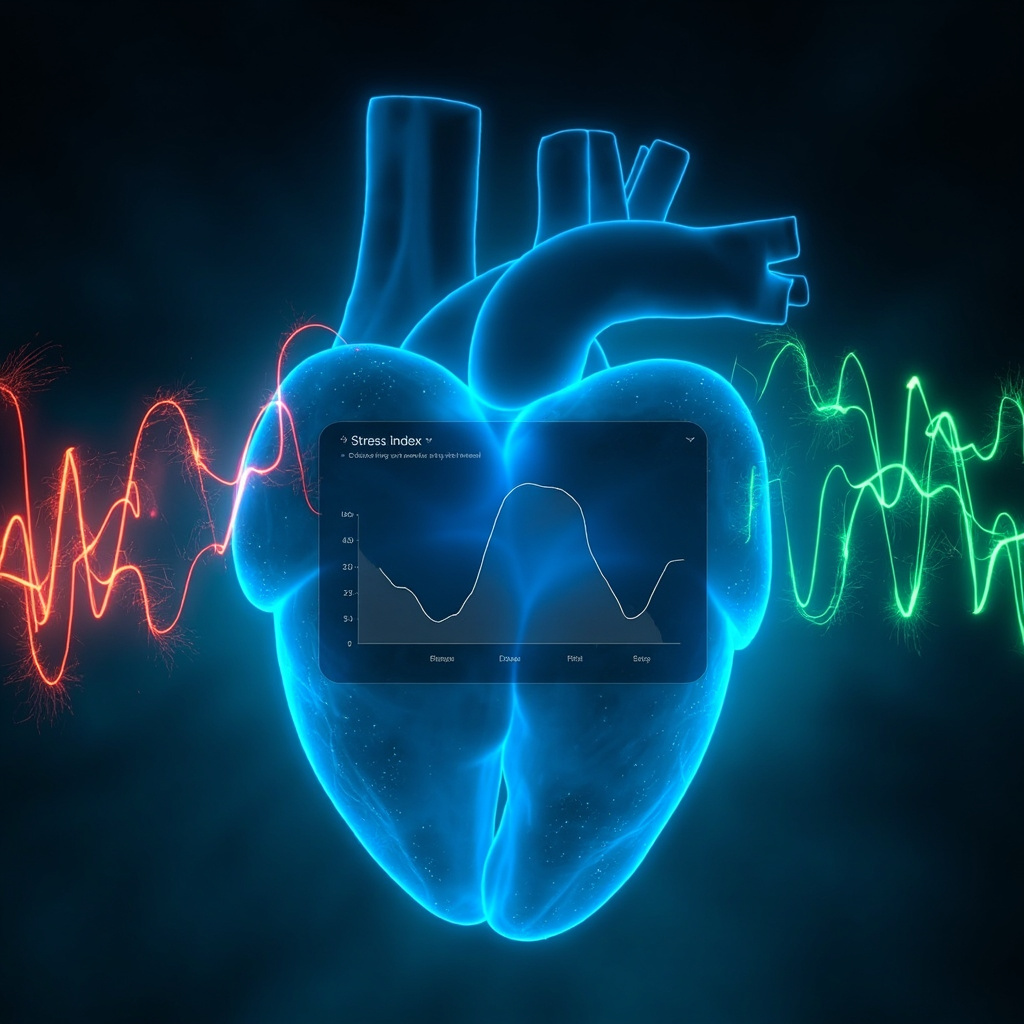
This isn't just 'life being busy.' It's your body signaling a deeper imbalance. Heart rate variability (HRV) measures the tiny changes in time between heartbeats. Healthy hearts flex like a well-tuned engine-adapting to rest or action. Low HRV, shown by a high Stress Index (SI), means your body stays stuck in high alert.
Why Your Usual Fixes Fall Short
Quick fixes like apps or yoga classes help short-term but miss the root. Why? Stress isn't just mental-it's physical. Your sympathetic nervous system (fight-or-flight) dominates over the parasympathetic (rest-and-digest). A high SI flags this shift, leading to:
- Persistent fatigue as energy reserves drain.
- Anxiety from constant vigilance.
- Poor focus, irritability, and sleep issues.
You've pushed through, blaming work or diet. But ignoring SI lets strain build on your heart and mind. Research shows high SI links to psychological stress, raising risks for burnout or worse.
The Hidden Mechanism: What SI Reveals
SI comes from ECG-simple electrical heart readings. It spots when heartbeats get too uniform under stress. Normal variation drops, signaling poor recovery. Studies confirm: high SI correlates with emotional strain and physical tiredness (see meta-analysis).
Past efforts failed because they treat symptoms, not this autonomic imbalance. Without addressing SI, stress compounds-weakening immunity, tightening muscles, fogging thoughts.
Why Wait? The Risks Grow
Unchecked high SI predicts cardiac strain and mood dips. One study found it doubles under acute stress (Frontiers). Long-term? Higher fatigue, anxiety disorders, even heart issues. Time to uncover your SI.
A Smarter Path Forward
Forget generic advice. Tools now measure SI precisely via home ECG sensors. Compare to pricey clinic tests ($500+ sessions). These reveal your baseline, track changes.
Frequency-based balancing-using sound waves tuned to body rhythms-activates relaxation without drugs. Micro-currents gently nudge nerves. Guided audio journeys target emotional roots. Science-backed, like HRV biofeedback (PMC study).
Curious how it fits you?
Balance Your Stress Index Naturally with BioCoherence
BioCoherence makes this accessible. Record your body's electrical activity with an ECG sensor in minutes. It computes 1500+ biomarkers, including Stress Index (learn more). High SI? Get personalized plans.
Harmonic Boost: Tune Your Energy
Custom audio frequencies resonate with your heart's needs. Structures like sympathetic nerves calm, reducing SI. Or use Basic Programs from the library for quick starts. Play anytime-balance body and mind.
Personal Guide: Daily Inner Journeys
21-day programs shift daily. If SI is a priority, hear guided words directing focus: "Let your heart relax into steady rhythm." Resources build resilience via biomarkers. Ties perfectly to meditation-track HRV gains.
Harmonizer: Micro-Currents for Real-Time Relief
Wearable applies gentle currents synced to your SI. Choose from 10,000+ programs or custom. Lowers stress on-demand, boosting parasympathetic tone.
See tutorials for setup. Real users share:
"Following these frequencies and meditations, I truly feel a positive shift." -Laura K., USA (testimonials)
"Deep emotional release... healing without actively engaging." -Leon, UK
"Profound healing through meditation unlocked repressed emotions." -AB, Croatia
As a meditation coach, I refine practices using SI and HRV. Breathing deepens parasympathetic activation; mindfulness cuts agitation. BioCoherence quantifies progress-your calm becomes measurable.
Start simple: record, balance, repeat. Lower SI means more energy, steady mood. Join thousands regulating nerves this way.
- 1. kubios.com
- 2. frontiersin.org
- 3. iopscience.iop.org
- 4. gradyhealth.org
- 5. my.clevelandclinic.org
- 6. romj.org
- 7. researchgate.net
- 8. sciencedirect.com
- 9. mdpi.com
- 10. frontiersin.org
- 11. pmc.ncbi.nlm.nih.gov
- 12. scirp.org
- 13. missionhealth.org
- 14. nature.com
- 15. humanfactors.jmir.org
- 16. sciencedirect.com
- 17. mdpi.com
- 18. pmc.ncbi.nlm.nih.gov
- 19. journals.sagepub.com
- 20. pmc.ncbi.nlm.nih.gov
- 21. biomedpharmajournal.org
- 22. aseanjournalofpsychiatry.org
- 23. pmc.ncbi.nlm.nih.gov
- 24. ouraring.com
- 25. va.gov
- 26. researchgate.net
- 27. whoop.com
- 28. journals.physiology.org
- 29. journals.plos.org
- 30. biocoherence.net
- 31. biocoherence.net
- 32. pmc.ncbi.nlm.nih.gov
- 33. royalsocietypublishing.org
- 34. biocoherence.net
- 35. mdpi.com
- 36. aidlab.com
- 37. frontiersin.org
Related posts
Glossary
- Energy and mind Structures > Focused Coherence; Focus
- Energy and mind Structures > Immunity
- Energy and mind Structures > Relax
- Body zones > muscles
- Body zones > nerves
- Body zones > parasympathetic
- TCM Recipes > Heart Health: Remedies for Anxiety and Palpitations
- TCM Recipes > Boost Your Energy: A TCM Recipe for Fatigue Relief
- Energy and mind Structures > sleep
- Energy and mind Structures > Theta; 4.31-6.97 Hz. Light sleep, meditation.
- Energy and mind Structures > Stress
- Stimuli > Anxiety Disorders
- Stimuli > Moon - Nasal Passage, Breathing, Taste
see also...
- Energy and mind Structures > HRV
- Energy and mind Structures > Body zones > plasma
- Energy and mind Structures > TCM Recipes > Tension Headache Relief: A Natural Approach to Ease Stress
- Testimonials > 61% Drop in Nausea and 58% in Headaches from Sound Therapy
- Binaural beats > Stimuli > Moon - Nasal Passage, Breathing, Taste