


Why Anxiety Tightens My Trachea?
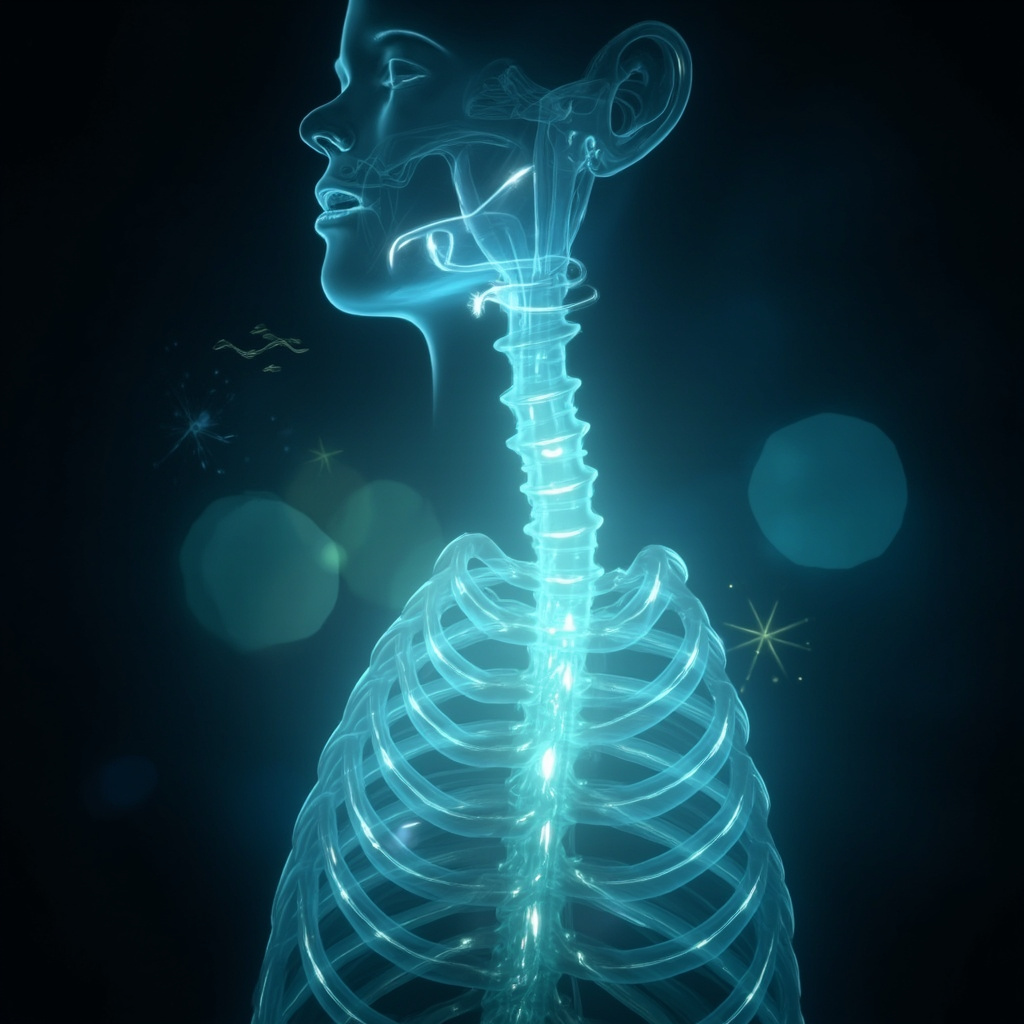
Do You Feel Strangled When Fear or Anxiety Hits?
You know that moment. Your heart races, words stick, and suddenly your throat tightens like an invisible hand squeezes your windpipe. Breathing feels shallow, speaking becomes hard, and a persistent lump lingers even after the panic fades. If you've ever struggled to catch your breath during arguments, public talks, or just overwhelming worry, you're not alone. This isn't imagination-it's your trachea, the tube carrying air to your lungs, reacting to deep emotional pressure.
Many describe it as choking on emotions they can't express. Fear of judgment, bottled-up anger, or anxiety about being heard creates real physical tension. You've felt seen in this struggle, right? That tightness that makes deep breaths impossible and leaves you exhausted.
Why Have Breathing Exercises and Therapy Not Fixed It?
You've tried deep breathing apps, yoga classes, even counseling to loosen up. They help a bit, but the tightness returns under stress. Why? Surface fixes calm the mind temporarily but miss the body's electrical signals-the hidden biomarkers showing your trachea out of balance.
Here's new information: your body's electrical activity reveals organ stress before symptoms worsen. The trachea links to fear of expression. Unresolved conflicts about speaking truth tighten its muscles, disrupting airflow. This creates curiosity-what if the real cause is emotional energy trapped in your windpipe?
The Mechanism: How Fear Constricts Your Windpipe
When stress hits, your body shifts to fight-or-flight. Muscles around the trachea spasm, narrowing the airway. This leads to wheezing, coughing, or that globus sensation-a lump with no medical cause. Studies confirm it: the American Psychological Association notes stress triggers respiratory symptoms like rapid, shallow breaths as airways between lungs react.
Why past attempts failed? Breathing alone doesn't address root emotional blocks or low heart rate variability (HRV), a sign of poor stress recovery. Without targeting trachea tension, cycles repeat. A Stanford study shows cyclic sighing boosts mood and HRV, but needs personalization.
Urgency builds: chronic tension risks infections, fatigue, and deepened anxiety. If ignored, it worsens lung health and emotional isolation.
Beyond Pills and Sessions: A Smarter Solution Category
Traditional options like inhalers or endless therapy cost hundreds monthly and overlook body-mind links. Expensive specialists charge thousands for custom plans, yet miss electrical imbalances.
Enter frequency balancing and micro-current therapies-tools using sound waves and tiny currents at your trachea's natural rhythms to relax tissues. Guided audios with targeted words release emotional holds. Why it works: they resonate with organ frequencies, unlike generic advice.
Anticipation grows-what tool implements this science precisely?
BioCoherence: Science-Backed Implementation for Your Trachea
BioCoherence scans your body's electrical activity via a simple ECG sensor, computing 1500+ biomarkers including trachea energy and agitation. Learn more at the trachea glossary.
It positions as proven: proprietary algorithms link trachea to emotions like fear of criticism. Experts endorse: meditation coaches use it for HRV gains.
Mechanisms shine:
- Harmonic Boosts: Play frequencies making trachea resonate freely, easing airflow.
- Personal Guide: Daily 21-day audios evolve with your biomarkers. If trachea is priority, hear: "Feel your windpipe open, voice your truth calmly." As resource: "Let trachea deliver vital oxygen, supporting clear expression."
- Harmonizer: Micro-currents from app relax trachea real-time, from catalog or custom.
Price? Affordable vs. specialists. Risk-free: try explorations first.
Real Stories: Transformations in Weeks
"The app nailed my emotional state-throat tension from unspoken fears. Frequencies unlocked it; breathing eased in days." – Laura K., USA (testimonials).
"Meditations released repressed emotions; no more tight windpipe during stress." – AB, Croatia.
"Deep emotional release from frequencies-crying then calm, better breath." – Leon, UK.
These aren't miracles; relatable shifts from consistent use build trust in trachea balance.
Unlock Free Breathing with BioCoherence
New to frequencies? They're safe audio tones matching body rhythms-like tuning a radio to clear signal. Micro-currents? Gentle zaps smaller than TENS units, guided by app.
Start at tutorials: master sensor recordings, build boosts. Track HRV progress, refine breathwork.
Your trachea supports oxygen flow and bold expression. Balance it for vitality. As meditation coach, I guide: pair scans with mindfulness for lasting calm.
- 1. linkedin.com
- 2. cogbtherapy.com
- 3. linkedin.com
- 4. acaai.org
- 5. nytimes.com
- 6. pubmed.ncbi.nlm.nih.gov
- 7. narayanahealth.org
- 8. caringmedical.com
- 9. biocoherence.net
- 10. o-p-e-n.com
- 11. powershealth.org
- 12. biocoherence.net
- 13. tiktok.com
- 14. beaumonteh.com
- 15. biocoherence.net
- 16. pmc.ncbi.nlm.nih.gov
- 17. uhhospitals.org
- 18. mdpi.com
- 19. healthcentral.com
- 20. airwayhealth.org
- 21. buteykoclinic.com
- 22. facebook.com
- 23. ctcd.edu
- 24. biocoherence.net
- 25. wellnessroadpsychology.com
- 26. mayoclinic.org
- 27. instagram.com
- 28. caringmedical.com
- 29. breathball.com
- 30. youtube.com
- 31. biorxiv.org
- 32. apollo247.com
- 33. jccpractice.com
- 34. int.livhospital.com
- 35. sciencefocus.com
- 36. sciencedaily.com
- 37. med.stanford.edu
- 38. pmc.ncbi.nlm.nih.gov
- 39. frontiersin.org
- 40. frontiersin.org
- 41. health.harvard.edu
- 42. instagram.com
- 43. biocoherence.net
- 44. pmc.ncbi.nlm.nih.gov
- 45. pmc.ncbi.nlm.nih.gov
- 46. brainfacts.org
- 47. biocoherence.net
- 48. 4dmedical.com
- 49. ncbi.nlm.nih.gov
- 50. yeditepehastaneleri.com
- 51. orlandohealth.com
- 52. drshalindiwanji.co.uk
- 53. my.clevelandclinic.org
- 54. medizinonline.com
- 55. biocoherence.net
- 56. instagram.com
- 57. mayoclinic.org
- 58. alibaba.com
- 59. medium.com
- 60. quora.com
- 61. sciencedirect.com
- 62. apa.org
- 63. craftbodyscan.com
- 64. youtube.com
- 65. pubmed.ncbi.nlm.nih.gov
- 66. constable.blog
Related posts
Glossary
- Energy and mind Structures > oxygen
- Energy and mind Structures > Truth
- Energy and mind Structures > Relax
- Body zones > lungs
- Body zones > muscles
- Body zones > respiratory
- Body zones > throat
- Body zones > tissues
- Body zones > trachea
- TCM Recipes > Calm the Mind: A Remedy for Anxiety and Insomnia
- TCM Recipes > Heart Health: Remedies for Anxiety and Palpitations
- TCM Recipes > Lung Support: A TCM Recipe for Respiratory Health
- TCM Recipes > Boost Your Energy: A TCM Recipe for Fatigue Relief
- Energy and mind Structures > vitality
- Energy and mind Structures > Theta; 4.31-6.97 Hz. Light sleep, meditation.
- Energy and mind Structures > Stress
- Stimuli > Moon - Nasal Passage, Breathing, Taste
- Stimuli > Spasm