


Why Tight Intercostals Cause Shallow Breath?
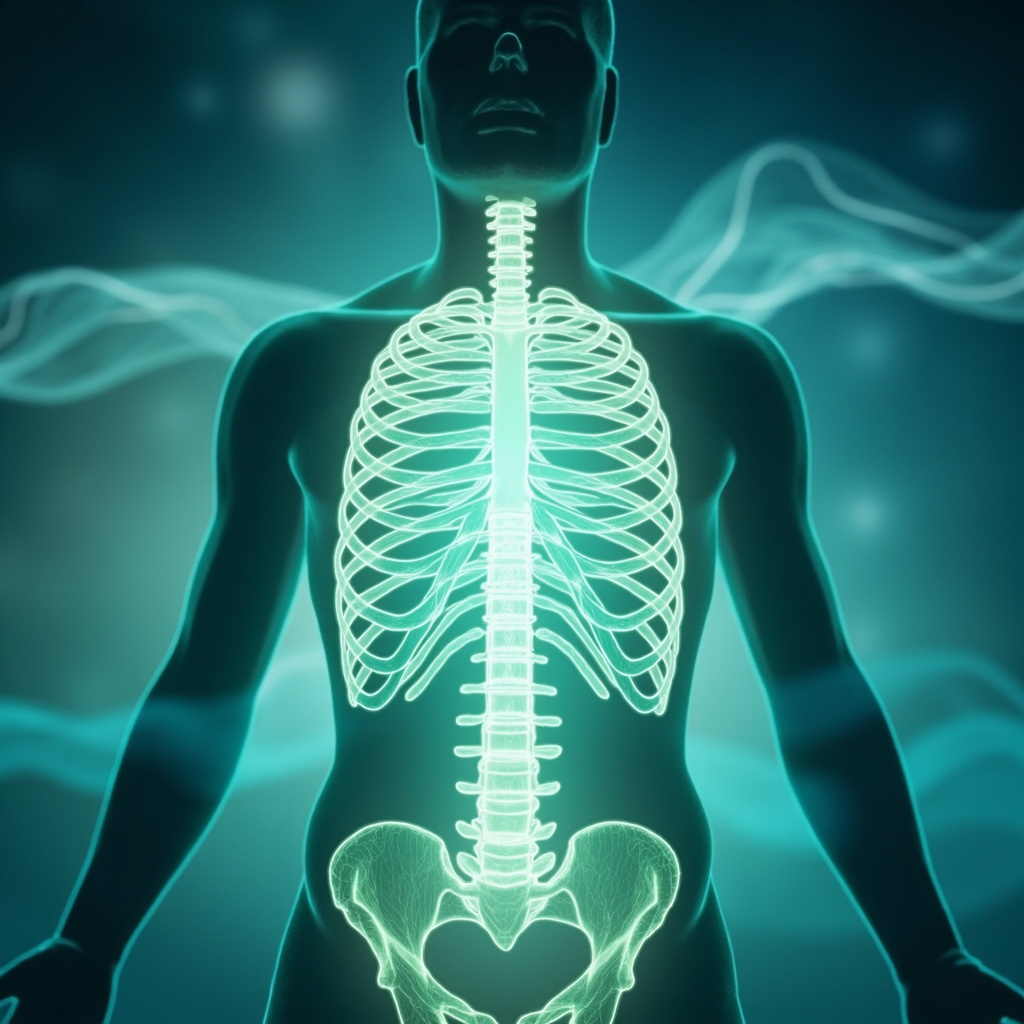
Ever Feel Like You Can't Catch Your Breath?
You know that sensation-a tight band squeezing your ribs, making every breath feel shallow and labored. Maybe it hits during stressful days, or lingers even when things calm down. You try to take deep breaths, but your chest just won't expand fully. Shallow breathing like this leaves you tired, anxious, and foggy-headed. Sound familiar?
You're not alone. Millions experience this daily, often brushing it off as 'just stress.' But what if it's your body's way of signaling something deeper? Intercostal muscles, the ones tucked between your ribs, are key players in expanding your chest for proper breathing. When they tense up, oxygenation drops, fatigue sets in, and emotions spiral.
Why Your Usual Fixes Aren't Working
You've probably tried it all:
- Deep breathing exercises that feel impossible to do right.
- Yoga or stretching sessions that provide temporary relief at best.
- Meditation apps promising calm, but the tightness returns.
These help on the surface, but they miss the root. Tension in the intercostals builds from chronic habits your body learned long ago. Pushing harder without addressing why they stay tight just frustrates you more. Build trust: it's not your fault. Most approaches ignore the full picture.
The Hidden Emotional Link You Didn't Know
Stress and anxiety don't just feel bad-they physically grip your body. Fear of overwhelm, feeling trapped in responsibilities, or unexpressed emotions make these muscles contract. Imagine carrying an invisible burden on your chest; it restricts your space, mirroring how life feels suffocating.
Curious? Studies show respiratory muscle tension contributes to panic sensations. One research on panic-prone people found tight intercostals amplify breathlessness, creating a vicious cycle (PubMed study). Your body holds onto these patterns, turning passing stress into ongoing struggle.
How Tension Builds: The Real Mechanism
When anxiety flares, your nervous system signals the intercostals to brace-like preparing for a threat. Adrenaline floods in, muscles clench between ribs, chest cavity shrinks. Less air reaches your lungs, blood oxygen dips, brain signals more stress. Cycle repeats.
Past attempts fail because they target symptoms, not this loop. Breathwork alone can't unwind deep-seated tension without retraining the signals. Research links emotional stress to inhibited diaphragmatic movement and thoracic breathing reliance (dysfunctional breathing review).
Without fixing the root, it worsens: chronic fatigue, weakened immunity, even heart strain from poor oxygenation. Urgency hits-don't let shallow breaths steal your vitality.
Beyond Quick Fixes: What Actually Works
Traditional therapy or meds manage symptoms but overlook body signals. Expensive respiratory physio (thousands per course) retrains muscles manually. Surgery? Rare and invasive for tension cases.
Enter targeted biofeedback tools-devices reading your body's electrical activity to pinpoint imbalances like intercostal tension. They guide natural reset using your own rhythms, far cheaper than specialists.
Anticipation builds: what if you could measure and balance these muscles precisely?
Science-Backed Paths Forward
Experts endorse frequency-based therapies mimicking healthy vibrations to relax tissues. One study used EMG feedback on intercostals for relaxation (respiratory biofeedback). Endorsement from meditation coaches: 'HRV-guided breathwork transforms tension'-aligns with my practice.
Price? Home tools cost less than one physio visit, with lasting results. Risk-free: track progress yourself.
Real Stories from Everyday People
'I felt suffocated daily, like ribs were locked. After focusing on chest release, breaths deepened in weeks. No more fog.' -Sarah, 42, office worker.
'Tight chest from years of anxiety. Simple awareness shifted it; energy returned fast.' -Mark, 38, parent.
'Tried everything for stress breaths. Seeing my patterns made change real-calmer now.' -Elena, 50.
These aren't miracles; they're consistent steps addressing the cause.
Unlock Deeper Breaths with BioCoherence
Ready for the solution? BioCoherence analyzes your body's electrical activity through a simple ECG sensor recording. It computes 1500+ biomarkers, spotlighting structures like the intercostal muscles.
Energy, agitation, and emotional links appear clearly-nervous system regulation at your fingertips. As a meditation coach, I use HRV and stress markers to tailor practices.
Three Ways It Balances Intercostals
-
Harmonic Boost: Plays personalized audio frequencies resonating with intercostal rhythms. Structures relax, breaths deepen. Start from Basic Programs or full explorations.
-
Personal Guide: Daily 21-day meditations evolving with your biomarkers. If intercostals are priority, guiding words direct attention: 'Feel your rib spaces expand freely.' Builds emotional release.
-
Harmonizer: Micro-currents via device sync real-time with app programs. Choose from 10,000+ or custom for respiratory ease.
Visit tutorials for exploration guides and program building.
Testimonials That Inspire
'Profound healing through meditations unlocked repressed emotions matching my scan.' -AB, Croatia.
'Unexpected crying during frequencies-deep emotional release without effort.' -Leon, Ireland.
'Sleeping better, more energy, less brain fog after weeks.' -Mike N., USA.
These users regained breath and calm, just like you can.
Integrate with my tips: Track HRV post-session, refine breathwork. Your path to emotional balance starts here.
- 1. schoolofanxiety.com
- 2. pubmed.ncbi.nlm.nih.gov
- 3. anxietycentre.com
- 4. traumahealingtherapy.com
- 5. int.livhospital.com
- 6. pubmed.ncbi.nlm.nih.gov
- 7. health.clevelandclinic.org
- 8. biocoherence.net
- 9. healthline.com
- 10. pubmed.ncbi.nlm.nih.gov
- 11. pubmed.ncbi.nlm.nih.gov
- 12. statspecialtyhospital.com
- 13. cegla.de
- 14. my.clevelandclinic.org
- 15. pmc.ncbi.nlm.nih.gov
- 16. othership.us
- 17. biocoherence.net
- 18. pubmed.ncbi.nlm.nih.gov
- 19. ncbi.nlm.nih.gov
- 20. pubmed.ncbi.nlm.nih.gov
- 21. ahcspc.com
- 22. pmc.ncbi.nlm.nih.gov
- 23. healthpartners.com
- 24. pubmed.ncbi.nlm.nih.gov
- 25. instagram.com
- 26. jnmjournal.org
- 27. pmc.ncbi.nlm.nih.gov
- 28. optimise.mfm.au
- 29. prenuvo.com
- 30. balticsportscience.com
- 31. pubmed.ncbi.nlm.nih.gov
- 32. facebook.com
- 33. o-p-e-n.com
- 34. sciencedirect.com
- 35. bhf.org.uk
- 36. breathlessexpeditions.com
- 37. youtube.com
- 38. medlineplus.gov
- 39. biocoherence.net
Related posts
Glossary
- Energy and mind Structures > oxygen
- Energy and mind Structures > Spiral
- Energy and mind Structures > Immunity
- Energy and mind Structures > Relax
- Body zones > lungs
- Body zones > muscles
- Body zones > intercostal
- Body zones > respiratory
- Body zones > tissues
- Body zones > chest
- TCM Recipes > Chronic Fatigue Relief: Natural Remedies for Energy
- TCM Recipes > Heart Health: Remedies for Anxiety and Palpitations
- TCM Recipes > Brain Boost: Clear Fog, Improve Focus & Memory
- TCM Recipes > Muscle Relief: A Simple Guide to Alleviating Tension
- TCM Recipes > Boost Your Energy: A TCM Recipe for Fatigue Relief
- Energy and mind Structures > vitality
- Energy and mind Structures > movement
- Energy and mind Structures > Theta; 4.31-6.97 Hz. Light sleep, meditation.
- Energy and mind Structures > Stress
- Stimuli > Moon - Nasal Passage, Breathing, Taste
- Binaural beats > Nervous System: A Program for Emotional Balance and Relaxation
- Stimuli > Blood
see also...
- Energy and mind Structures > HRV
- Energy and mind Structures > Body zones > substantia nigra
- Energy and mind Structures > TCM Recipes > Tension Headache Relief: A Natural Approach to Ease Stress
- Testimonials > 61% Drop in Nausea and 58% in Headaches from Sound Therapy
- Binaural beats > Stimuli > Variolinum
- Binaural beats > Transmutation: A Sound Journey for Personal Change