


Why Does My Diaphragm Feel Tight When I Am Stressed?
The Hidden Tension in Your Breath
Have you ever noticed that during stressful moments, your breathing becomes shallow or trapped in your upper chest? You are not alone. Many people experience a persistent feeling of tightness in the center of their torso, right below the ribs. You might have tried deep breathing exercises, yoga, or even physical therapy, yet the sensation of being held back or unable to take a full, refreshing breath remains. You feel like you are working hard just to stay calm, but your body seems to have a mind of its own.
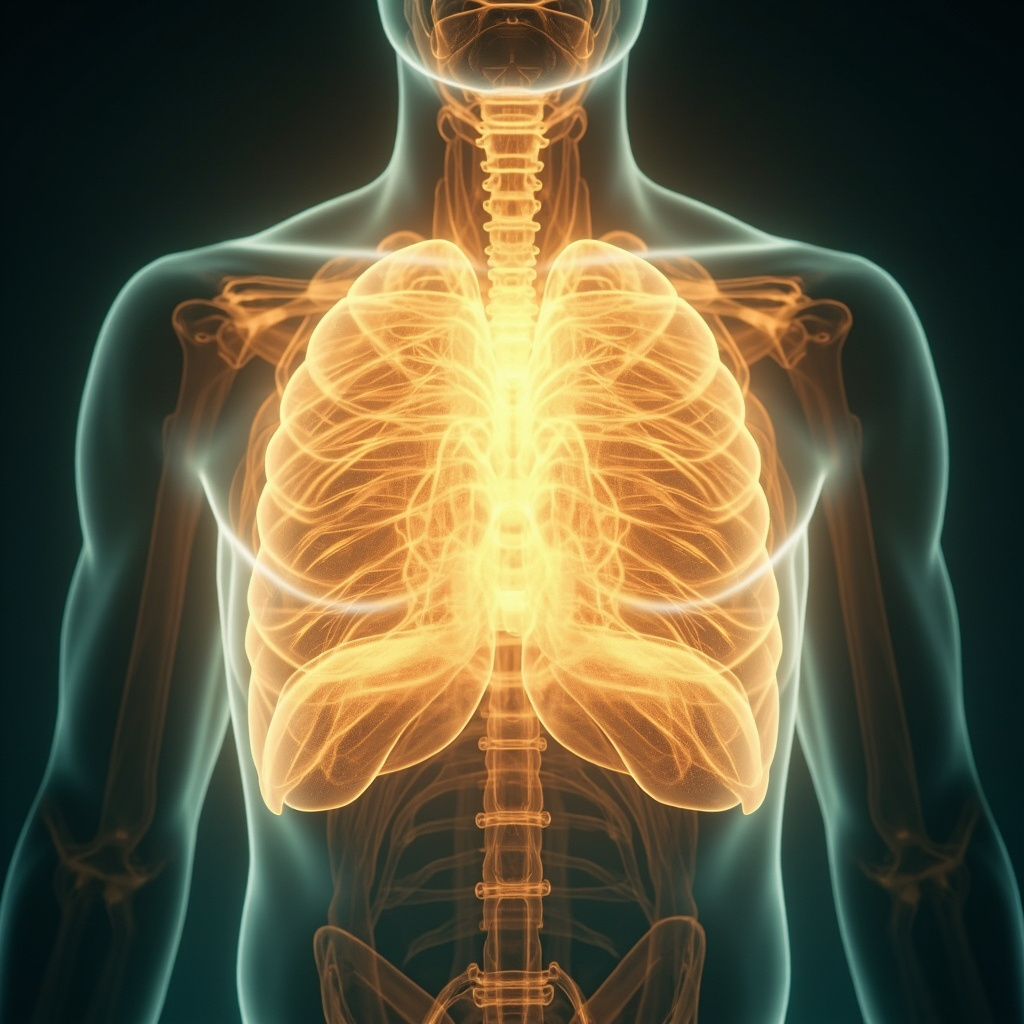
This is not a failure of willpower. It is a biological response. The diaphragm is a dome-shaped muscle that separates your chest from your abdomen. It is the primary engine of your breath. When you are under chronic stress, this muscle can become restricted, effectively locking your nervous system in a state of high alert. This constant tension is not just a physical discomfort; it is a signal from your body that your internal rhythm is out of sync.
Why Your Body Holds onto Stress
Research in physiology shows that the diaphragm is deeply connected to your emotional state. Because it is controlled by the autonomic nervous system, it reacts instantly to feelings of fear, anxiety, or the need for control. When you feel trapped or overwhelmed, your diaphragm tightens, limiting the movement of your lungs and reducing your oxygen intake. This creates a cycle: the tension makes you feel more anxious, and that anxiety keeps the muscle tight.
Science suggests that this is a protective mechanism gone wrong. Your body is trying to brace itself against perceived threats. If you do not address this root cause, the restricted movement can lead to long-term fatigue, poor sleep, and a feeling of emotional heaviness. You are not just dealing with muscle tightness; you are dealing with a regulation issue in your nervous system.
A New Approach to Inner Balance
Instead of forcing your body to relax with standard techniques that may not address your specific electrical patterns, there is a more precise way to listen to what your body needs. By analyzing the electrical activity of your system, it is possible to identify exactly where your energy is blocked and why. This is not about guessing; it is about using real-time data to understand your unique biological priorities.
Restoring Your Natural Rhythm
BioCoherence offers a way to bridge the gap between your physical tension and your inner peace. By using an ECG sensor to record your body's electrical activity, the software identifies biomarkers-thousands of data points-that reveal the health and state of yourdiaphragm.
Once we understand the specific quality and energy of your diaphragm, we can provide a personalized roadmap for balance:
- Harmonic Boosts: We create structural resonance sessions using targeted frequencies that help the diaphragm release its holding pattern, encouraging it to move with its natural, fluid rhythm again.
- Personal Guide: You receive a 21-day journey tailored to your specific biomarkers. The text and guided meditations within this program are designed to help you release the emotional weight often stored in this area, such as fear or the need for control.
- Harmonizer: By applying gentle micro-currents driven by your own data, we help harmonize the nerves connected to the diaphragm, promoting parasympathetic activation-the state where your body naturally heals and restores itself.
Many users find that as their diaphragm regains its flexibility, their breathing deepens, their stress levels drop, and their sense of clarity returns. You are not just relaxing; you are tuning your body to its most vital state. By focusing on the specific electrical signals that govern your breath, you can finally move past the feeling of being trapped and step into a more expansive, calm way of living.
Related posts
Glossary
- Energy and mind Structures > oxygen
- Energy and mind Structures > Regulation
- Energy and mind Structures > Sensation
- Energy and mind Structures > Peace
- Energy and mind Structures > Willpower
- Energy and mind Structures > Relax
- Body structures > lungs
- Body structures > diaphragm
- Body structures > nerves
- Body structures > parasympathetic
- Body structures > chest
- TCM Recipes > Boost Your Energy: A TCM Recipe for Fatigue Relief
- Energy and mind Structures > sleep
- Energy and mind Structures > movement
- Energy and mind Structures > Stress
- Stimuli > Hepatitis G virus, Primary
- Stimuli > Moon - Nasal Passage, Breathing, Taste
- Binaural beats > Nervous System: A Program for Emotional Balance and Relaxation
- Stimuli > Lead
see also...
- Energy and mind Structures > HRV
- Energy and mind Structures > Body structures > substantia nigra
- Energy and mind Structures > TCM Recipes > Tension Headache Relief: A Natural Approach to Ease Stress
- Testimonials > 61% Drop in Nausea and 58% in Headaches from Sound Therapy
- Binaural beats > Stimuli > Sacral, Zinc Etc
- Binaural beats > Transmutation: A Sound Journey for Personal Change