


Why do lung lobes trap fear, grief, and breath?
Feeling Breathless When Fear or Grief Strikes?
You take a deep breath, but it feels shallow. Your chest tightens during anxious moments or when old sorrows surface. Maybe you've noticed fatigue after emotional days, or your meditation practice eases the mind but not the breath. This is common, yet often overlooked. Lung lobes – the sections of your lungs that handle oxygen intake – play a key role here. Learn more about lung lobes.
Many people experience this without knowing why. You might blame allergies, poor air, or just 'stress.' But what if unresolved emotions like fear, anxiety, or grief are settling right into your lung tissue? In everyday life, this shows up as:
- Sudden shortness of breath during worry.
- Chest heaviness after loss or conflict.
- Tiredness that lingers, even after rest.
You've tried deep breathing apps, yoga classes, or therapy sessions. They help a bit, but the tightness returns. Why? Because surface fixes don't address the deeper hold emotions have on your respiratory system.
The Body's Silent Emotional Storage
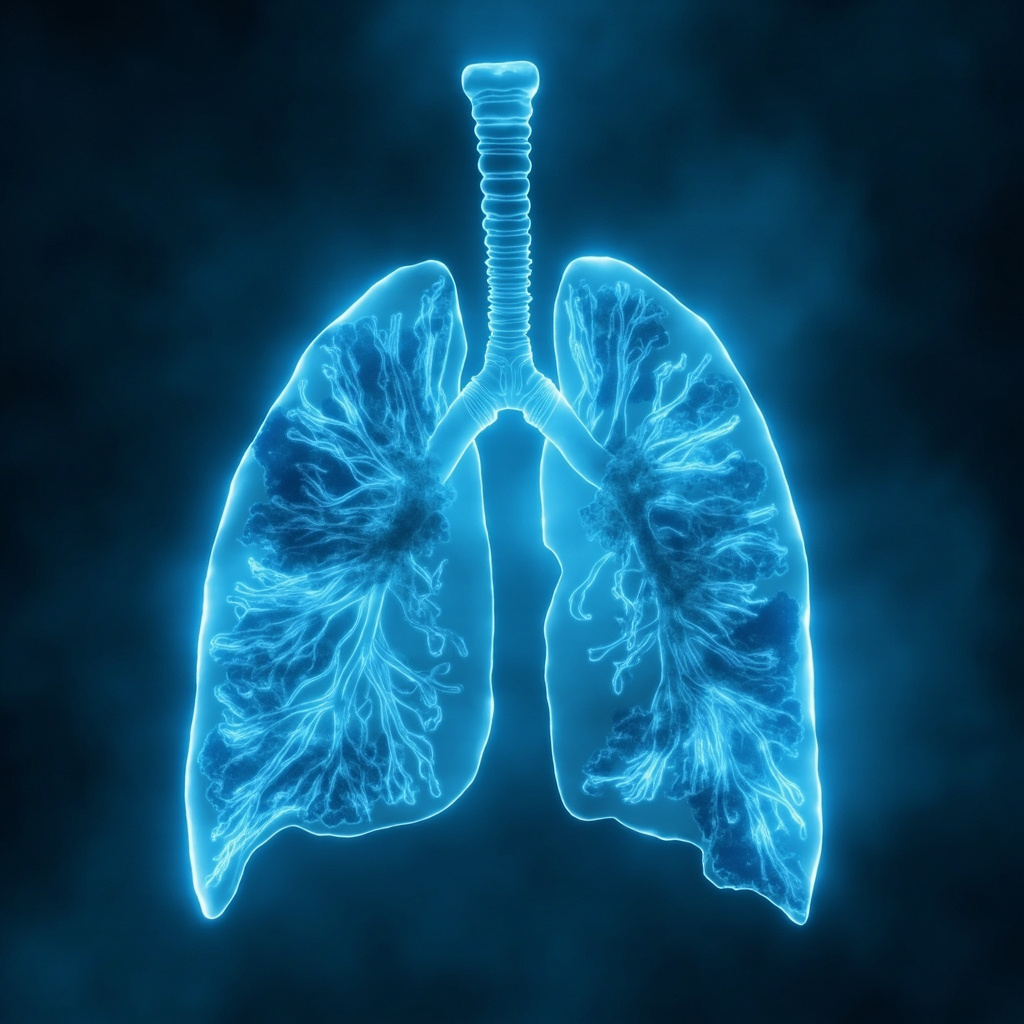
Your lungs aren't just for air; they're tied to how you process fear and letting go. When life feels overwhelming – like territorial fights at work, survival worries, or trapped feelings – these emotions can disrupt lung function. The right lung has three lobes (upper, middle, lower), the left has two. They expand and contract to fuel your body with oxygen and release waste.
But fear constricts, mimicking a fight-or-flight response that shallows your breath. Grief weighs down, leading to sighs or held breaths. This isn't 'in your head.' It's physical: tense muscles around the lungs, reduced expansion, lower oxygen flow. Over time, this drains vitality, fogs the mind, and amps up stress cycles.
Why Your Past Efforts Fell Short
Standard advice focuses on symptoms: puffers for breath, pills for anxiety, generic meditation for calm. These patch the surface but miss the root. Why?
- Breathing exercises strengthen muscles but ignore emotional blocks in the lobes.
- Talk therapy unpacks feelings but doesn't retune the body's energy patterns.
- Quick fixes like caffeine boost energy temporarily, worsening the drain later.
You've invested time and money, yet the cycle persists. This builds frustration, making you doubt your efforts. The real issue? No tool scans your unique body signals to target lung lobe imbalances precisely.
Proof from Science: Emotions Hurt Your Lungs
Research backs this. Studies link chronic stress and anxiety to poorer lung function, like reduced capacity and inflammation. One review found mental health issues correlate with respiratory decline, independent of smoking or age. Grief, in particular, shows up as shallower breathing patterns.
Traditional views, like in Chinese medicine, pair lungs with sadness and fear for centuries. Modern data agrees: high anxiety predicts breathlessness, even in healthy lungs. Heart rate variability (HRV) drops too – a sign your nervous system stays revved, blocking calm.
Ignore this, and risks grow: fatigue worsens, immunity dips, emotions spiral. Early action prevents escalation to chronic issues.
Time for Targeted Relief
What works? Tools that read your body's electrical signals, reveal lobe imbalances, and apply custom fixes. Think beyond pills: personalized sound waves to resonate lung tissue, guided words to release emotions, gentle currents to ease tension.
Compared to endless doctor visits ($200+ per session) or retreats ($1000+), precise home tech costs less and targets roots. No side effects, just measurable shifts in breath, mood, energy.
Unlock Calm with BioCoherence: Your Lung Lobe Ally
BioCoherence changes this. It's software that analyzes your body's electrical activity via a simple ECG sensor. In minutes, it computes 1500+ biomarkers, spotlighting lung lobes' energy, agitation, and emotional ties.
Step 1: Your Personal Scan
Record a full-body reading. See if lobes show fear patterns (high agitation) or grief holds (low energy). Links to stress or HRV appear clearly.
Step 2: Harmonic Boosts for Resonance
Custom audio frequencies match your lobes' natural vibes. Structures make lobes resonate freely; stimuli guide toward goals like deeper breaths. From Basic Programs or your scan – play anytime for oxygen flow and fear release.
Step 3: Personal Guide Meditations
Daily 21-day journeys. If lobes are priority, hear: "Feel your lung lobes expand, welcoming fresh air, releasing old fears." Or as resource: "Let lobes oxygenate your calm center." Tailored to your biomarkers, blending breathwork with emotional cues.
Step 4: Harmonizer Micro-Currents
Clip-on device sends real-time currents via app programs. Choose from 10,000+ or build from scan/Basic. Eases lobe tension gently, boosting respiratory rhythm without effort.
This isn't random New Age. It's data-driven: frequencies from your biomarkers, meditations refined by HRV/stress trends, currents synced to needs. Tutorials here guide first steps.
Real People, Real Shifts
"The meditations unlocked repressed emotions from 20 years ago." – Client via coach (Croatia).
"Playing a balance program, I started crying unexpectedly – healing without trying hard." – Leon, Ireland.
"Less brain fog, body aches, more energy after weeks." – Mike N., USA.
As a meditation coach, I track HRV and stress to refine practices. Lung lobes often key: balance them, and breathing deepens, anxiety fades, calm lasts. Start with a scan – feel the difference.
Ready to breathe free? Your lobes await.
- 1. facebook.com
- 2. academic.oup.com
- 3. anoasisofhealing.com
- 4. chrysalistcm.com
- 5. shineholistic.co.uk
- 6. youtube.com
- 7. sciencedirect.com
- 8. 4dmedical.com
- 9. thejoyfulapproach.com
- 10. o-p-e-n.com
- 11. zenshiatsuandwellbeing.co.uk
- 12. pmc.ncbi.nlm.nih.gov
- 13. lung.org
- 14. apexmedicalcenter.com
- 15. texascenterforlifestylemedicine.org
- 16. youtube.com
- 17. youtube.com
- 18. biocoherence.net
- 19. mendacupuncture.com
- 20. youtube.com
- 21. pubmed.ncbi.nlm.nih.gov
- 22. verywellmind.com
- 23. pulmonarywellness.org
- 24. dinavalerie.com
- 25. ijhsr.org
- 26. princessakeema.com
- 27. debbiecarterlpc.com
- 28. lungfoundation.com.au
- 29. nm.org
- 30. youtube.com
- 31. higherdose.com
- 32. pmc.ncbi.nlm.nih.gov
- 33. tulasomatics.com
- 34. research.va.gov
- 35. apa.org
- 36. journal.copdfoundation.org
- 37. instagram.com
- 38. pmc.ncbi.nlm.nih.gov
- 39. bhf.org.uk
- 40. biocoherence.net
- 41. 369wellnesscenter.com
- 42. heart.org
- 43. apollo247.com
- 44. pmc.ncbi.nlm.nih.gov
- 45. meine-tcm.com
- 46. lung.org
- 47. breathlessexpeditions.com
- 48. youtube.com
- 49. youtube.com
- 50. aldebaranhealing.co.nz
- 51. atsjournals.org
- 52. youtube.com
- 53. youtube.com
- 54. resmedjournal.com
- 55. therapyproducts.net
- 56. facebook.com
- 57. gaynorgrozieracupuncture.com
- 58. youtube.com
Related posts
Glossary
- Energy and mind Structures > oxygen
- Energy and mind Structures > Mental
- Energy and mind Structures > Sadness
- Energy and mind Structures > Grief
- Energy and mind Structures > Letting go
- Energy and mind Structures > Spiral
- Energy and mind Structures > Immunity
- Body zones > head
- Body zones > lungs
- Body zones > lobes
- Body zones > muscles
- Body zones > respiratory
- Body zones > chest
- TCM Recipes > Boost Energy: A Simple Remedy for Low Energy and Fatigue
- TCM Recipes > Heart Health: Remedies for Anxiety and Palpitations
- TCM Recipes > Lung Support: A TCM Recipe for Respiratory Health
- TCM Recipes > Brain Boost: Clear Fog, Improve Focus & Memory
- TCM Recipes > Stress Relief: A Simple Guide to Calm and Sleep
- TCM Recipes > Boost Your Energy: A TCM Recipe for Fatigue Relief
- Energy and mind Structures > vitality
- Energy and mind Structures > Theta; 4.31-6.97 Hz. Light sleep, meditation.
- Energy and mind Structures > Stress
- Stimuli > Moon - Nasal Passage, Breathing, Taste
- Binaural beats > Inflammation Relief: Heal Faster with Binaural Beats
- Binaural beats > Nervous System: A Program for Emotional Balance and Relaxation
see also...
- Energy and mind Structures > HRV
- Energy and mind Structures > Body zones > substantia nigra
- Energy and mind Structures > TCM Recipes > Tension Headache Relief: A Natural Approach to Ease Stress
- Testimonials > 61% Drop in Nausea and 58% in Headaches from Sound Therapy
- Binaural beats > Stimuli > Moon - Nasal Passage, Breathing, Taste
- Binaural beats > Transmutation: A Sound Journey for Personal Change