


克雷伯氏肺炎 1:TCM肺和谐路径
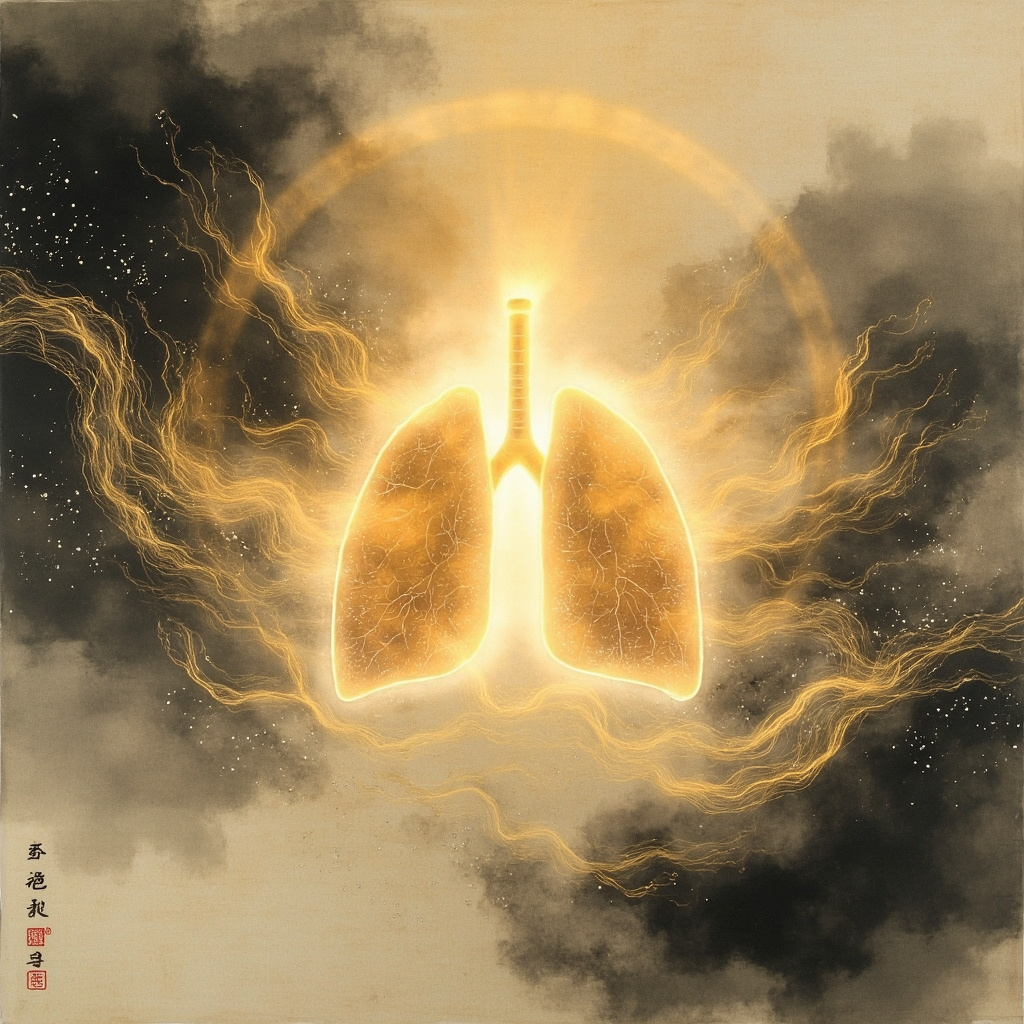
Klebsiella pneumoniae: A Lung Challenger
Klebsiella pneumoniae 1. is a bacterium that mainly affects the lungs. It creates infections like pneumonia by invading lung tissue. Its thick, slimy coating makes it hard to fight. People with weak immunity face higher risks, along with issues in blood or urinary tracts. Symptoms include cough, fever, shortness of breath, and chest pain. For more details, see the glossary.
In Traditional Chinese Medicine (TCM), we view this bacterium as a sign of imbalance in lung qi. The lungs govern breath and protect the body. When qi flow stalls, invaders like this gain ground.
TCM View: Metal Element and Lung Qi
The lungs link to the Metal element in TCM's five elements theory. Metal rules clarity, boundaries, and letting go-like breathing out grief. Klebsiella disrupts this, creating damp-heat in the lungs. Dampness feels heavy, like mucus buildup; heat adds inflammation and fever.
Key signs in TCM:
- Cough with thick phlegm: Dampness blocks clear flow.
- Fever and chills: Heat fights the invader.
- Fatigue: Qi weakens, body tires.
- Chest tightness: Qi stagnation presses the heart-lung space.
Biomarkers from electrical activity scans reveal this. They show energy levels, agitation, and links in the body. Low lung qi might show as weak biomarkers for respiratory structures.
Emotional Links: Fear and Anxiety
Lungs hold fear in TCM. Klebsiella infections stir deep worry-fear of breathing trouble, hospital stays, or long recovery. This creates a cycle: stress weakens immunity, inviting more imbalance.
Anxiety tightens the chest, mimicking lung symptoms. Worry over health drains yin, the cooling, nourishing force. Patients often feel vulnerable, like boundaries are breached.
Healing emotions starts with awareness. Breathing exercises calm the mind, strengthening lung qi.
Klebsiella as a Resource
Even challenges teach. Klebsiella pneumoniae 1. highlights respiratory needs. It guides us to:
- Boost defensive qi (wei qi) for better protection.
- Clear damp-heat with herbs and breath work.
- Balance emotions to support physical recovery.
In sessions, its resonance frequencies tune lung harmony. Guiding words in meditations invite it as an ally for deeper awareness.
Path to Lung Harmony
TCM restores flow step by step:
1. Clear Heat and Damp
Use herbs like Scutellaria (cooling) and Ephedra (opens lungs). Modern studies show formulas like SiHuangQingXinWan reduce inflammation in Klebsiella pneumonia.[1][2]
2. Strengthen Lung Qi
Acupoints like LU7 and BL13 tonify lungs. Acupuncture eases cough, improves oxygen flow.
3. Balance Yin-Yang
Nourish yin with pears, lily bulb. Rest renews energy.
4. Meridian Flow
Lung meridian runs from chest to thumb. Press points daily for qi movement.
5. Emotional Release
Visualize breathing out fear, inhaling strength. This aligns body and mind.
Biomarker insights refine this. If organism_30 shows agitation, target lung meridians. For fear, calm heart-lung links.
Daily Practices for Harmony
- Breath work: Deep belly breaths, 10 minutes daily.
- Diet: Avoid dairy (feeds damp); favor ginger tea.
- Movement: Gentle tai chi opens chest.
- Mindfulness: Note fears, let them pass like clouds.
Recent research backs TCM. Herbs fight resistant strains, reduce symptoms without heavy antibiotics.[3]
Restoring lung harmony frees breath, eases fear. Body, emotions, energy align in natural flow. Listen to your qi-harmony awaits.
相关文章
术语表
- 能量和思维结构 > 氧气
- 能量和思维结构 > 金属
- 能量和思维结构 > 悲伤
- 能量和思维结构 > 停滞
- 能量和思维结构 > 免疫力
- 能量和思维结构 > 经络
- 能量和思维结构 > 克雷伯氏肺炎菌 1.
- 身体区域 > 肺部
- 身体区域 > 呼吸系统
- 身体区域 > 胸部
- 身体区域 > 面部
- 中医食谱 > 咳嗽缓解:缓解胸部紧绷感的简单中医食谱
- 中医食谱 > 平静心灵:焦虑和失眠的疗法
- 中医食谱 > 肺部支持:呼吸健康的中医食谱
- 能量和思维结构 > 运动
- 能量和思维结构 > 压力
- 刺激 > 生姜
- 刺激 > 月亮 - 鼻腔,呼吸,味觉
- 刺激 > 克雷伯氏肺炎杆菌
- 刺激 > 发烧
- 刺激 > 疼痛
- 双耳节拍 > 炎症缓解:通过双耳节拍更快康复
- 刺激 > 和谐
- 刺激 > 血液