


Nörotransmitterler: Ruh hali ve sakinlik için anahtarlar
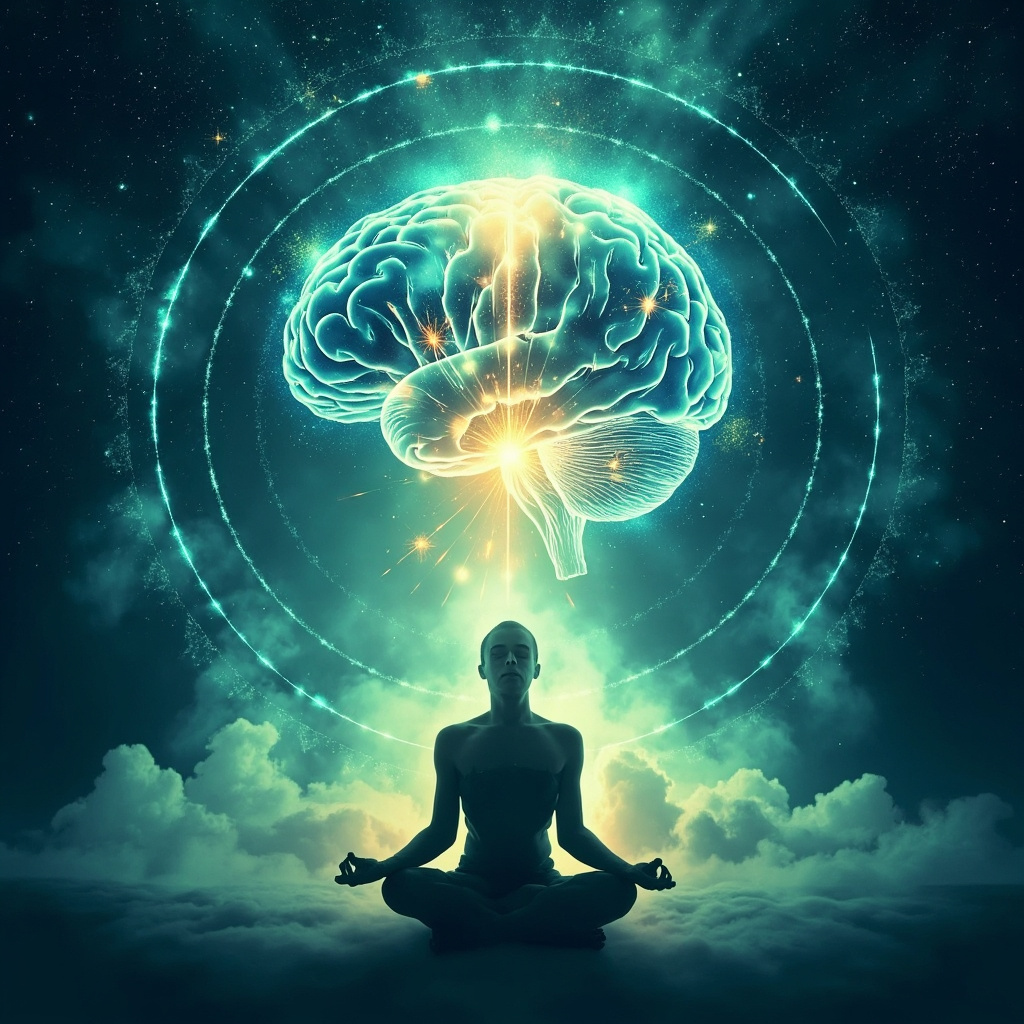
What Are Neurotransmitters?
Neurotransmitters act as chemical messengers in your nervous system, mainly in the brain, spinal cord, and nerve endings. They carry signals between nerve cells across tiny gaps called synapses. When they work well, they help control mood, sleep, hunger, and thinking. For more details, see the neurotransmitters glossary.
Think of them as the brain's postal service, delivering important messages to keep your body and mind in harmony. Key ones include serotonin for stable mood and happiness, dopamine for motivation and pleasure, and GABA for calm and reduced anxiety.
Emotions and Neurotransmitter Balance
Your emotions are closely tied to these messengers. Low serotonin might bring feelings of sadness or worry, while uneven dopamine can sap your drive or joy. Stressful events or unresolved feelings can throw them off, leading to anxiety, low energy, or poor focus.
On the positive side, balanced neurotransmitters support emotional strength. They help you feel steady, motivated, and at peace. As a resource, they prioritize organ health by regulating mood and sleep, easing stress, and boosting pleasure through clear nervous system signals.
Signs of Imbalance
Common signals include:
- Persistent low mood or depression
- High anxiety or restlessness
- Trouble sleeping or constant fatigue
- Lack of motivation or pleasure in daily activities
- Difficulty concentrating
These often link to emotional stress. Addressing root feelings through calm practices can help realign them.
How Meditation Restores Balance
Meditation is a powerful way to support neurotransmitter health. It quiets the mind, lowers stress, and encourages natural chemical shifts. New research shows regular practice raises levels of serotonin and dopamine, helping you feel positive and balanced. For example, studies note higher GABA in meditators, promoting calm without drowsiness.
In focused breathing or mindfulness, your brain shifts to relaxed wave patterns, easing overactive signals. This builds heart rate variability (HRV), a sign of stress resilience, and steadies emotional responses.
As a meditation coach, I track stress biomarkers and HRV to tailor practices. If agitation is high, we use gentle breathwork; for low energy, energizing visualizations.
Practical Meditation Tips
Start simple to nurture your neurotransmitters:
Daily Breath Focus
Sit comfortably, inhale for 4 counts, hold 4, exhale 6. Notice your breath as an anchor. Do 5-10 minutes morning and night. This boosts GABA and calms nerves.
Gratitude Scan
Close eyes, recall three things you're thankful for. Feel warmth in your body. Targets dopamine for motivation.
Body Awareness
Scan from head to toes, releasing tension. Softens stress signals, supporting serotonin flow.
Loving-Kindness Practice
Silently wish well to yourself, then others. Builds emotional connections, balancing messengers.
Aim for 21 days. Track mood shifts; many feel clearer focus and steady joy soon.
Biomarkers for Personal Insight
Your body's electrical activity reveals neurotransmitter energy, agitation, and links. High stress might show low calm signals; we guide attention there in meditation. Use resonance in sessions to harmonize, with words directing focus to priorities or resources.
Long-Term Benefits
Consistent practice rewires for resilience. Expect better sleep, vitality, and relationships. Emotional regulation improves, turning challenges into growth.
Join our community to explore. Meditation meets science for your inner peace.
- 1. reddit.com
- 2. news.harvard.edu
- 3. shutterstock.com
- 4. verywellmind.com
- 5. sciencealert.com
- 6. pubmed.ncbi.nlm.nih.gov
- 7. sciencedaily.com
- 8. istockphoto.com
- 9. thecoachingtoolscompany.com
- 10. scielo.br
- 11. pubmed.ncbi.nlm.nih.gov
- 12. forest-healing.co.uk
- 13. pixabay.com
- 14. wired.com
- 15. pexels.com
- 16. gethealthspan.com
- 17. academic.oup.com
- 18. pngtree.com
- 19. vecteezy.com
- 20. stock.adobe.com
- 21. pubmed.ncbi.nlm.nih.gov
- 22. researchgate.net
- 23. pubmed.ncbi.nlm.nih.gov
- 24. youtube.com
- 25. nature.com
- 26. pubmed.ncbi.nlm.nih.gov
- 27. gettyimages.com
- 28. pmc.ncbi.nlm.nih.gov
- 29. mountsinai.org
- 30. pubmed.ncbi.nlm.nih.gov
- 31. stanfordmag.org
- 32. gethealthspan.com
- 33. psypost.org
- 34. health.harvard.edu
- 35. freepik.com
- 36. gethealthspan.com
- 37. news.vumc.org
- 38. researchsquare.com
- 39. freepik.com
- 40. medicalxpress.com
İlgili gönderiler
Sözlük
- Enerji ve zihin Yapıları > Odaklı Koherens; Odak
- Enerji ve zihin Yapıları > Düzenleme
- Enerji ve zihin Yapıları > Üzüntü
- Enerji ve zihin Yapıları > Barış
- Enerji ve zihin Yapıları > Sürüş
- Enerji ve zihin Yapıları > Zevk
- Vücut bölgeleri > başlık
- Vücut bölgeleri > sinirler
- Vücut bölgeleri > nörotransmitterler
- Vücut bölgeleri > gözler
- TCM Tarifleri > Beyin Güçlendirme: Sisleri Giderin, Dikkatinizi ve Hafızanızı Geliştirin
- Enerji ve zihin Yapıları > uyku
- Enerji ve zihin Yapıları > canlılık
- Enerji ve zihin Yapıları > Theta; 4.31-6.97 Hz. Hafif uyku, meditasyon.
- Enerji ve zihin Yapıları > Stres
- Uyarıcılar > IGF1, Büyüme
- Uyarıcılar > Ay - Burun Geçidi, Nefes Alma, Tat
- Binaural ritimler > Omurilik Desteği: Refahı ve duygusal dengeyi artırın
- Binaural ritimler > Sinir Sistemi: Duygusal Denge ve Rahatlama İçin Bir Program
- Uyarıcılar > Uyum
see also...
- Enerji ve zihin Yapıları > HRV
- Enerji ve zihin Yapıları > Vücut bölgeleri > gözler
- Enerji ve zihin Yapıları > TCM Tarifleri > Enerjiyi artırmak: Düşük enerji ve yorgunluk için basit bir çözüm
- Testimonials > Ses Terapisi ile Mide Bulantısında a ve Baş Ağrısında X Azalma
- Binaural ritimler > Uyarıcılar > Sakral, Çinko vb.
- Binaural ritimler > Transmutasyon: Kişisel Değişim için Bir Ses Yolculuğu