


Obsessive-Compulsive Feelings: Path to Clarity
:## What Are Obsessive-Compulsive Feelings?
Obsessive-compulsive feelings involve unwanted, repeating thoughts that create anxiety, often leading to rituals or actions to ease the worry. These obsessions might be fears of harm, contamination, or doubt, while compulsions are the checks, washes, or counts done to feel better, even if just for a moment. They can trap daily life, making simple tasks feel overwhelming.
In BioCoherence, the obsessive compulsive biomarker (see glossary) measures these patterns from your body's electrical signals. It looks at energy levels, agitation, and connections to other body parts, helping spot when they need attention.
Daily Impact and Common Signs
These feelings affect work, relationships, and rest. Here are key signs:
- Intrusive thoughts: Ideas that pop up uninvited, like 'Did I lock the door?' over and over.
- Time-consuming rituals: Hours spent on handwashing or organizing to quiet the mind.
- Emotional toll: Growing frustration, shame, or exhaustion from the cycle.
- Physical clues: Tense muscles, rapid heartbeat, or poor sleep from constant worry.
Many feel alone, but these are common responses to stress, showing your mind's way of seeking control in uncertainty.
Body-Mind Signals: The Role of Heart Rhythms
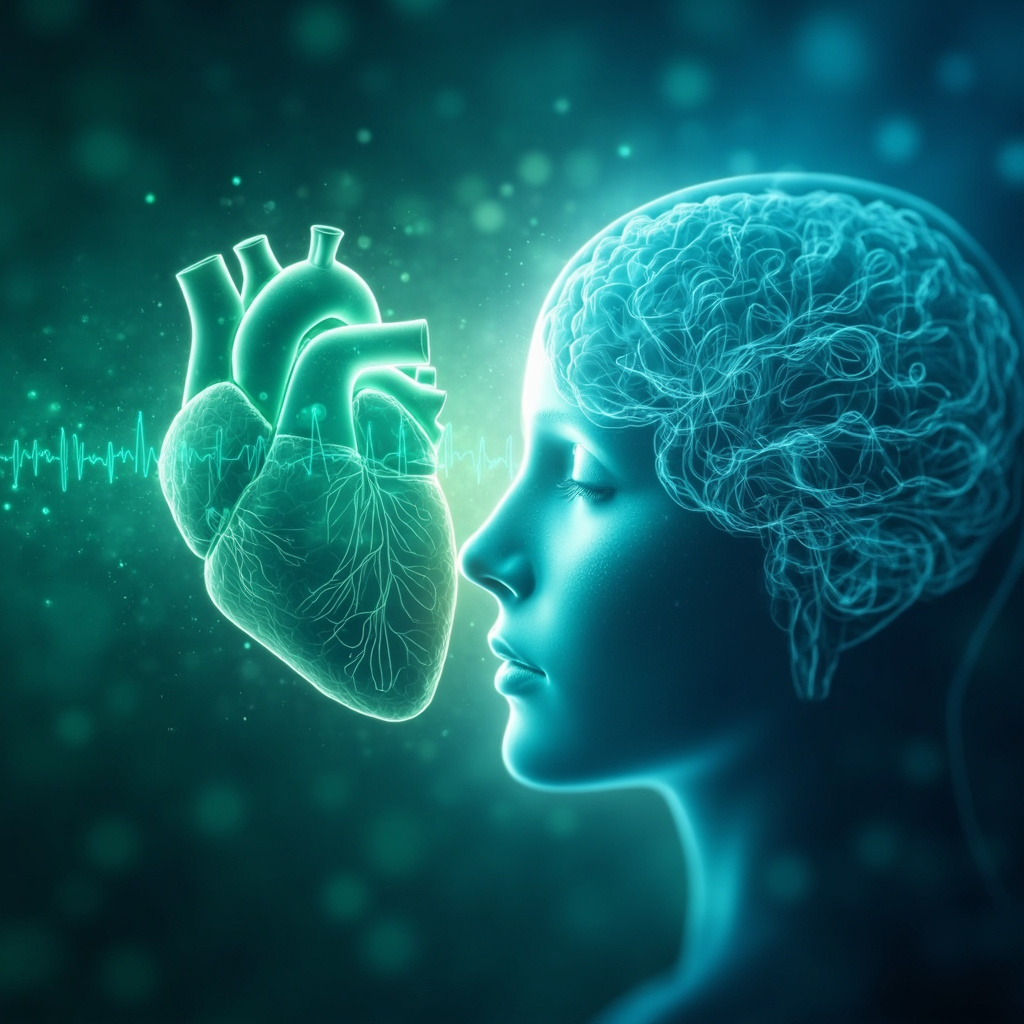
Your body mirrors emotional states through measurable signs. Heart rate variability (HRV) – the natural beat-to-beat changes in your heart – drops in stress or anxiety, linking to poorer emotional control. Recent research shows people with obsessive-compulsive patterns often have lower HRV compared to others, and it even predicts how well treatments work.
High agitation biomarkers tie into this, creating a loop: worry speeds the heart, low variability fuels more worry. Tracking these offers a window into progress, beyond just talking about feelings.
Turning It Into a Resource for Balance
When balanced, this area becomes a strength. It supports redirecting thoughts, building mental clarity, and easing anxiety. As a resource, it aids:
- Thought redirection: Gently shifting focus to the present.
- Emotional steadiness: Reducing the urge for rituals through calm practices.
- Clearer decisions: Freeing energy for creativity and daily flow.
In sessions, specific frequencies target its main resonances to harmonize energy, while guided words invite calm journeys toward it.
Practical Steps from Psychology and Body Awareness
Start with simple tools rooted in emotional regulation:
- Breathing for HRV: Slow breaths – inhale 4 seconds, exhale 6 – boost heart variability and quiet obsessions. Practice 5 minutes daily.
- Mindfulness grounding: Name 5 things you see, 4 you touch, to pull from thought loops.
- Challenge the thought: Ask, 'Is this helpful now?' to weaken its grip.
- Body scans: Notice tension without judgment, linking mind to physical ease.
- Track patterns: Note triggers and wins to see resilience grow.
These align with biofeedback approaches, where real-time heart data guides relaxation. Studies link better HRV to improved outcomes in anxiety therapies.
Measuring Progress Toward Freedom
Watch for shifts: fewer rituals, steadier moods, rising energy. Biomarkers like agitation and stress index improve, showing the body's adaptation. Over time, this builds resilience, turning a challenge into a source of inner strength.
As a psychologist focused on mind-body links, I see these patterns daily. Your electrical signals hold keys to freedom – listen, balance, thrive.
- 1. instagram.com
- 2. x.com
- 3. instagram.com
- 4. researchgate.net
- 5. clinicaltrials.gov
- 6. instagram.com
- 7. nature.com
- 8. facebook.com
- 9. withpower.com
- 10. innsightful.com
- 11. escardio.org
- 12. frontiersin.org
- 13. x.com
- 14. mdpi.com
- 15. x.com
- 16. academic.oup.com
- 17. x.com
- 18. pmc.ncbi.nlm.nih.gov
- 19. link.springer.com
- 20. niagaraneuropsychology.com
- 21. x.com
- 22. pubmed.ncbi.nlm.nih.gov
- 23. instagram.com
- 24. pubmed.ncbi.nlm.nih.gov
- 25. instagram.com