


脳: 精神の制御ミラー
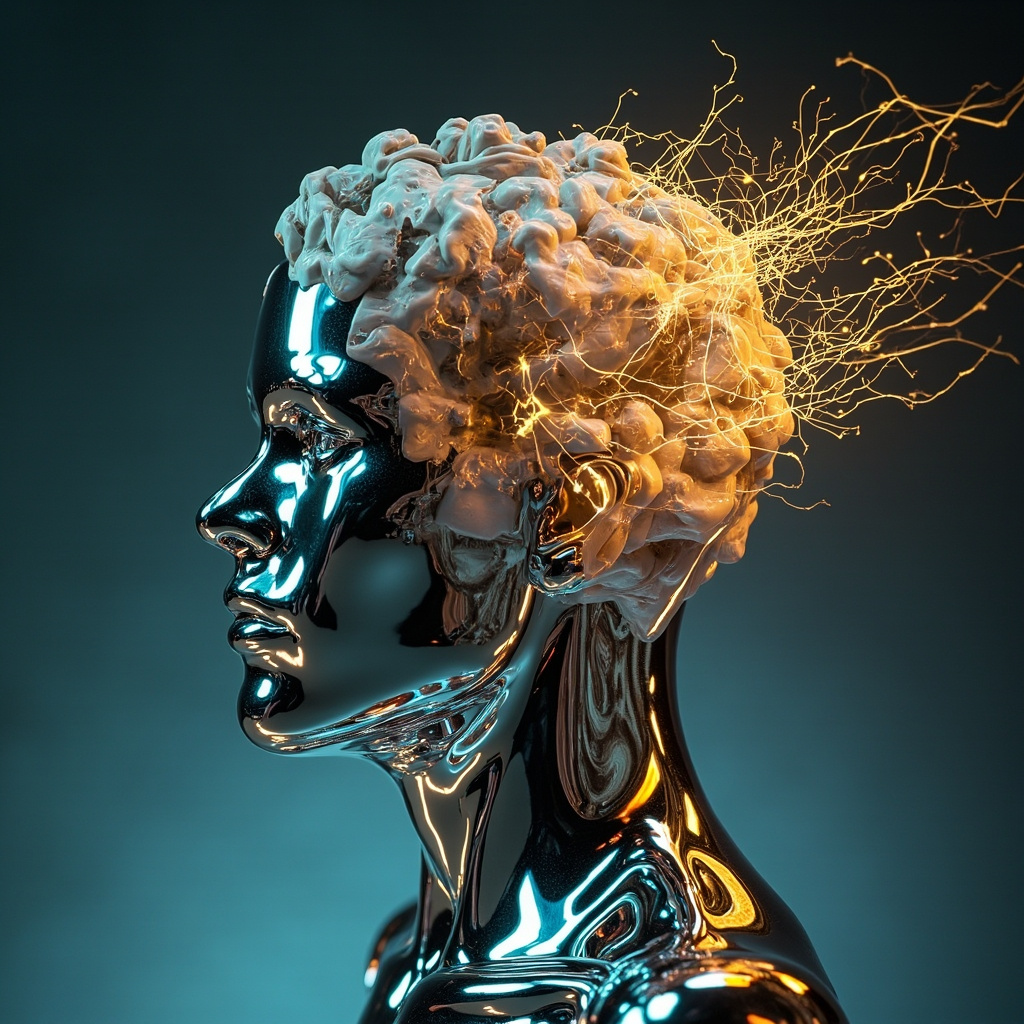
The Brain's Central Role
The brain, nestled within the skull, stands as the core of the nervous system. It oversees thinking, memory, feelings, movement, sight, breath, body temperature, and countless daily functions. When balanced, it sorts sensory inputs, keeps the body in harmony, and supports sharp cognition. Disruptions can spark memory fades, shaky movements, personality shifts, or issues like strokes, seizures, and emotional struggles. For a deeper look, check the glossary: /body/299-brain.
In everyday life, the brain processes the world's chaos into clear actions. It helps you decide on a meal, recall a friend's name, or feel joy in a sunset. Yet, beneath this command lies a deeper story.
Emotional Echoes: Control and Self-Worth
The brain ties closely to emotions around control, choices, and mental strength. Strains here often signal hidden conflicts: feelings of self-devaluation, slipping grip on life, or overwhelm in tough spots. These may stem from threats to your smarts, power to choose, or hold on circumstances.
Emotional pressure and unsolved tensions can show as brain glitches or thought blocks. Imagine doubting your judgment after a failure – that inner critic echoes in brain signals. Recent studies, like one on emotional impulsivity, reveal how high arousal floods the brain, sidelining self-restraint. The right inferior frontal gyrus, key for halting rash acts, gets tuned by stress chemicals, making emotions 'hijack' decisions. This mirrors unconscious battles, where fear or doubt pushes impulsive paths, breeding regret and cycle of distress.
In Jungian terms, these are shadow whispers – repressed parts craving integration. The brain reflects the psyche's push for wholeness amid chaos.
Signs of Imbalance in Daily Life
When the brain flags as strained:
- Decision fog: Choices feel heavy, second-guessed endlessly.
- Emotional surges: Sudden anger or fear overrides calm.
- Mental fatigue: Thoughts scatter, focus wanes.
- Body links: Headaches, sleep woes, or gut twists amplify.
These point to psyche tensions: 'Am I capable?' or 'Can I steer my path?' Unchecked, they risk deeper rifts like anxiety or mood dips.
The Brain as a Guiding Resource
Turned to strength, the brain aids all: it sends nerve signals to sync organs, steady body rhythms, and adapt to stress for full health. Picture it as conductor, harmonizing heart, lungs, and limbs.
In therapy, invite the brain: visualize its steady light calming storms, affirming 'I hold the reins.' Track shifts in energy or calm to see psyche align.
Jungian Paths: Dreams, Shadow, Individuation
As a psychotherapist, I see biomarkers like brain data as mirrors to the unconscious. High agitation? Explore shadow work – face undervalued traits fueling doubt.
Dreams offer clues: a crumbling throne signals control loss; rebuilding it, growth. Pair with active imagination: dialogue the brain as wise ally, easing trauma imprints.
Monitor emotional balance via trends – rising calm marks individuation, self-realization steps. Stress biomarkers link to dream motifs, deepening insight.
For trauma, brain views reveal body-held echoes; symbolic work integrates, fostering transformation.
Steps Toward Harmony
- Reflect daily: Note control doubts, journal psyche ties.
- Dream log: Spot brain themes – command, clarity.
- Breathe deep: Slow arousal, reclaim choice.
- Affirm strength: 'My mind guides true.'
The brain mirrors not just function, but soul's quest for mastery. Honor its signals; embrace the inner voyage to balanced power.
- 1. nature.com
- 2. nytimes.com
- 3. pmc.ncbi.nlm.nih.gov
- 4. apa.org
- 5. americanbrainfoundation.org
- 6. luketobin.com
- 7. sciencealert.com
- 8. cdn.amegroups.cn
- 9. pmc.ncbi.nlm.nih.gov
- 10. pmc.ncbi.nlm.nih.gov
- 11. psychologicalscience.org
- 12. medicine.yale.edu
- 13. ctinsider.com
- 14. news.vt.edu
- 15. sciencedirect.com
- 16. sciencedirect.com
- 17. dialnet.unirioja.es
- 18. uab.edu
- 19. psychologytoday.com
- 20. academyofideas.com
- 21. neurosciencenews.com
- 22. youtube.com
- 23. pmc.ncbi.nlm.nih.gov
- 24. drteralyn.com
- 25. scirp.org
- 26. psychologytoday.com
- 27. my.clevelandclinic.org
- 28. psychology.town
- 29. frontiersin.org
- 30. chmc-dubai.com
- 31. news.berkeley.edu
- 32. medicalxpress.com
- 33. psu.edu
- 34. health.harvard.edu
- 35. pmc.ncbi.nlm.nih.gov
- 36. wholewellnesstherapy.com
- 37. pmc.ncbi.nlm.nih.gov
- 38. onlinelibrary.wiley.com
- 39. sciencedaily.com
- 40. med.stanford.edu
関連投稿
用語集
- エネルギーと心の構造 > 集中コヒーレンス; フォーカス
- エネルギーと心の構造 > メンタル
- エネルギーと心の構造 > メモリ
- 身体ゾーン > 肺
- 身体ゾーン > 脳
- 身体ゾーン > 顔
- エネルギーと心の構造 > 臓器
- 中医学レシピ > 感情のバランス:不安と不眠を和らげるためのTCMガイド
- 中医学レシピ > 心臓の健康:不安と動悸のための療法
- 中医学レシピ > 脳のブースト:霧を晴らし、集中力と思い出を改善する
- エネルギーと心の構造 > 睡眠
- エネルギーと心の構造 > 動き
- エネルギーと心の構造 > 四肢、皮膚
- エネルギーと心の構造 > ストレス
- 刺激 > IGF1、成長
- 刺激 > エイズ
- 刺激 > 発作
- バイノーラルビート > 習得:宇宙エネルギーと統一へのつながりを強化する
- バイノーラルビート > トラウマ治療:感情的バランスのためのバイノーラルビート
- バイノーラルビート > 神経系:感情のバランスとリラクゼーションのためのプログラム
- 刺激 > 調和