


身体ゾーン
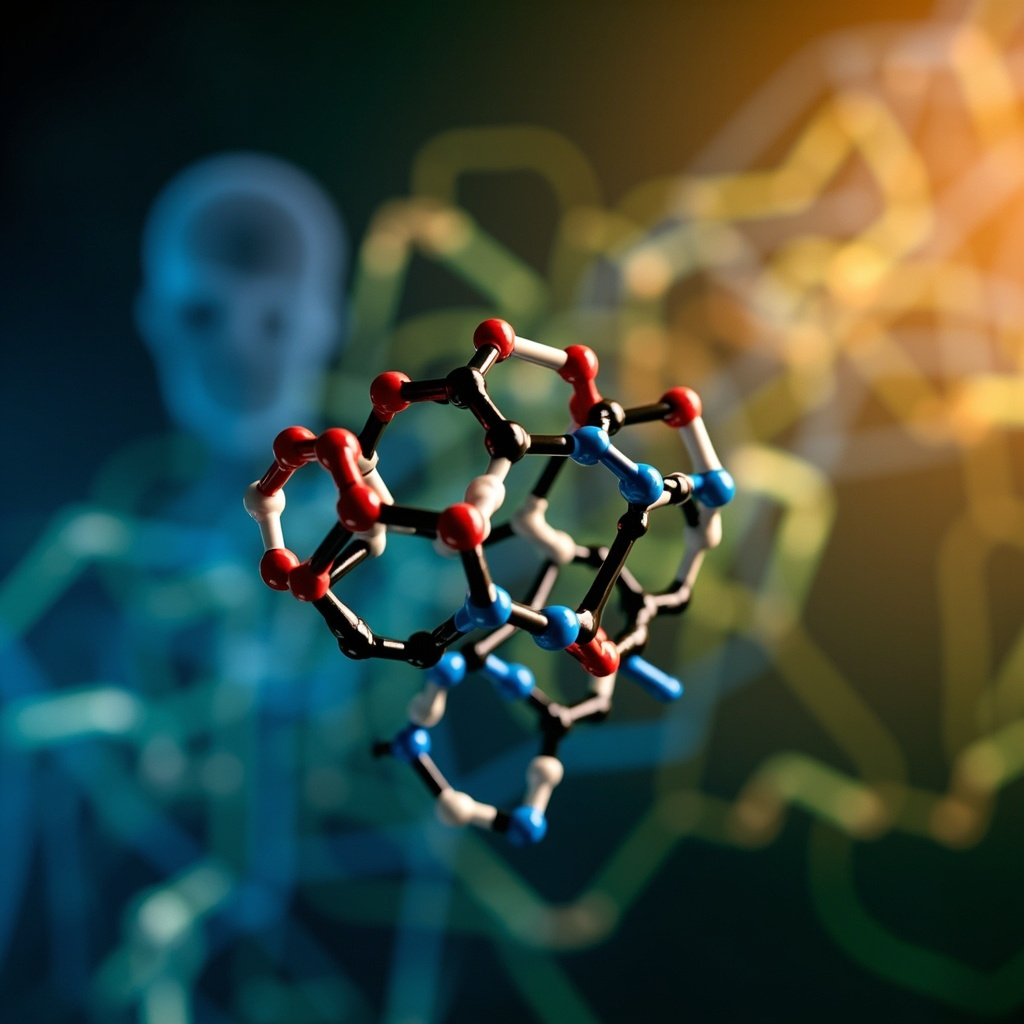
チロシン: タンパク質合成と神経伝達物質の生成に必要な必須アミノ酸
(aminoacids.tyrosine)チロシンは、体内の多くのタンパク質に含まれる非必須アミノ酸です。これはフェニルアラニンから合成され、脳、筋肉、皮膚などの組織に局在しています。チロシンが正常に機能しているとき、ドーパミン、ノルエピネフリン、エピネフリンなどの神経伝達物質や、甲状腺ホルモンなどのホルモンの生成に不可欠です。チロシンの代謝が機能不全に陥ると、ホルモンや色素の合成が disrupted されることから、甲状腺機能低下症、気分障害、白皮症などの状態を引き起こす可能性があります。
チロシンは、重要な神経伝達物質やホルモンの生成をサポートし、気分の調整を強化し、ストレス耐性を改善し、優先される臓器のエネルギーバランスを促進することで役立ちます。
生物学的デコーディングにおいて、チロシン(アミノ酸)は感情やストレス、プレッシャーの感覚に関連しています。機能不全や欠乏は、ストレスに対処する能力の欠如と関連している可能性があり、不安、抑鬱、低エネルギーレベルを引き起こすことがあります。これは、未解決の対立や長期にわたる感情的な緊張から生じることがあります。
Tyrosine is a non-essential amino acid synthesized from phenylalanine, playing a pivotal role in the production of key neurotransmitters such as dopamine, norepinephrine, and epinephrine, as well as thyroid hormones. These compounds are essential for regulating mood, stress responses, and metabolic functions, thereby significantly influencing both mental and physical health. Tyrosine's synthesis occurs primarily in the brain, muscles, and skin, highlighting its systemic connections across various organs. Adequate levels of tyrosine contribute to enhanced energy, vitality, and resilience, supporting the body's ability to adapt to stress and maintain optimal functioning. Moreover, its association with emotional well-being is critical; deficiencies may lead to increased anxiety, depression, and diminished energy levels, often stemming from unresolved emotional conflicts. By promoting neurotransmitter balance and hormonal regulation, tyrosine facilitates better coping mechanisms and emotional stability, ultimately enhancing overall well-being. Understanding tyrosine's role can empower individuals to support their mental and physical health through dietary choices and lifestyle modifications.
In BioCoherence, find the organ biomarkers and structures in Analyze > Body > Organs maps.
To comment, subscribe to the newsletter and get exclusive BioCoherence offers, please create a free account
Legal page
Website (c) 2026 Coherence Labs; contents (c) their respective authors.
免責事項 BioCoherenceは、学術的分析とエネルギー的および実験的分析の両方を提供します。
表示される情報は、システムの物理的状態と相関している場合もあれば、そうでない場合もあります。
計算は、個々の測定値と実験アルゴリズムに基づいています。
エネルギーレベル、エントロピーレベル、コヒーレントシステムなど、すべての計算結果は、医療目的ではなく、個人の発展に役立つ情報を提供するように設計されています。すべての結果の使用は、ユーザーの単独の責任において行われます。疑問がある場合は、医師に相談することが重要です。使用を決定する前に、私たちのEULAを確認してください。