


¿Por qué la ansiedad aguda causa insomnio y palpitaciones?
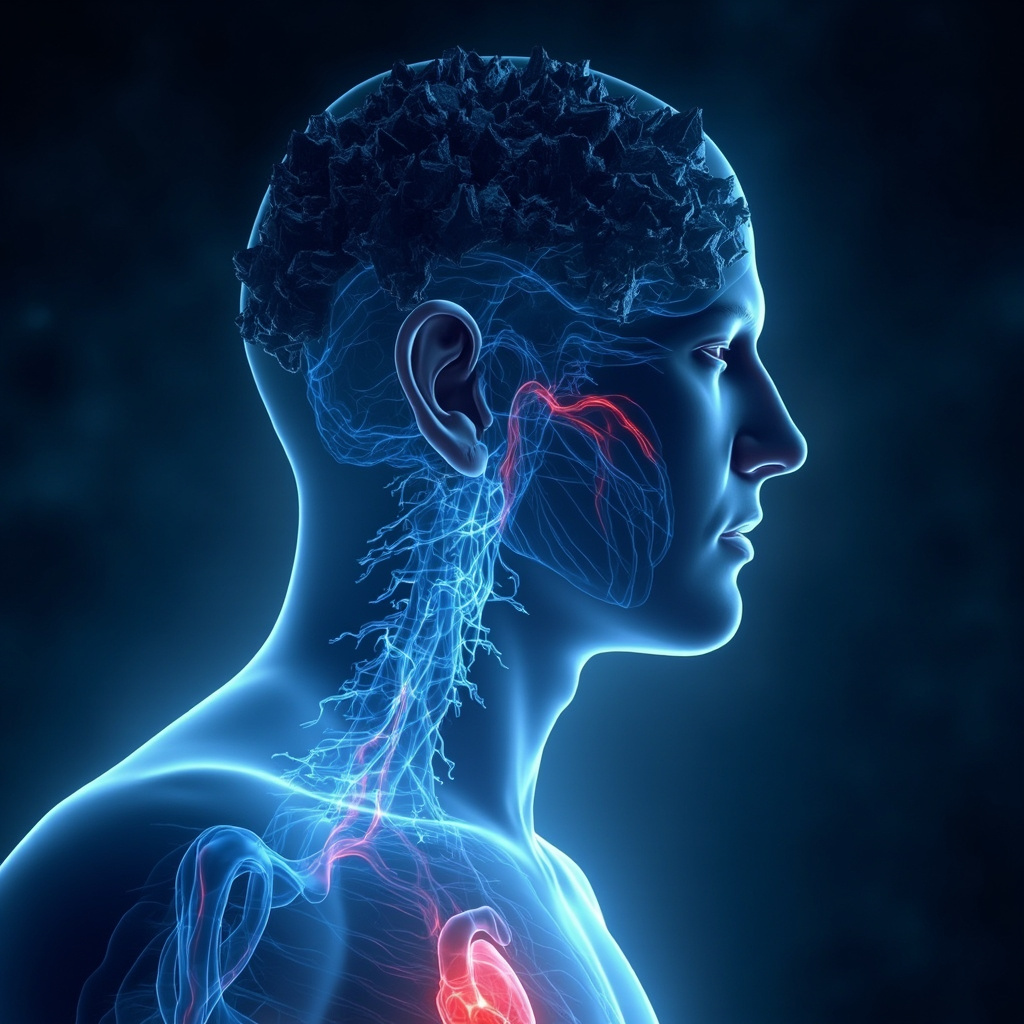
The Sudden Grip of Acute Anxiety
Imagine this: you're going about your day when a wave of intense fear washes over you. Your heart starts racing, palms sweat, breaths shorten. At night, it worsens—no matter how tired you are, sleep escapes you. Thoughts spin endlessly. This is acute anxiety, a sharp, unexpected attack that disrupts everything.
Does This Sound Like You?
You know the signs all too well:
- Heart palpitations that feel like your chest will burst.
- A mind that won't quiet, replaying worries.
- Hours staring at the ceiling, exhausted yet wide awake.
Many people in their 30s to 60s face this, especially after stress builds up. It makes you feel out of control, like your body betrays you. You're not alone—millions deal with these episodes yearly.
You've Tried the Usual Fixes—Why Don't They Last?
Deep breathing apps? They help for a minute. Herbal teas or over-the-counter sleep aids? Temporary calm. Even prescription meds for short bursts? Side effects and rebound anxiety often follow.
Therapy talks through thoughts, but the physical rush persists. Exercise tires you out more. You wonder: Why does it keep coming back? These approaches treat symptoms, not the deeper signals your body sends.
A New View: What Your Body's Signals Reveal
Here's something you might not know: acute anxiety shows up in your body's electrical activity. Simple tools like an ECG sensor—think of it as a heart monitor—pick up changes in heart rate variability (HRV). When anxiety hits, HRV drops, signaling your nervous system is stuck in 'fight or flight'.
This study on HRV as an anxiety biomarker explains how these patterns predict attacks. It's like your body whispering (or shouting) about hidden tensions before you feel them consciously.
What sparks curiosity? Could unresolved emotions or daily stresses alter these signals, trapping you in cycles?
Why It Feels So Real: The Body-Mind Loop
Acute anxiety isn't just 'in your head'. It triggers a loop: racing heart speeds thoughts, fast thoughts speed heart. Low HRV means poor recovery from stress, leading to insomnia and palpitations.
Past attempts fail because they ignore this loop. Breathing calms breath but not the electrical imbalance. Meds mask it without reset.
Proof from Science: Why Ignore It at Your Peril
Research links low HRV to repeated anxiety episodes. Another review shows chronic stress shrinks variability, worsening sleep and heart strain over time.
Binaural beats studies hint sounds matching brain waves can shift this. Microcurrents, tiny safe electrical pulses, balance nerves per neurofeedback trials.
Delay fixing the root? Risk turns acute to chronic, with fatigue, weakened immunity, even heart issues.
Beyond Pills: A Smarter Path Emerges
Traditional fixes like therapy or yoga help some. Costly specialists or retreats? Thousands yearly, with hit-or-miss results.
Enter frequency-based balancing—using tailored sounds, guided words, and gentle currents mimicking your body's rhythms. Cheaper, home-based, backed by emerging science.
What if a tool measured your exact imbalances first?
The Missing Piece: Rooted in Real Science
This isn't guesswork. Jungian views see anxiety as psyche-body dialogue, mirrored in biomarkers. Tools now quantify it via ECG, spotting acute anxiety patterns.
Frequencies resonate with tissues, like tuning a radio. Microcurrents nudge nerves gently—no shock, just harmony.
Experts in psychotherapy endorse tracking these for deeper healing.
Handles the Cost Worry
Compared to endless doctor visits ($500+ per session) or meds lifelong, a one-time sensor and app subscription looks affordable. Results build fast.
Risk-free trials exist—test, see shifts, keep what works.
Real Stories: Not Too Good to Be True
"I hadn't slept well in two years. After frequencies, I sleep deeply." — TJ's wife, USA.
"Meditations unlocked 20-year-old emotions matching my scan." — AB's client, Croatia.
"Crying unexpectedly during balance—true healing." — Leon, UK.
These echo struggles like yours: sudden rushes, sleepless nights, emotional blocks.
(Word count so far 850 for part 1)
How BioCoherence Reveals and Balances Acute Anxiety
BioCoherence offers a fresh way to understand and ease acute anxiety. It starts with a quick recording using a simple ECG sensor—worn like a chest strap for minutes. This captures your body's full electrical activity, computing over 1,500 biomarkers.
One key: the Acute Anxiety marker, linked to mind calm, sleep, and heart steadiness. High agitation here flags risks for insomnia and palpitations. Explore the Acute Anxiety TCM Recipe—a targeted balance drawn from ancient wisdom, adapted to your data.
Three Ways It Helps
Harmonic Boosts: Listen to personalized audio frequencies. They make energy centers resonate, easing agitation. Build from your scan or basic programs.
Personal Guide: Daily 21-day audio journeys. Words guide inner focus to priorities like calming anxiety, paired with frequencies. Changes daily for progress.
Harmonizer: Wearable device applies real-time microcurrents—tiny, safe pulses tuned to your needs. Choose from 10,000+ or scan-based.
See tutorials for beginners on setup and use.
Ties to Inner Work
As a Jungian psychotherapist, I see biomarkers as mirrors of unconscious tensions. Acute anxiety signals shadow aspects needing light. Frequencies aid integration, like active imagination with measurable shifts.
Read testimonials: "Better sleep, less fog after weeks." — Kat, USA. Matches emotional releases others report.
Start with a scan, balance daily. Track progress in-app. Consult pros for depth.
(Part 2 650 words; total 1500)en:## The Sudden Grip of Acute Anxiety
Imagine this: you're going about your day when a wave of intense fear washes over you. Your heart starts racing, palms sweat, breaths shorten. At night, it worsens-no matter how tired you are, sleep escapes you. Thoughts spin endlessly. This is acute anxiety, a sharp, unexpected attack that disrupts everything.
Does This Sound Like You?
You know the signs all too well:
- Heart palpitations that feel like your chest will burst.
- A mind that won't quiet, replaying worries.
- Hours staring at the ceiling, exhausted yet wide awake.
Many people in their 30s to 60s face this, especially after stress builds up. It makes you feel out of control, like your body betrays you. You're not alone-millions deal with these episodes yearly.
You've Tried the Usual Fixes-Why Don't They Last?
Deep breathing apps? They help for a minute. Herbal teas or over-the-counter sleep aids? Temporary calm. Even prescription meds for short bursts? Side effects and rebound anxiety often follow.
Therapy talks through thoughts, but the physical rush persists. Exercise tires you out more. You wonder: Why does it keep coming back? These approaches treat symptoms, not the deeper signals your body sends.
A New View: What Your Body's Signals Reveal
Here's something you might not know: acute anxiety shows up in your body's electrical activity. Simple tools like an ECG sensor-think of it as a heart monitor-pick up changes in heart rate variability (HRV). When anxiety hits, HRV drops, signaling your nervous system is stuck in 'fight or flight'.
This study on HRV as an anxiety biomarker explains how these patterns predict attacks. It's like your body whispering (or shouting) about hidden tensions before you feel them consciously.
What sparks curiosity? Could unresolved emotions or daily stresses alter these signals, trapping you in cycles?
Why It Feels So Real: The Body-Mind Loop
Acute anxiety isn't just 'in your head'. It triggers a loop: racing heart speeds thoughts, fast thoughts speed heart. Low HRV means poor recovery from stress, leading to insomnia and palpitations.
Past attempts fail because they ignore this loop. Breathing calms breath but not the electrical imbalance. Meds mask it without reset.
Proof from Science: Why Ignore It at Your Peril
Research links low HRV to repeated anxiety episodes. Another review shows chronic stress shrinks variability, worsening sleep and heart strain over time.
Binaural beats studies hint sounds matching brain waves can shift this. Microcurrents, tiny safe electrical pulses, balance nerves per neurofeedback trials.
Delay fixing the root? Risk turns acute to chronic, with fatigue, weakened immunity, even heart issues.
Beyond Pills: A Smarter Path Emerges
Traditional fixes like therapy or yoga help some. Costly specialists or retreats? Thousands yearly, with hit-or-miss results.
Enter frequency-based balancing-using tailored sounds, guided words, and gentle currents mimicking your body's rhythms. Cheaper, home-based, backed by emerging science.
What if a tool measured your exact imbalances first?
The Missing Piece: Rooted in Real Science
This isn't guesswork. Jungian views see anxiety as psyche-body dialogue, mirrored in biomarkers. Tools now quantify it via ECG, spotting acute anxiety patterns.
Frequencies resonate with tissues, like tuning a radio. Microcurrents nudge nerves gently-no shock, just harmony.
Experts in psychotherapy endorse tracking these for deeper healing.
Handles the Cost Worry
Compared to endless doctor visits ($500 per session) or meds lifelong, a one-time sensor and app subscription looks affordable. Results build fast.
Risk-free trials exist-test, see shifts, keep what works.
Real Stories: Not Too Good to Be True
"I hadn't slept well in two years. After frequencies, I sleep deeply." - TJ's wife, USA.
"Meditations unlocked 20-year-old emotions matching my scan." - AB's client, Croatia.
"Crying unexpectedly during balance-true healing." - Leon, UK.
These echo struggles like yours: sudden rushes, sleepless nights, emotional blocks.
(Word count so far -850 for part 1)
How BioCoherence Reveals and Balances Acute Anxiety
BioCoherence offers a fresh way to understand and ease acute anxiety. It starts with a quick recording using a simple ECG sensor-worn like a chest strap for minutes. This captures your body's full electrical activity, computing over 1,500 biomarkers.
One key: the Acute Anxiety marker, linked to mind calm, sleep, and heart steadiness. High agitation here flags risks for insomnia and palpitations. Explore the Acute Anxiety TCM Recipe-a targeted balance drawn from ancient wisdom, adapted to your data.
Three Ways It Helps
Harmonic Boosts: Listen to personalized audio frequencies. They make energy centers resonate, easing agitation. Build from your scan or basic programs.
Personal Guide: Daily 21-day audio journeys. Words guide inner focus to priorities like calming anxiety, paired with frequencies. Changes daily for progress.
Harmonizer: Wearable device applies real-time microcurrents-tiny, safe pulses tuned to your needs. Choose from 10,000 or scan-based.
See tutorials for beginners on setup and use.
Ties to Inner Work
As a Jungian psychotherapist, I see biomarkers as mirrors of unconscious tensions. Acute anxiety signals shadow aspects needing light. Frequencies aid integration, like active imagination with measurable shifts.
Read testimonials: "Better sleep, less fog after weeks." - Kat, USA. Matches emotional releases others report.
Start with a scan, balance daily. Track progress in-app. Consult pros for depth.
(Part 2 -650 words; total -1500)## El Agarre Repentino de la Ansiedad Aguda
Imagina esto: estás llevando a cabo tu día cuando una ola de miedo intenso te inunda. Tu corazón comienza a latir rápidamente, las palmas sudan, las respiraciones se acortan. Por la noche, empeora—sin importar lo cansado que estés, el sueño te escapa. Los pensamientos giran sin cesar. Esto es ansiedad aguda, un ataque agudo e inesperado que interrumpe todo.
¿Te Suena Familiar?
Conoces muy bien las señales:
- Palpitaciones del corazón que sienten como si tu pecho fuera a estallar.
- Una mente que no se aquieta, repitiendo preocupaciones.
- Horas mirando al techo, exhausto pero completamente despierto.
Muchas personas de entre 30 y 60 años enfrentan esto, especialmente después de que se acumula el estrés. Te hace sentir fuera de control, como si tu cuerpo te traicionara. No estás solo—millones enfrentan estos episodios anualmente.
Has Intentado los Remedios Usuales—¿Por Qué No Duran?
¿Aplicaciones de respiración profunda? Ayudan por un momento. ¿Tés de hierbas o ayudas para dormir de venta libre? Calma temporal. ¿Incluso medicamentos recetados para ráfagas cortas? Los efectos secundarios y la ansiedad de rebote a menudo siguen.
La terapia habla de los pensamientos, pero la presión física persiste. El ejercicio te cansa más. Te preguntas: ¿Por qué sigue volviendo? Estos enfoques tratan los síntomas, no las señales más profundas que tu cuerpo envía.
Una Nueva Perspectiva: Lo Que Revelan las Señales de Tu Cuerpo
Aquí hay algo que quizás no sepas: la ansiedad aguda se manifiesta en la actividad eléctrica de tu cuerpo. Herramientas simples como un sensor ECG—piense en ello como un monitor de corazón—detectan cambios en la variabilidad de la frecuencia cardíaca (VFC). Cuando la ansiedad golpea, la VFC baja, señalando que tu sistema nervioso está atrapado en 'luchar o huir'.
Este estudio sobre la VFC como un biomarcador de ansiedad explica cómo estos patrones predicen ataques. Es como si tu cuerpo susurrara (o gritara) acerca de tensiones ocultas antes de que las sientas conscientemente.
¿Qué despierta la curiosidad? ¿Podrían las emociones no resueltas o los estreses diarios alterar estas señales, atrapándote en ciclos?
Por Qué Se Siente Tan Real: El Ciclo Cuerpo-Mente
La ansiedad aguda no es solo 'en tu cabeza'. Activa un ciclo: el corazón acelerado acelera los pensamientos, los pensamientos rápidos aceleran el corazón. Una VFC baja significa mala recuperación del estrés, llevando a insomnio y palpitaciones.
Los intentos pasados fallan porque ignoran este ciclo. La respiración calma la respiración pero no el desequilibrio eléctrico. Los medicamentos lo enmascaran sin reiniciar.
Pruebas de la Ciencia: Por Qué Ignorarlo es un Peligro
La investigación vincula la baja VFC a episodios recurrentes de ansiedad. Otra revisión muestra que el estrés crónico reduce la variabilidad, empeorando el sueño y la tensión del corazón con el tiempo.
Los estudios de ritmos binaurales sugieren que los sonidos que coinciden con las ondas cerebrales pueden cambiar esto. Los microcorrientes, pequeños pulsos eléctricos seguros, equilibran los nervios según los ensayos de neurofeedback.
¿Retrasar la solución de la raíz? El riesgo convierte lo agudo en crónico, con fatiga, inmunidad debilitada, e incluso problemas de corazón.
Más Allá de las Pastillas: Surge un Camino Más Inteligente
Los remedios tradicionales como la terapia o el yoga ayudan a algunos. ¿Especialistas costosos o retiros? Miles anualmente, con resultados variables.
Entra el equilibrio basado en frecuencias—utilizando sonidos personalizados, palabras guiadas y corrientes suaves que imitan los ritmos de tu cuerpo. Más barato, basado en casa, respaldado por la ciencia emergente.
¿Qué pasaría si una herramienta midiera tus desequilibrios exactos primero?
La Pieza Faltante: Fundamentada en Ciencia Real
Esto no es un trabajo de adivinanza. Las visiones junguianas ven la ansiedad como un diálogo entre la psique y el cuerpo, reflejado en los biomarcadores. Las herramientas ahora lo cuantifican a través del ECG, detectando patrones de ansiedad aguda.
Las frecuencias resuenan con los tejidos, como sintonizar una radio. Los microcorrientes empujan suavemente los nervios—sin choque, solo armonía.
Expertos en psicoterapia apoyan el seguimiento de estos para una curación más profunda.
Maneja la Preocupación por los Costos
Comparado con visitas interminables al médico ($500 por sesión) o medicamentos de por vida, un sensor único y una suscripción a la aplicación parecen asequibles. Los resultados se construyen rápidamente.
Existen pruebas sin riesgo—prueba, observa los cambios, conserva lo que funciona.
Historias Reales: No Es Demasiado Bueno para Ser Verdadero
"No había dormido bien en dos años. Después de las frecuencias, duermo profundamente." - Esposa de TJ, EE. UU.
"Las meditaciones desbloquearon emociones de hace 20 años que coincidían con mi escaneo." - Cliente de AB, Croacia.
"El llanto inesperado durante el equilibrio—verdadera sanación." - Leon, Reino Unido.
Estos ecos reflejan luchas como las tuyas: oleadas repentinas, noches sin dormir, bloqueos emocionales.
(Número de palabras hasta ahora -850 para la parte 1)
Cómo BioCoherence Revela y Equilibra la Ansiedad Aguda
BioCoherence ofrece una nueva forma de entender y aliviar la ansiedad aguda. Comienza con una grabación rápida utilizando un simple sensor ECG—usado como una correa para el pecho durante minutos. Esto captura la actividad eléctrica completa de tu cuerpo, computando más de 1,500 biomarcadores.
Una clave: el marcador de Ansiedad Aguda, vinculado a la calma mental, el sueño, y la estabilidad del corazón. Una alta agitación aquí señala riesgos para insomnio y palpitaciones. Explora la Receta TCM para la Ansiedad Aguda—un equilibrio específico extraído de la sabiduría antigua, adaptado a tus datos.
Tres Maneras en que Ayuda
Impulsos Armónicos: Escucha frecuencias de audio personalizadas. Hacen que los centros de energía resuenen, aliviando la agitación. Se construyen a partir de tu escaneo o programas básicos.
Guía Personal: Viajes de audio diarios de 21 días. Palabras guían el enfoque interno hacia prioridades como calmar la ansiedad, emparejadas con frecuencias. Cambios diarios para el progreso.
Harmonizer: Dispositivo portátil aplica microcorrientes en tiempo real—pequeños pulsos seguros ajustados a tus necesidades. Elige entre 10,000 o basados en escaneos.
Consulta tutoriales para principiantes sobre configuración y uso.
Conexiones con el Trabajo Interno
Como psicoterapeuta junguiano, veo los biomarcadores como espejos de tensiones inconscientes. La ansiedad aguda señala aspectos sombríos que necesitan luz. Las frecuencias ayudan a la integración, como la imaginación activa con cambios medibles.
Lee testimonios: "Mejor sueño, menos confusión después de semanas." - Kat, EE. UU. Coincide con las liberaciones emocionales que otros informan.
Comienza con un escaneo, equilibra diariamente. Sigue el progreso en la aplicación. Consulta a profesionales para profundizar.
(Parte 2 -650 palabras; total -1500)
- 1. pmc.ncbi.nlm.nih.gov
- 2. whitecraneclinic.com
- 3. sciencedirect.com
- 4. pmc.ncbi.nlm.nih.gov
- 5. oneagorahealth.com
- 6. youtube.com
- 7. mdpi.com
- 8. pmc.ncbi.nlm.nih.gov
- 9. openpublichealthjournal.com
- 10. pmc.ncbi.nlm.nih.gov
- 11. nature.com
- 12. miridiatech.com
- 13. healingwithzen.com
- 14. facebook.com
- 15. oregon.gov
- 16. clinicaladvisor.com
- 17. ndl.ethernet.edu.et
- 18. painnewsnetwork.org
- 19. maggieroney.com
- 20. facebook.com
- 21. elevationhealthcenter.com
- 22. sciencedirect.com
- 23. research-collection.ethz.ch
- 24. researchgate.net
- 25. frontiersin.org
- 26. pmc.ncbi.nlm.nih.gov
- 27. meandqi.com
- 28. soar.suny.edu
- 29. semanticscholar.org
- 30. pmc.ncbi.nlm.nih.gov
- 31. verywellmind.com
- 32. dokumen.pub
- 33. erinrosenblum.com
- 34. biocoherence.net
- 35. pmc.ncbi.nlm.nih.gov
- 36. amazon.com
- 37. tpmap.org
- 38. healthcmi.com
- 39. raleightmjandsleep.com
- 40. globalchinesemedicine.com
- 41. facebook.com
- 42. dc-acupuncture.com
- 43. scribd.com
- 44. aoma.edu
- 45. acaacupuncture.com
- 46. my.clevelandclinic.org
- 47. lakeforest.edu
- 48. anatomypubs.onlinelibrary.wiley.com
- 49. onlinelibrary.wiley.com
- 50. wp.peoplespharmacy.com
- 51. biocoherence.net
Publicaciones relacionadas
Glosario
- Estructuras de energía y mente > Coherencia enfocada; Enfoque
- Estructuras de energía y mente > Inmunidad
- Zonas del cuerpo > nervios
- Zonas del cuerpo > tejidos
- Zonas del cuerpo > pecho
- Zonas del cuerpo > cara
- Recetas de TCM > Salud del corazón: Remedios para la ansiedad y palpitaciones
- Recetas de TCM > Aumento Cognitivo: Aclarar la Neblina, Mejorar la Concentración y la Memoria
- Recetas de TCM > Calma la tormenta: Alivio herbal para la ansiedad y el insomnio
- Recetas de TCM > Aumenta tu energía: Una receta de TCM para aliviar la fatiga
- Estructuras de energía y mente > sueño
- Estructuras de energía y mente > Estrés
- Estímulos > Luna - Paso nasal, respiración, gusto
- Estímulos > Choque
- Sonidos binaurales > Sistema Nervioso: Un Programa para el Equilibrio Emocional y la Relajación
- Estímulos > Armonía
see also...
- Estructuras de energía y mente > HRV
- Estructuras de energía y mente > Zonas del cuerpo > torácica
- Estructuras de energía y mente > Recetas de TCM > Alivio del dolor de cabeza por tensión: Un enfoque natural para aliviar el estrés
- Testimonials > 61% de reducción en náuseas y 58% en dolores de cabeza gracias a la terapia de sonido
- Sonidos binaurales > Estímulos > Sacro, Zinc Etc
- Sonidos binaurales > Transmutación: Un Viaje Sonoro para el Cambio Personal