


Estructuras de energía y mente
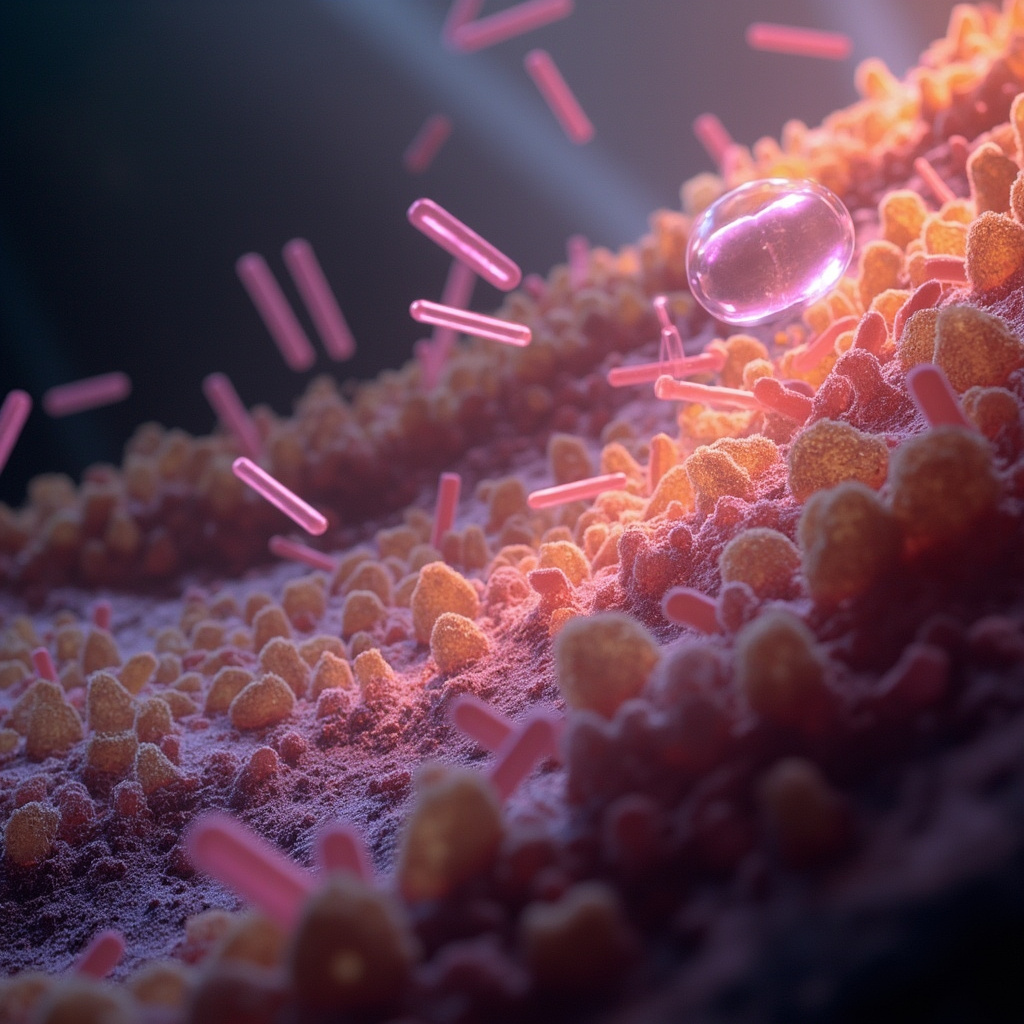
Escherichia coli: Causa molestias intestinales y daño por toxinas.
La Escherichia coli causa principalmente molestias gastrointestinales, afectando a los intestinos al producir toxinas que dañan el revestimiento y alteran el funcionamiento normal.
La Escherichia coli, cuando no está en equilibrio, puede evocar sentimientos de malestar, ansiedad y angustia debido a su asociación con las infecciones y la enfermedad. Los desequilibrios pueden provocar síntomas como dolor abdominal, diarrea e infecciones del tracto urinario, que pueden causar estrés emocional y una sensación de vulnerabilidad. También puede haber miedo o preocupación por las implicaciones para la salud y la necesidad de una intervención médica.
Escherichia coli (E. coli) is a type of bacteria commonly found in the intestines, playing a crucial role in digestion and gut health. When functioning harmoniously, it aids in nutrient absorption and the synthesis of essential vitamins, contributing to overall physical vitality and mental clarity. However, pathogenic strains can lead to gastrointestinal distress, producing toxins that damage intestinal lining, disrupt digestion, and trigger systemic inflammation. This disruption not only affects nutrient uptake but can also have emotional repercussions, manifesting as anxiety and discomfort, which may influence mental well-being. E. coli interacts closely with the gut-brain axis, a critical pathway linking gut health with emotional states, highlighting the importance of a balanced microbiome for resilience and mood regulation. Maintaining healthy E. coli levels supports energetic equilibrium, promoting resilience against stress and enhancing overall well-being. Ensuring a balanced intestinal flora through diet, probiotics, and lifestyle can fortify the body's defenses, improving energy levels and fostering a sense of well-being that resonates throughout both the body and mind.
In BioCoherence, find the biomarkers in the Analysis screens.
To comment, subscribe to the newsletter and get exclusive BioCoherence offers, please create a free account
Legal page
Website (c) 2026 Coherence Labs; contents (c) their respective authors.
Aviso Legal BioCoherence proporciona tanto un análisis académico como un análisis energético y experimental. La información mostrada puede o no estar correlacionada con el estado físico de los sistemas. Los cálculos se basan en mediciones individuales y algoritmos experimentales. Todos los resultados calculados como niveles de energía, niveles de entropía y sistemas coherentes están diseñados para proporcionar información útil para el desarrollo personal, no para fines médicos. El uso de todos los resultados está bajo la única responsabilidad del usuario. En caso de duda, es importante consultar a un médico. Por favor, verifique nuestro EULA antes de decidir el uso del software.