


Virtual Reality Mindfulness Enhances Heart Rate Variability and Emotional Regulation in Children: New Research Highlights
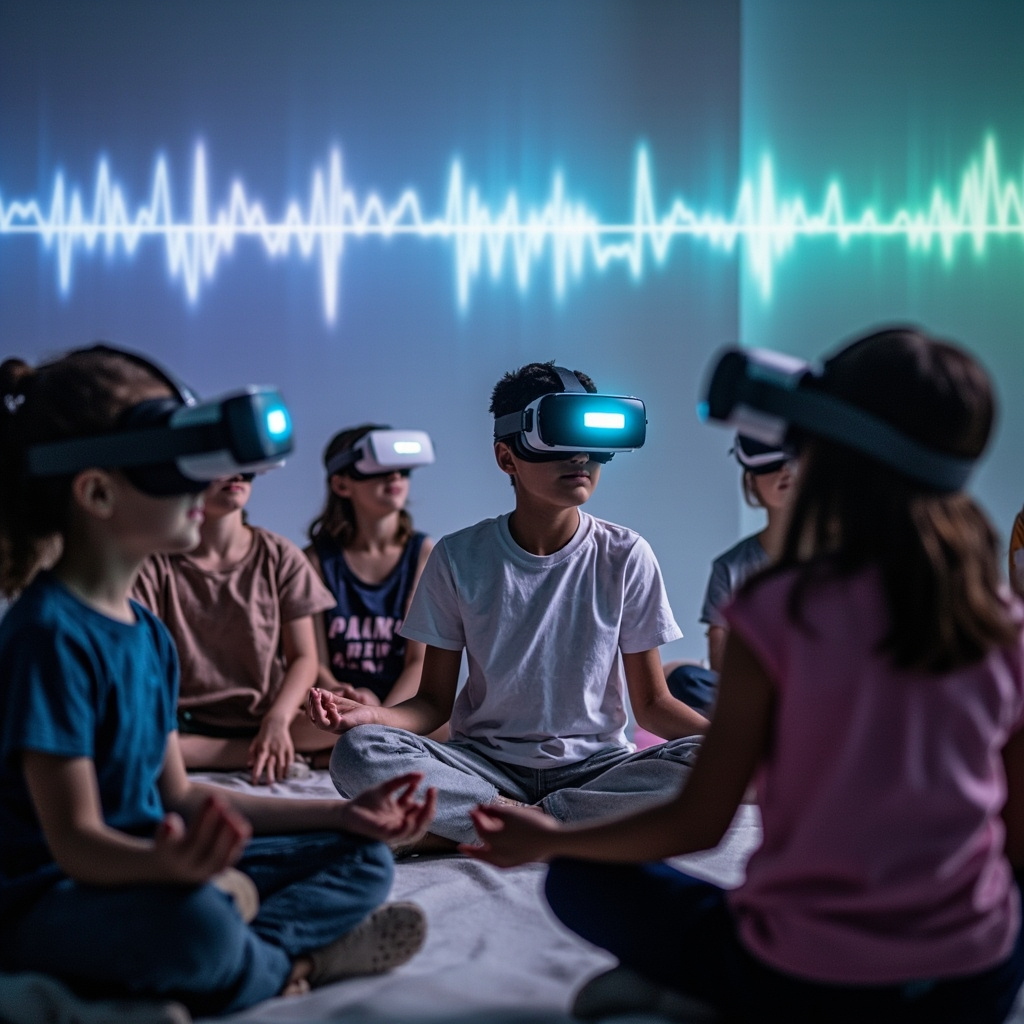
A New Approach to Children's Emotional and Physiological Health
Recent research has explored how virtual reality (VR) can make mindfulness practices more accessible and effective for children. In a study published on January 3, 2026, scientists examined a short VR-based mindfulness program with 127 children aged 9 to 12 years. The findings show clear improvements in heart rate variability (HRV), a key marker of autonomic nervous system balance, alongside gains in emotional skills. This offers exciting possibilities for supporting young minds and bodies in our fast-paced world.
Study Design and Methods
The trial involved four sessions of VR mindfulness training. Participants wore VR headsets to engage in guided mindfulness exercises tailored for children. HRV was measured throughout using standard physiological monitoring. Emotional skills were assessed before and after the program with validated questionnaires focusing on areas like emotional clarity and repair. Children were divided by age groups: Year 5 (younger, about 9-10 years) and Year 6 (older, about 11-12 years). This allowed researchers to spot differences in how developmental stages affect outcomes.
Key Results on Heart Rate Variability
HRV improvements were significant across the board: Increased high-frequency (HF) power, signaling stronger parasympathetic activity and better relaxation. Enhanced physiological coherence, reflecting synchronized heart-brain communication and emotional stability. Decreased low-frequency (LF) power after the first session, potentially indicating reduced sympathetic overdrive, though researchers advise caution in interpretation. Younger children in Year 5 showed the largest HRV gains. This aligns with their greater emotional plasticity, making them more responsive to such interventions at this stage.
Improvements in Emotional Skills
Beyond physiology, the program boosted emotional competencies:
- Better emotional clarity: Children reported clearer recognition of their feelings.
- Improved emotion repair: Greater ability to manage and shift negative emotions.
These changes suggest VR mindfulness not only calms the body but also builds resilience against stress, crucial for academic and social success.
Why This Matters for Child Development
HRV is a window into how well the body handles stress. Low HRV links to anxiety, poor sleep, and weakened immunity in kids. By increasing HRV and coherence, VR mindfulness promotes a balanced autonomic nervous system. This can lead to fewer meltdowns, better focus, and stronger overall health. Traditional mindfulness can be tough for children due to short attention spans or lack of engagement.
VR changes that by immersing them in interactive, game-like environments with guided audio and visuals. The study's short duration-four sessions-makes it practical for schools or homes.
Connections to Broader Wellness Practices
This research echoes benefits seen in adult studies on biofeedback and guided meditation. In BioCoherence, tools like the Personal Guide offer similar guided audio frequencies to foster coherence.
For children, combining VR with personalized frequencies could amplify effects, supporting energy balance and mind-body harmony. Frequencies in audio tracks can entrain brainwaves toward relaxation states, much like the parasympathetic boost here. Micro-currents via Harmonizer might further enhance these gains, though pediatric applications need careful tailoring.
Practical Steps for Parents and Educators
Consider these ways to introduce mindfulness:
- Start with short sessions: 5-10 minutes daily.
- Use child-friendly apps or VR if available.
- Track progress: Note mood changes or sleep quality.
- Integrate breathwork: Simple techniques like belly breathing build HRV naturally.
- Consult pros: Pair with BioCoherence analysis for personalized insights.
Looking Ahead
Future studies should test long-term effects and expand to diverse groups. Meanwhile, this trial paves the way for tech-enhanced wellness in pediatrics. By nurturing HRV early, we set children up for lifelong vitality, emotional strength, and self-development. This work underscores the power of innovative tools in healing and growth, aligning with BioCoherence's mission to harmonize body, mind, and energy.