


Breath as Your Inner Anchor: Finding Calm in Every Inhale
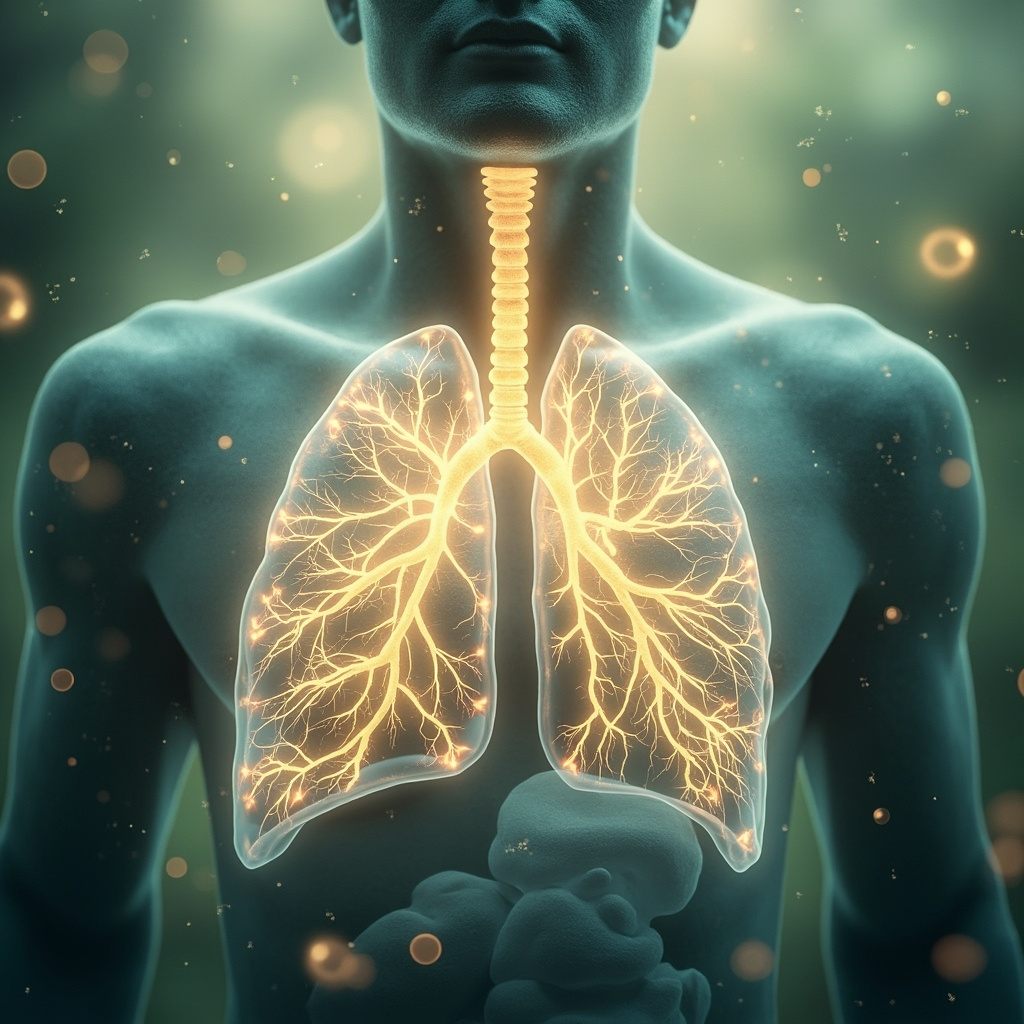
As an Ayurvedic practitioner, I often say that the breath is the bridge between the mind and the body. When we look at the respiratory system through the lens of modern biomarkers and ancient wisdom, we see that it is not merely a mechanical process of inhaling and exhaling. It is a dynamic, living rhythm that reflects your current state of balance.
The Rhythm of Your Vitality
Your lungs and airways do more than keep you alive by supplying oxygen to your cells. They are the primary regulators of your Prana, or life force. In Ayurveda, the way we breathe is intimately connected to our Doshas. A Vata imbalance, often marked by erratic energy and anxiety, can manifest as shallow, rapid breathing. When we are stuck in this pattern, our body struggles to maintain the steady internal environment needed for optimal organ function.
By analyzing your electrical activity, we can observe the biomarkers associated with your respiratory system. These data points tell a story of how well you are processing life. When the respiratory system is working in harmony, it acts as a powerful resource, ensuring that every cell receives the nourishment it needs while efficiently clearing away metabolic waste products like carbon dioxide. This balance is fundamental to your overall immunity and stamina.
The Emotional Weight of the Breath
Have you ever noticed how your chest tightens when you feel overwhelmed or unsupported? The respiratory system is deeply connected to our emotional landscape. Feelings of suffocation, fear, or unresolved family conflicts often settle in the chest area. When we hold onto these emotions, they can physically restrict our breathing patterns, leading to a sense of heaviness or even physical discomfort.
In my practice, I often see that when the respiratory system is highlighted as a priority, it is an invitation to look at what you are holding onto. Are you feeling supported in your territory? Do you feel safe enough to take a full, deep breath? Addressing these emotional aspects is just as important as physical support. By using targeted frequencies and meditation techniques, we can gently guide the body to release these stored tensions, allowing the chest to open and the breath to flow freely once again.
Practical Ways to Support Your Respiratory Flow
Supporting your respiratory health is about creating a sanctuary for your breath. Here are a few ways to cultivate this harmony in your daily life:
- Conscious Breathing: Set aside five minutes each day to practice slow, deep belly breathing. This signals to your nervous system that you are safe, helping to transition from a stressed state to one of calm.
- Grounding Practices: If you feel your breath becoming erratic, focus on grounding. Warm, nourishing foods and rhythmic routines, such as a gentle oil massage, can help balance the Vata energy that often disrupts respiratory flow.
- Targeted Resonance: Utilizing specific audio frequencies can help your body remember its natural, resonant state. By harmonizing the structures within the respiratory system, you can encourage the body to self-regulate, clearing away the stagnation that prevents you from feeling light and energized.
Reclaiming Your Natural Rhythm
When we treat the respiratory system as a partner in our self-development, we unlock new levels of clarity and presence. Whether you are seeking to improve your physical performance or looking to resolve emotional patterns that have kept you feeling stuck, turning your attention to the breath is the first step.
Remember, your breath is always with you. It is your most portable, accessible tool for transformation. By aligning your inner rhythm with the support of modern insights, you can move through life with a greater sense of ease, confidence, and internal freedom. Take a moment now to notice your breath. Is it shallow or deep? Fast or slow? Simply observing without judgment is the beginning of healing.
Related posts
Glossary
- Energy and mind Structures > oxygen
- Energy and mind Structures > carbon
- Energy and mind Structures > Focused Coherence; Focus
- Energy and mind Structures > Performance
- Energy and mind Structures > Stagnation
- Energy and mind Structures > Confidence
- Body zones > lungs
- Body zones > respiratory
- Body zones > chest
- Energy and mind Structures > Vata
- Stimuli > Hepatitis G virus, Primary
- Stimuli > Moon - Nasal Passage, Breathing, Taste
- Binaural beats > Nervous System: A Program for Emotional Balance and Relaxation
- Stimuli > Harmony