


Meditative States: Finding Your Inner Stillness
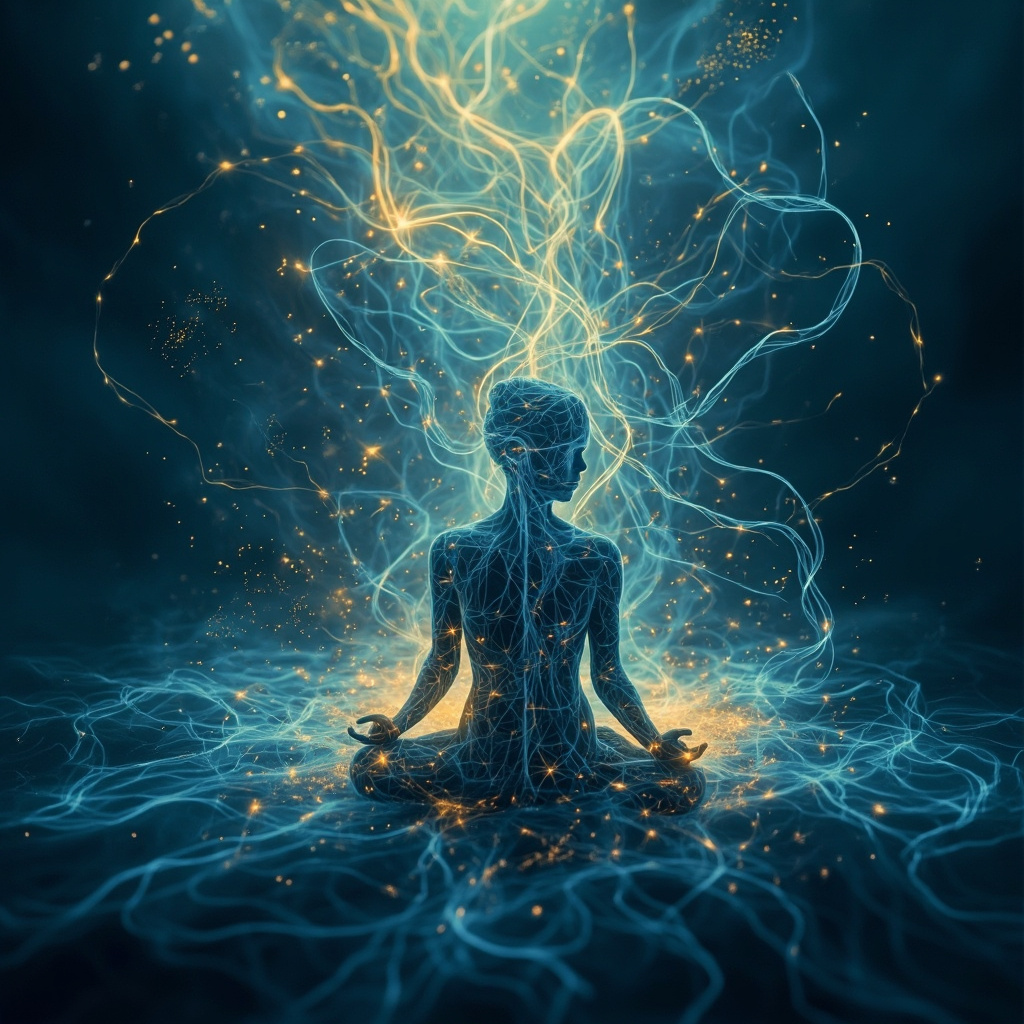
As a fitness coach, I often see people pushing their bodies to the limit, thinking that progress only happens through intensity. While hard work is essential, I have learned that the true secret to building sustainable strength and resilience lies in how we manage our internal state. Today, I want to talk about meditative states-a powerful, often overlooked resource for your health and performance.
What are Meditative States?
When we talk about meditative states, we are not necessarily talking about sitting on a cushion for hours. Instead, we are looking at a specific physiological state characterized by a deep sense of calm, focus, and clarity.
From a data perspective, when the body enters this state, it shifts away from the 'fight or flight' response that dominates our busy lives. You might notice a reduction in stress, a heightened sense of awareness, and a peaceful mind. It is a state where you feel detached from external distractions and profoundly connected to the present moment.
Why This Matters for Your Body
Many of the athletes and clients I work with struggle with recovery, not because they aren't resting, but because their nervous systems never truly 'turn off.' When you are in a high-stress mode, your body struggles to repair muscle tissue, balance hormones, and optimize metabolism.
When we identify meditative states as a priority, it acts as a master key for your well-being. By fostering this state, you allow your body to:
- Enhance Organ Function: Relaxing the nervous system helps your organs operate with better efficiency, improving your overall energy flow.
- Support Emotional Balance: A calm mind creates a stable foundation, making it easier to navigate daily stressors without losing your center.
- Improve Recovery: True physical recovery is an active process. By directing your body toward this state, you signal that it is safe to repair, rebuild, and recharge.
Accessing Your Inner Calm
In our community, we don't just guess about these states; we look at the data. By recording the body's electrical activity, we can see if your system is currently accessing these states or if it is stuck in a loop of agitation.
If the data shows that you need more of this 'inner silence,' we can use specific harmonic frequencies to guide your body back to that center. This is like giving your nervous system a gentle nudge to remember how to be still. Whether you are using a Harmonic Boost to resonate with this calm, or a Personal Guide to help direct your attention inward during a meditation, you are essentially training your brain and body to find balance more quickly.
Bringing It Into Your Routine
Think of this as a form of self-tuning. Just as you wouldn't run a car on a high-revving engine without ever shifting gears, you should not keep your body in a state of high output without balancing it with moments of deep, restorative calm.
If you are feeling fatigued or find that your performance has plateaued, it might not be a lack of effort. It might be a lack of access to these meditative states. By learning to tap into this resource, you can transform how you handle stress, how you recover from workouts, and how you experience your daily life.
Take a moment today to check in with yourself. Are you breathing shallowly, or are you grounded in the present? Your body is an incredible instrument, and sometimes, the best way to move forward is to learn how to be still.
Related posts
Glossary
- Energy and mind Structures > Meditative states
- Energy and mind Structures > Performance
- Body zones > hormones
- Energy and mind Structures > Organs
- Energy and mind Structures > Theta; 4.31-6.97 Hz. Light sleep, meditation.
- Energy and mind Structures > Stress
- Stimuli > Moon - Nasal Passage, Breathing, Taste
- Binaural beats > Nervous System: A Program for Emotional Balance and Relaxation
- Binaural beats > Muscle Tissue: Enhance Healing and Relaxation for Muscles
- Stimuli > Brain
- Stimuli > GAPDH, Metabolism