


The Cerebellum: Your Inner Center for Balance and Grace
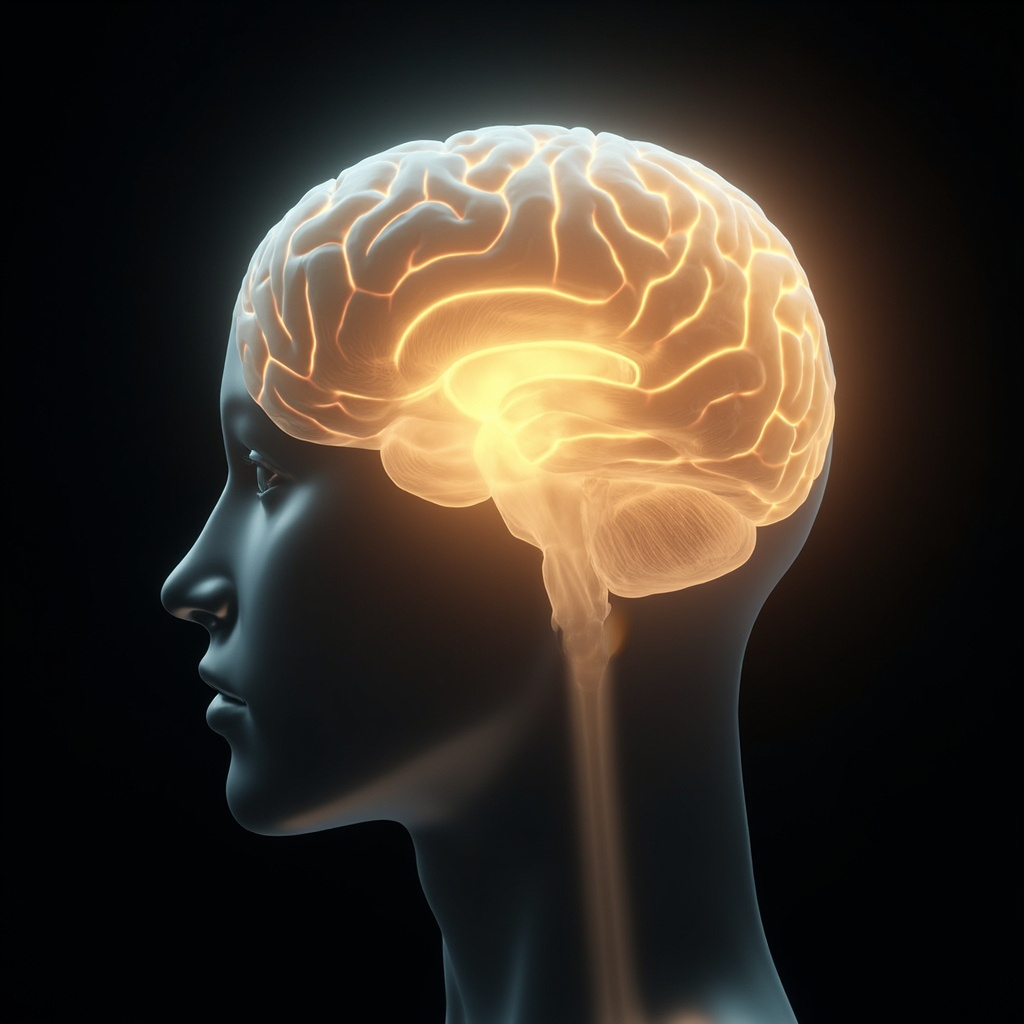
As a fitness coach, I spend much of my time observing how the body moves. We often focus on the big muscles or cardiovascular endurance, but there is a quiet, powerful conductor working behind the scenes of every movement you make: the cerebellum.
Located at the base of your brain, this structure is often called the little brain. While it is small, its impact on your quality of life is immense. When we look at your biomarker data, we often see that the cerebellum is not just about keeping you upright; it is the master of coordination, grace, and sustained focus.
More Than Just Movement
Most people know the cerebellum for its role in balance and posture. If you have ever felt unsteady or noticed that your fine motor skills-like typing, playing an instrument, or even walking smoothly-feel a bit off, your cerebellum might be asking for support. It takes in information from your senses and translates it into fluid, effortless action.
However, in my work with recovery and performance, I have found that its reach goes far beyond the physical. The cerebellum is deeply connected to how we manage our internal state. When this area is functioning optimally, you feel a sense of poise and control. When it is under stress, you might feel scattered, uncoordinated, or overwhelmed by the demands of your day.
The Emotional Connection to Stability
There is a fascinating link between the physical stability provided by this brain structure and your emotional resilience. Have you ever felt like you were losing your grip on a situation? Or perhaps you felt a lack of support in your personal or professional life?
Often, these feelings of mental instability mirror the way the cerebellum regulates our physical body. If you feel like you are struggling to manage your responsibilities, it can manifest as physical tension or a subtle lack of focus. By working on the cerebellum as a resource, we are essentially training the brain to find its center again. It is about moving from a state of chaos to a state of calm coordination.
Supporting Your Natural Flow
When I analyze a client's data, I look for markers of energy and agitation within the cerebellum. If we identify that this area is a priority, we can use specific harmonic frequencies to help it resonate at its best. Think of this as tuning an instrument; once the cerebellum is in tune, the rest of your body follows.
Through advanced guided meditations that focus on this area, you can learn to direct your attention inward. This helps you re-establish a sense of balance that radiates from the inside out. When your cerebellum is supported, you are not just moving better; you are responding to life's stressors with greater ease and stability.
Simple Steps for Daily Poise
You do not need to be an athlete to benefit from a well-supported cerebellum. Whether you are recovering from a long day, trying to improve your posture, or simply seeking more clarity in your thoughts, focusing on this structure is a powerful starting point.
I encourage you to explore your own data to see if your cerebellum is currently a priority for your recovery. By acknowledging this hidden center of your vitality, you open the door to a more graceful, balanced, and organized version of yourself. Remember, true strength is not just about power; it is about the fluidity and control that allow you to navigate life with confidence.
To learn more about the structure of this area, you can visit https://coherence.today/body/36-cerebellum.
Related posts
Glossary
- Energy and mind Structures > Focused Coherence; Focus
- Energy and mind Structures > Structure
- Energy and mind Structures > Mental
- Energy and mind Structures > Performance
- Energy and mind Structures > Confidence
- Body zones > muscles
- Body zones > senses
- Body zones > cerebellum
- Energy and mind Structures > vitality
- Energy and mind Structures > movement
- Energy and mind Structures > Stress
- Stimuli > Brain