


Meditative States: Yoga for Calm & Clarity
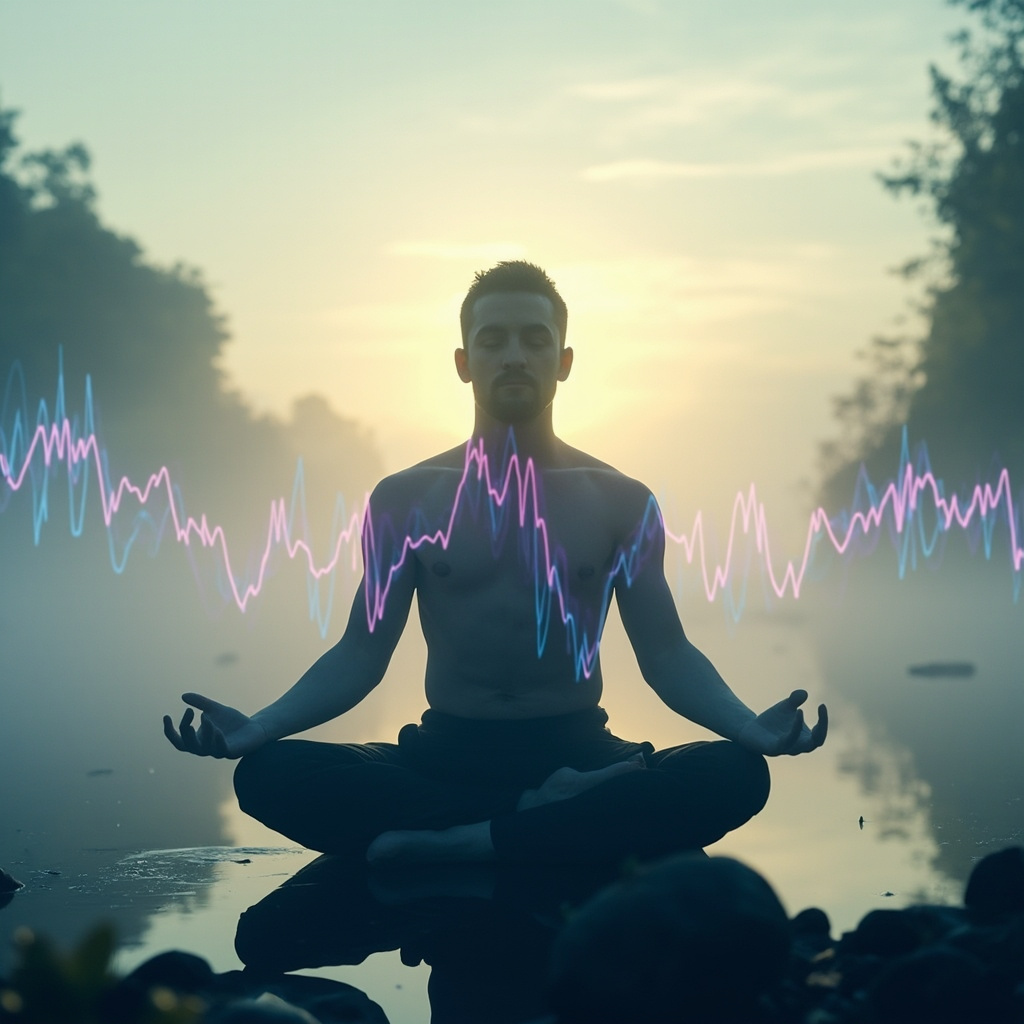
Meditative states are moments of true inner peace. Imagine a mind free from daily worries, fully present, and deeply aware. These states feature deep calm, sharp focus, and crystal clarity. People in them feel less stress, more connected to the now, and detached from distractions. In BioCoherence, meditative states (feeling_31) show up as a key biomarker from body electrical activity recordings. For details, check the glossary.
These states do more than feel good. They support overall health.
Key Benefits of Meditative States
When strong, meditative states act as a resource for the body and emotions:
- Promote relaxation to ease tense muscles and organs.
- Reduce stress hormones for better heart and gut function.
- Boost mindfulness for smoother energy flow and inner harmony.
- Aid emotional balance by quieting racing thoughts.
- Enhance daily awareness, making choices clearer and life richer.
Weak meditative states might signal high stress or scattered focus. Yoga steps in to build them up.
Why Yoga Excels at Building Meditative States
Yoga blends movement, breath, and awareness perfectly for this. It calms the nervous system, steadies heart rate variability (HRV-a measure of body stress recovery), and quiets the mind. Poses release physical tension, breathing slows the breath, and holds build focus. Regular practice shifts the brain toward these peaceful patterns.
Start simple. Even short sessions create change. Biomarkers like HRV improve, showing your body's shift to calm.
Breathing Practices for Meditative Calm
Breath leads the way to meditation.
Alternate Nostril Breathing (Nadi Shodhana)
- Sit tall, close right nostril with thumb.
- Inhale left nostril slowly (count 4).
- Close left with ring finger, hold breath (count 4).
- Release right nostril, exhale (count 6).
- Reverse: inhale right, hold, exhale left.
Do 5-10 rounds. This balances brain sides, boosts focus, and invites calm.
Deep Belly Breath (Dirga Pranayama)
- Lie down, hand on belly.
- Inhale: belly rises, then ribs, then chest (count 6).
- Exhale fully (count 8).
Great before bed for restful sleep.
Yoga Poses to Deepen the State
Gentle poses open the body for mind stillness.
Child's Pose (Balasana)
Kneel, fold forward, arms out. Rest forehead down. Breathe into back. Holds 2-5 minutes. Releases lower back stress, quiets mind.
Legs-Up-the-Wall (Viparita Karani)
Lie with legs vertical against wall. Arms rest by sides. 5-10 minutes. Boosts circulation, calms nerves.
Seated Forward Bend (Paschimottanasana)
Sit, legs out, fold forward. Hold ankles or shins. Breathe into hamstrings. Calms forward brain chatter.
Corpse Pose (Savasana)
Lie flat, palms up, eyes closed. Scan body for tension, release. 10 minutes ender. Integrates calm.
Flow: 5 breaths Nadi Shodhana, 3 poses, Savasana. 20 minutes daily.
Fresh Insights from Research
New studies highlight yoga's power. A 2026 Harvard study found advanced meditation creates unique brain waves-high gamma activity across regions-for super awareness and emotion control. These differ from basic rest. Yoga's breath and holds build toward this.
The American Heart Association notes yoga grows brain gray matter for memory and thought. It fights decline, aids cancer recovery cognition. Stress drops, inflammation eases-key for lasting calm.
HRV rises too, per recent trials, marking better recovery.
Make It Yours
Track progress: notice easier focus, less reactivity. Use meditative states as a resource-call on that calm for tough days. Pair with priorities like stress relief or posture.
Yoga invites everyone to these states. Start small, stay steady. Your body and mind thank you.
- 1. nature.com
- 2. yogajournal.com
- 3. yogavidyamandiram.com
- 4. yogajala.com
- 5. pmc.ncbi.nlm.nih.gov
- 6. pmc.ncbi.nlm.nih.gov
- 7. frontiersin.org
- 8. nature.com
- 9. pmc.ncbi.nlm.nih.gov
- 10. yogaeastwest.com
- 11. news.harvard.edu
- 12. missiongraduatenm.org
- 13. journals.asianresassoc.org
- 14. pmc.ncbi.nlm.nih.gov
- 15. pmc.ncbi.nlm.nih.gov
- 16. researchgate.net
- 17. medium.com
- 18. sciencedirect.com
- 19. thriva.co
- 20. onlinelibrary.wiley.com
- 21. communities.springernature.com
- 22. pmc.ncbi.nlm.nih.gov
- 23. mountsinai.org
- 24. awspntest.apa.org
- 25. news.harvard.edu
- 26. pmc.ncbi.nlm.nih.gov
- 27. pmc.ncbi.nlm.nih.gov
- 28. pmc.ncbi.nlm.nih.gov
- 29. globalwellnessinstitute.org
- 30. researchgate.net
- 31. pmc.ncbi.nlm.nih.gov
- 32. pubmed.ncbi.nlm.nih.gov
- 33. therapyroute.com
- 34. pmc.ncbi.nlm.nih.gov
- 35. pmc.ncbi.nlm.nih.gov
- 36. dl.acm.org
- 37. pmc.ncbi.nlm.nih.gov
- 38. heart.org
Related posts
Glossary
- Energy and mind Structures > Focused Coherence; Focus
- Energy and mind Structures > Peace
- Energy and mind Structures > Meditative states
- Energy and mind Structures > Memory
- Energy and mind Structures > Gamma; Above 29.56 Hz. Intense mental activity.
- Body zones > hormones
- Body zones > muscles
- Body zones > nerves
- Body zones > chest
- Body zones > eyes
- Energy and mind Structures > Organs
- TCM Recipes > Circulation: Boost Energy and Warm Your Extremities
- TCM Recipes > Heart Health: Remedies for Anxiety and Palpitations
- TCM Recipes > Brain Boost: Clear Fog, Improve Focus & Memory
- Energy and mind Structures > sleep
- Energy and mind Structures > movement
- Energy and mind Structures > Theta; 4.31-6.97 Hz. Light sleep, meditation.
- Energy and mind Structures > Stress
- Stimuli > Cancer
- Stimuli > Moon - Nasal Passage, Breathing, Taste
- Stimuli > AIDS
- Binaural beats > Inflammation Relief: Heal Faster with Binaural Beats
- Binaural beats > Nervous System: A Program for Emotional Balance and Relaxation
- Stimuli > Harmony
see also...
- Energy and mind Structures > HRV
- Energy and mind Structures > Body zones > eyes
- Energy and mind Structures > TCM Recipes > Boost Energy: A Simple Remedy for Low Energy and Fatigue
- Binaural beats > Stimuli > Sacral, Zinc Etc
- Binaural beats > Transmutation: A Sound Journey for Personal Change
- Testimonials > 61% Drop in Nausea and 58% in Headaches from Sound Therapy