


Yoga for Lower Back Stability
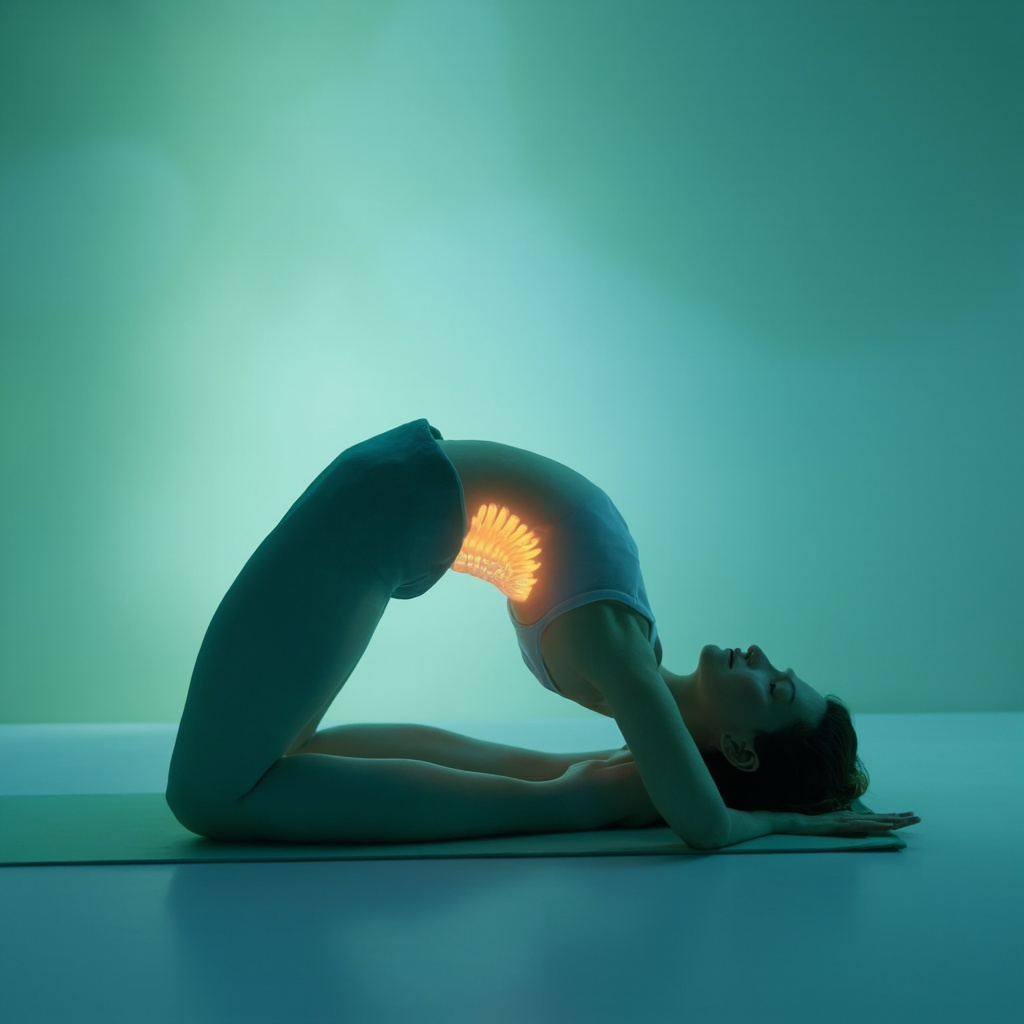
Understanding the L4 Vertebra
The L4 vertebra is a key part of your lumbar spine, the fourth one down in your lower back. See the glossary entry for more details. It bears much of your upper body weight while allowing flexibility for daily movements like bending and twisting. Healthy L4 protects nerves and supports smooth motion.
Physical Role and Common Problems
A strong L4 provides stability, helping you stand tall and move freely. It works with nearby vertebrae to cushion impacts and maintain posture. When out of balance, you might feel:
- Sharp lower back pain
- Sciatica, a shooting pain down the legs
- Numbness or weakness in legs
- Stiffness that limits mobility
These issues often come from heavy lifting, poor posture, or sedentary habits. Over time, they disrupt daily life and energy levels.
Emotional Links to L4
Beyond the physical, L4 connects to feelings of support and security. Tension here can reflect worries about finances, family burdens, or feeling overwhelmed by responsibilities. Emotional stress, like fear of instability, may tighten muscles around L4, creating a cycle of pain and unease.
When balanced, L4 acts as a resource. It offers structural stability, aids nerve flow, and eases emotional loads. This fosters a sense of groundedness and resilience.
Why Yoga Targets L4
Yoga gently strengthens the lower back, improves flexibility, and calms the nervous system. Poses build core support around L4, reducing strain. Breathing practices release tension, while mindful movement addresses emotional roots.
Recent studies confirm yoga's benefits for chronic lower back pain, showing reduced pain and better function with regular practice.
Essential Yoga Poses for L4
Incorporate these poses 3-5 times a week. Move slowly, breathe deeply, and stop if pain increases.
Child's Pose (Balasana)
Kneel, sit back on heels, fold forward with arms extended. Rest forehead on the mat. This stretches the lower back, releasing L4 tension. Hold 1-2 minutes.
Cat-Cow Pose (Marjaryasana-Bitilasana)
On hands and knees, alternate arching (Cow: inhale, drop belly) and rounding (Cat: exhale, tuck chin). Flows warmth to L4, enhancing mobility. Do 10 rounds.
Bridge Pose (Setu Bandhasana)
Lie on back, feet hip-width, lift hips. Squeeze glutes to support L4. Strengthens back extensors. Hold 30 seconds, repeat 3 times.
Downward-Facing Dog (Adho Mukha Svanasana)
From plank, lift hips to invert V-shape. Pedal feet to stretch hamstrings, easing L4 pull. Hold 5 breaths.
Supine Twist (Supta Matsyendrasana)
Lie back, hug one knee across body, twist gently. Detoxifies and balances L4. Switch sides, hold 1 minute each.
Breathing Techniques for Relief
Pair poses with Nadi Shodhana (alternate nostril breathing): Close right nostril, inhale left; close left, exhale right. Repeat 5-10 cycles. This calms stress responses tied to L4 emotions, boosting heart rate variability for recovery.
Sample 15-Minute L4 Practice
- Warm-up: Cat-Cow (2 min)
- Strengthen: Bridge (3 reps)
- Stretch: Child's Pose (2 min)
- Mobilize: Downward Dog (1 min)
- Twist: Supine Twist (2 min/side)
- Cool down: Legs up the wall (3 min)
End with body scan: Notice L4 area, invite support and ease.
Long-Term Benefits
Consistent yoga enhances L4 resilience. Physically, it improves posture and nerve health. Emotionally, it cultivates security, lightening burdens. Track progress by noting pain levels and mood. For personalized tweaks based on your needs, explore further.
This practice restores harmony, letting you carry life's weight with grace.
- 1. researchgate.net
- 2. youtube.com
- 3. journals.lww.com
- 4. pmc.ncbi.nlm.nih.gov
- 5. arpwave.com
- 6. open.spotify.com
- 7. healthline.com
- 8. youtube.com
- 9. pmc.ncbi.nlm.nih.gov
- 10. medschool.umaryland.edu
- 11. ijrrjournal.com
- 12. onlinelibrary.wiley.com
- 13. youtube.com
- 14. onepeloton.com
- 15. pmc.ncbi.nlm.nih.gov
- 16. pmc.ncbi.nlm.nih.gov
- 17. doralhw.org
- 18. consultqd.clevelandclinic.org
- 19. pmc.ncbi.nlm.nih.gov
- 20. pmc.ncbi.nlm.nih.gov
- 21. pmc.ncbi.nlm.nih.gov
- 22. pmc.ncbi.nlm.nih.gov
- 23. youtube.com
- 24. nortexspineandjoint.com
- 25. spinehealth.org
- 26. reddit.com
- 27. liforme.com
- 28. npr.org
- 29. insighttimer.com
- 30. pmc.ncbi.nlm.nih.gov
- 31. frontiersin.org
- 32. music.apple.com
- 33. pmc.ncbi.nlm.nih.gov
- 34. sharphealthplan.com
- 35. pmc.ncbi.nlm.nih.gov
- 36. pmc.ncbi.nlm.nih.gov
- 37. pmc.ncbi.nlm.nih.gov
- 38. compspinecare.com
- 39. youtube.com
- 40. yogajournal.com
Related posts
Glossary
- Energy and mind Structures > Security
- Body zones > muscles
- Body zones > nerves
- Body zones > L4
- Body zones > Vertebrae
- TCM Recipes > Back Pain Relief: Easy Remedies for Sciatica & Stiffness
- TCM Recipes > Heart Health: Remedies for Anxiety and Palpitations
- TCM Recipes > Relieving Lower Back Pain: Simple TCM Remedies
- Energy and mind Structures > movement
- Energy and mind Structures > Stress
- Stimuli > Moon - Nasal Passage, Breathing, Taste
- Stimuli > AIDS
- Stimuli > Pain
- Binaural beats > Nervous System: A Program for Emotional Balance and Relaxation
- Stimuli > Harmony
see also...
- Energy and mind Structures > HRV
- Energy and mind Structures > Body zones > Vertebrae
- Energy and mind Structures > TCM Recipes > Relieving Lower Back Pain: Simple TCM Remedies
- Testimonials > 61% Drop in Nausea and 58% in Headaches from Sound Therapy
- Binaural beats > Stimuli > Sacral, Zinc Etc
- Binaural beats > Transmutation: A Sound Journey for Personal Change