


Yoga for Lower Back Stability & Support
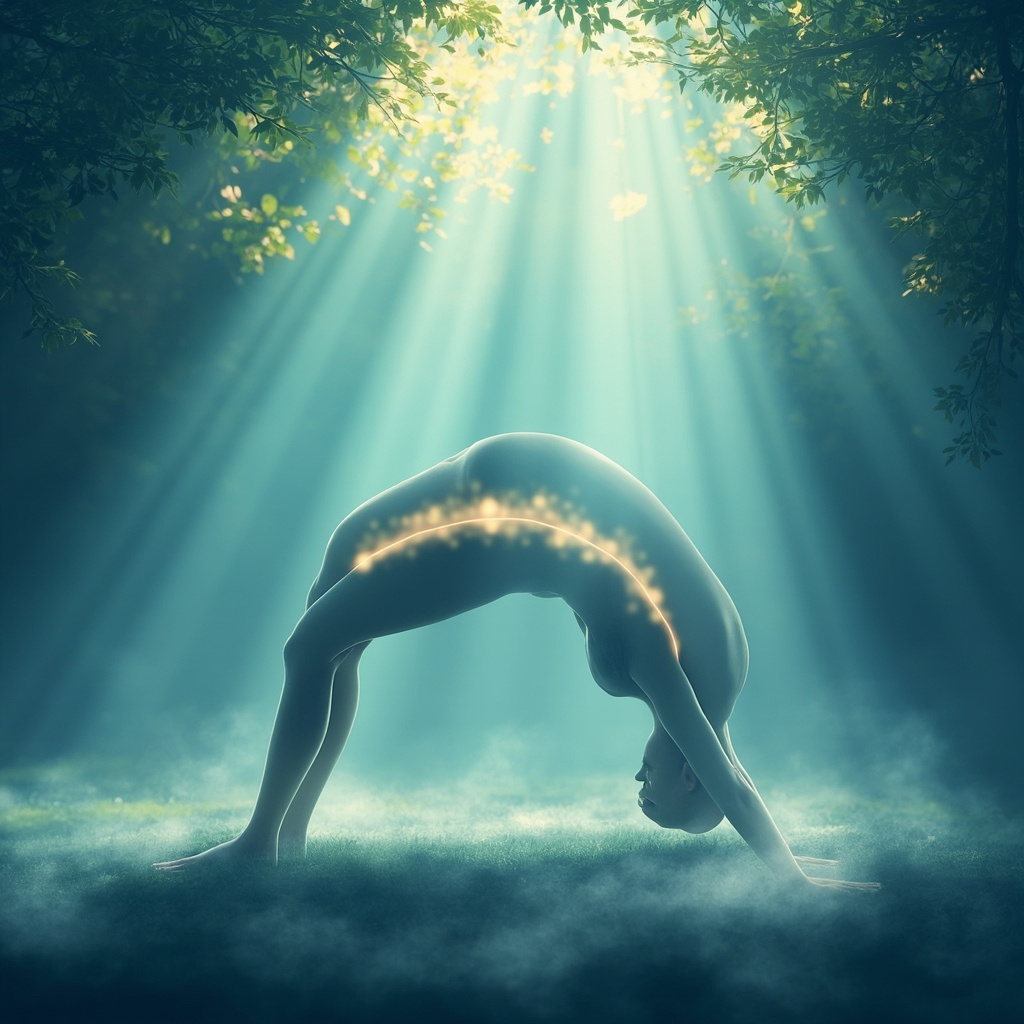
Understanding L1: Your Lower Back Anchor
The L1 vertebra, the first in your lumbar spine, sits right at the base of your rib cage in the lower back. For more details, see the L1 glossary. It acts like a strong pillar, bearing the weight of your upper body while allowing smooth twists and bends. Healthy L1 keeps you mobile and protected, safeguarding the spinal cord and nerves that run through it.
When balanced, L1 promotes easy movement in daily life, from bending to lift something to walking with confidence. It connects your torso to your hips, making every step feel grounded.
Physical Role of L1
L1 handles a lot: it supports your torso's weight, enables flexibility in the lower back, and shields vital nerves. These nerves link to your hips, legs, and lower abdomen, influencing strength and sensation there.
Issues around L1 often stem from poor posture, heavy lifting, or sedentary habits. Over time, this can compress nerves, leading to discomfort that spreads downward.
Emotional Ties to L1
Beyond the physical, L1 connects to deeper feelings. It relates to fears of instability, like worries about financial security, home life, or basic support in daily existence. When out of balance, you might feel ungrounded or anxious about your foundations.
On the flip side, a strong L1 fosters emotional stability. It helps release those fears, building a sense of reliability and calm. Think of it as your inner foundation for facing life's uncertainties.
Common Signs of L1 Imbalance
Watch for these clues:
- Lower back pain or stiffness, especially after sitting or standing long.
- Numbness or tingling in hips, thighs, or legs.
- Reduced flexibility, making it hard to bend or twist.
- Emotional hints like persistent worry about money or security.
Early attention prevents worsening, keeping you active and at ease.
Yoga Poses to Strengthen and Balance L1
Yoga targets L1 with gentle stretches, core work, and mindful movement. Focus on poses that decompress the spine, build supporting muscles, and encourage stability. Practice slowly, breathing deeply.
Key Poses for L1 Support
- Child's Pose (Balasana): Kneel, fold forward with arms extended. This releases tension in the lower back, easing L1 pressure. Hold 1-2 minutes.
- Cat-Cow Pose (Marjaryasana-Bitilasana): On all fours, alternate arching and rounding your back. It mobilizes L1, improving flexibility. Do 8-10 rounds.
- Bridge Pose (Setu Bandhasana): Lie on back, lift hips. Strengthens glutes and core around L1 for better support. Hold 30 seconds, repeat 3 times.
- Seated Forward Bend (Paschimottanasana): Sit with legs extended, fold forward. Stretches hamstrings and lower back, relieving L1 compression.
- Supine Twist (Supta Matsyendrasana): Lie on back, twist knees to one side. Gently rotates the lumbar spine, balancing L1. Hold 30 seconds per side.
- Warrior II (Virabhadrasana II): Stand wide, bend front knee. Builds leg strength to offload L1 pressure.
Breathing for L1 Harmony
Pair poses with belly breathing: Inhale to expand your abdomen, exhale to soften the lower back. This activates the diaphragm near L1, promoting relaxation and nerve calm. Try 4-7-8 breath: inhale 4 counts, hold 7, exhale 8.
A Simple 15-Minute L1 Sequence
- Start in Child's Pose (2 min).
- Flow Cat-Cow (2 min).
- Bridge Pose (3 reps).
- Seated Forward Bend (1 min each side).
- Supine Twist (1 min each side).
- End in legs-up-the-wall for recovery (5 min).
Practice 3-4 times weekly. Listen to your body; use props like blocks if needed.
L1 as Your Inner Resource
When strong, L1 supports other body areas. It provides structural stability for posture, aids flexible movement, and eases emotional stress. Use it to bolster priorities like hips or adrenals, enhancing overall well-being.
Recent studies show yoga reduces chronic lower back pain and boosts function, aligning with these practices.
Long-Term Benefits
Regular yoga for L1 leads to:
- Less pain and more mobility.
- Stronger core and back muscles.
- Reduced anxiety around instability.
- Better mind-body connection.
Embrace these practices for a supported, secure foundation. Your lower back-and life-will thank you.
- 1. npr.org
- 2. facebook.com
- 3. nortexspineandjoint.com
- 4. nytimes.com
- 5. pmc.ncbi.nlm.nih.gov
- 6. yogatherapyassociates.com
- 7. spinedoctors.md
- 8. brandonlawrencemd.med.utah.edu
- 9. pmc.ncbi.nlm.nih.gov
- 10. consultqd.clevelandclinic.org
- 11. medschool.umaryland.edu
- 12. pmc.ncbi.nlm.nih.gov
- 13. pmc.ncbi.nlm.nih.gov
- 14. youtube.com
- 15. pva.org
- 16. pmc.ncbi.nlm.nih.gov
- 17. withpower.com
- 18. doctronic.ai
- 19. facebook.com
- 20. quora.com
- 21. physio-pedia.com
- 22. pmc.ncbi.nlm.nih.gov
- 23. pmc.ncbi.nlm.nih.gov
- 24. pmc.ncbi.nlm.nih.gov
- 25. facebook.com
- 26. themindedinstitute.com
- 27. pmc.ncbi.nlm.nih.gov
- 28. blueosa.com
- 29. facebook.com
- 30. researchgate.net
- 31. pmc.ncbi.nlm.nih.gov
- 32. facebook.com
- 33. instagram.com
- 34. youtube.com
- 35. newsroom.clevelandclinic.org
- 36. pmc.ncbi.nlm.nih.gov
- 37. youtube.com
- 38. jamanetwork.com
Related posts
Glossary
- Energy and mind Structures > Focused Coherence; Focus
- Energy and mind Structures > Sensation
- Energy and mind Structures > Security
- Energy and mind Structures > Confidence
- Body structures > muscles
- Body structures > nerves
- Body structures > L1
- TCM Recipes > Back Pain Relief: Easy Remedies for Sciatica & Stiffness
- TCM Recipes > Relieving Lower Back Pain: Simple TCM Remedies
- Energy and mind Structures > movement
- Energy and mind Structures > Stress
- Stimuli > Moon - Nasal Passage, Breathing, Taste
- Stimuli > AIDS
- Stimuli > Pain
- Binaural beats > Spinal Cord Support: Enhance Wellness and Emotional Balance
see also...
- Energy and mind Structures > HRV
- Energy and mind Structures > Body structures > L1
- Energy and mind Structures > TCM Recipes > Relieving Lower Back Pain: Simple TCM Remedies
- Testimonials > 61% Drop in Nausea and 58% in Headaches from Sound Therapy
- Binaural beats > Stimuli > Chakra 2 Solar Plexus
- Binaural beats > Spinal Cord Support: Enhance Wellness and Emotional Balance