


Th2: Yoga for Upper Back & Heart Harmony
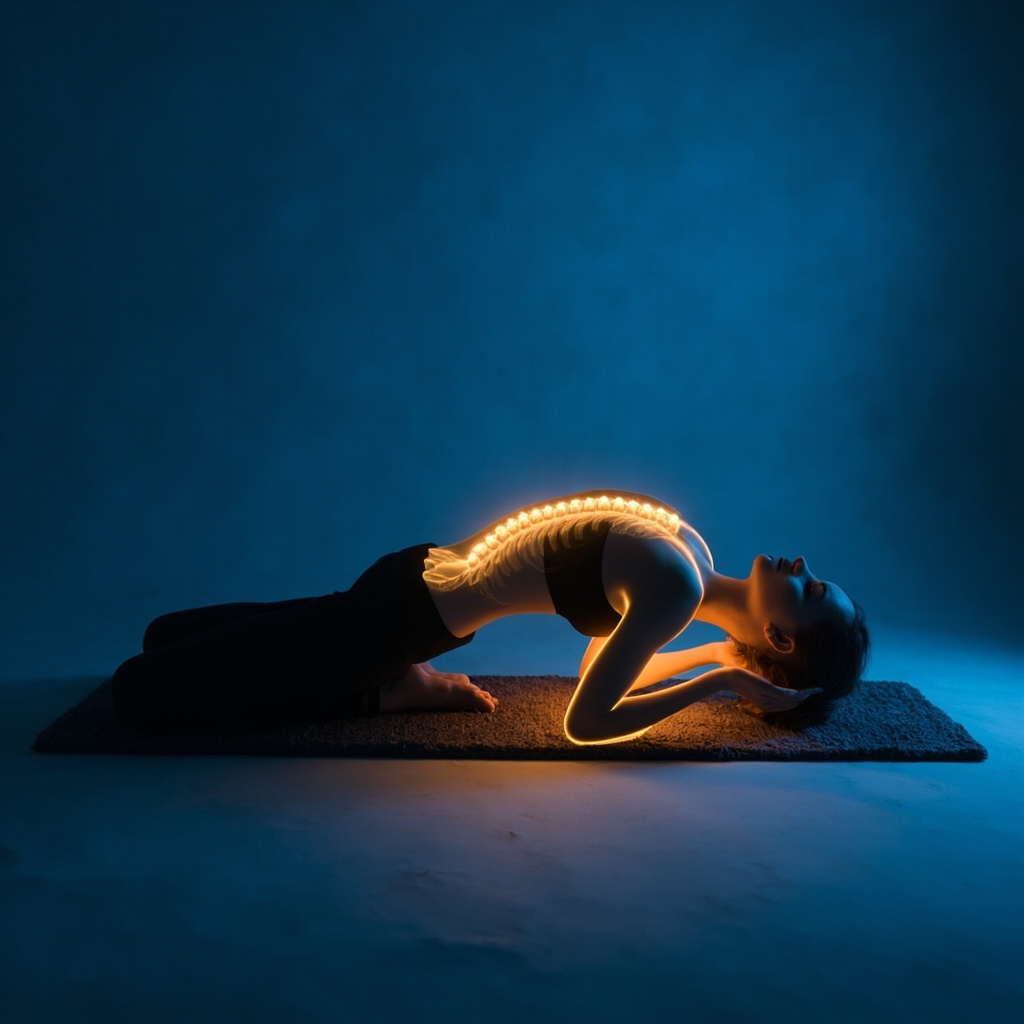
What is Th2?
Th2 is the second thoracic vertebra, located in the upper back just below the neck. This small but vital bone acts as a guardian for your spine. It supports the spinal column, protects the spinal cord, and sends nerve signals to the upper chest, heart, and nearby muscles. When healthy, Th2 keeps your posture strong and your breathing smooth.
In the BioCoherence glossary, Th2 reveals its energy levels, activity, and connections through body electrical readings. Balanced Th2 promotes smooth energy flow to the heart area, aiding physical mobility and calm feelings.
Signs of Th2 Imbalance
If Th2 is out of alignment, you might notice:
- Upper back pain or stiffness, especially after sitting long hours
- Tightness in the chest, making deep breaths feel hard
- Weakness in the upper body, limiting arm or shoulder movement
- Nerve-related discomfort radiating to the ribs or heart region
These issues can stem from poor posture, stress, or injury. Over time, they affect daily comfort and vitality.
Emotional Ties to Th2
Th2 connects deeply to the heart and coronary arteries. Emotions like feeling isolated, unsupported, or frustrated by unmet goals can settle here. Such stresses may tighten the chest, raise tension, and strain heart function. Addressing these feelings through gentle movement helps release blocks, inviting emotional ease and stronger connections.
As a resource, Th2 supports heart communication, cuts stress, and boosts well-being. Yoga taps into this by opening the upper back and nurturing inner support.
How Yoga Supports Th2
Yoga builds thoracic spine mobility, a key for upper back health. Poses stretch tight muscles, strengthen the core, and improve posture. Research shows yoga enhances heart rate variability (HRV), a sign of better stress handling and nervous system balance. Regular practice reduces upper back pain, eases breathing, and lifts mood.
A review of studies found yoga increases HRV and promotes calm during and after sessions. This aligns with Th2's role in stress reduction and heart flow.
Key Yoga Poses for Th2 Balance
Try these poses 3-5 times a week, holding each for 5-10 breaths. Move slowly, focusing on the upper back.
Cat-Cow Pose (Marjaryasana-Bitilasana)
Kneel on all fours, hands under shoulders, knees under hips. Inhale, arch your back, lift head and tailbone (Cow). Exhale, round spine, tuck chin (Cat). This warms the thoracic spine, boosts mobility, and relieves stiffness around Th2.
Sphinx Pose (Salamba Bhujangasana)
Lie on belly, forearms on floor, elbows under shoulders. Lift chest gently, keeping hips down. Press upper back to open the heart area. Great for strengthening Th2 support muscles and easing chest tension.
Camel Pose (Ustrasana) - Gentle Version
Kneel, hands on lower back. Lift chest, tilt head back slightly. For beginners, place hands on heels or blocks. Opens upper back and heart, countering slumps and emotional holds.
Thread the Needle (Parsva Balasana)
From all fours, slide right arm under left, rest shoulder on floor. Extend left arm forward. Switch sides. Targets upper back rotation, vital for Th2 flexibility.
Child's Pose (Balasana)
Kneel, fold forward, arms extended. Rest forehead down. Relaxes the back, calms nerves, and restores after active poses.
Breathing for Th2 Harmony
Pair poses with Nadi Shodhana (alternate nostril breathing): Close right nostril, inhale left. Close left, exhale right. Inhale right, exhale left. Repeat 5-10 rounds. This balances the nervous system, supports HRV, and soothes heart-area stress.
Building a Th2 Practice
Start with 15-20 minutes daily:
- Warm up with Cat-Cow (2 minutes)
- Flow into Sphinx and Thread the Needle (3-5 breaths each side)
- Add Camel gently
- End with Child's Pose and breathing
Listen to your body. If pain persists, consult a professional. Over weeks, notice freer movement, less tension, and warmer heart feelings.
Th2 balance fosters upper back strength, heart ease, and emotional flow. Embrace these practices for embodied harmony.
- 1. yogauonline.com
- 2. facebook.com
- 3. sigmapubs.onlinelibrary.wiley.com
- 4. pmc.ncbi.nlm.nih.gov
- 5. mdpi.com
- 6. journals.sagepub.com
- 7. youtube.com
- 8. youtube.com
- 9. personaltrainingmaster.co.uk
- 10. issaonline.com
- 11. youtube.com
- 12. pmc.ncbi.nlm.nih.gov
- 13. yogainternational.com
- 14. yogajournal.com
- 15. youtube.com
- 16. youtube.com
- 17. aurawellnesscenter.com
- 18. yogauonline.com
- 19. nature.com
- 20. pmc.ncbi.nlm.nih.gov
- 21. health.harvard.edu
- 22. yoga15.com
- 23. zyto.com
- 24. facebook.com
- 25. tandfonline.com
- 26. myyogateacher.com
- 27. tummee.com
- 28. healthline.com
- 29. yogajournal.com
Related posts
Glossary
- Energy and mind Structures > Communication
- Body zones > head
- Body zones > muscles
- Body zones > nerves
- Body zones > Th2
- Body zones > Arteries
- Body zones > chest
- TCM Recipes > Back Pain Relief: Easy Remedies for Sciatica & Stiffness
- TCM Recipes > Heart Health: Remedies for Anxiety and Palpitations
- TCM Recipes > Stress Relief: A Simple Guide to Reducing Tension
- Energy and mind Structures > vitality
- Energy and mind Structures > movement
- Energy and mind Structures > Stress
- Stimuli > Moon - Nasal Passage, Breathing, Taste
- Stimuli > Pain
- Binaural beats > Spinal Cord Support: Enhance Wellness and Emotional Balance
- Binaural beats > Nervous System: A Program for Emotional Balance and Relaxation
- Stimuli > Bone
- Stimuli > Harmony
see also...
- Energy and mind Structures > HRV
- Energy and mind Structures > Body zones > substantia nigra
- Energy and mind Structures > TCM Recipes > Stress Relief: A Simple Guide to Reducing Tension
- Testimonials > 61% Drop in Nausea and 58% in Headaches from Sound Therapy
- Binaural beats > Stimuli > Sacral, Zinc Etc
- Binaural beats > Transmutation: A Sound Journey for Personal Change