


Neurotransmitters: Yoga for Mood Balance
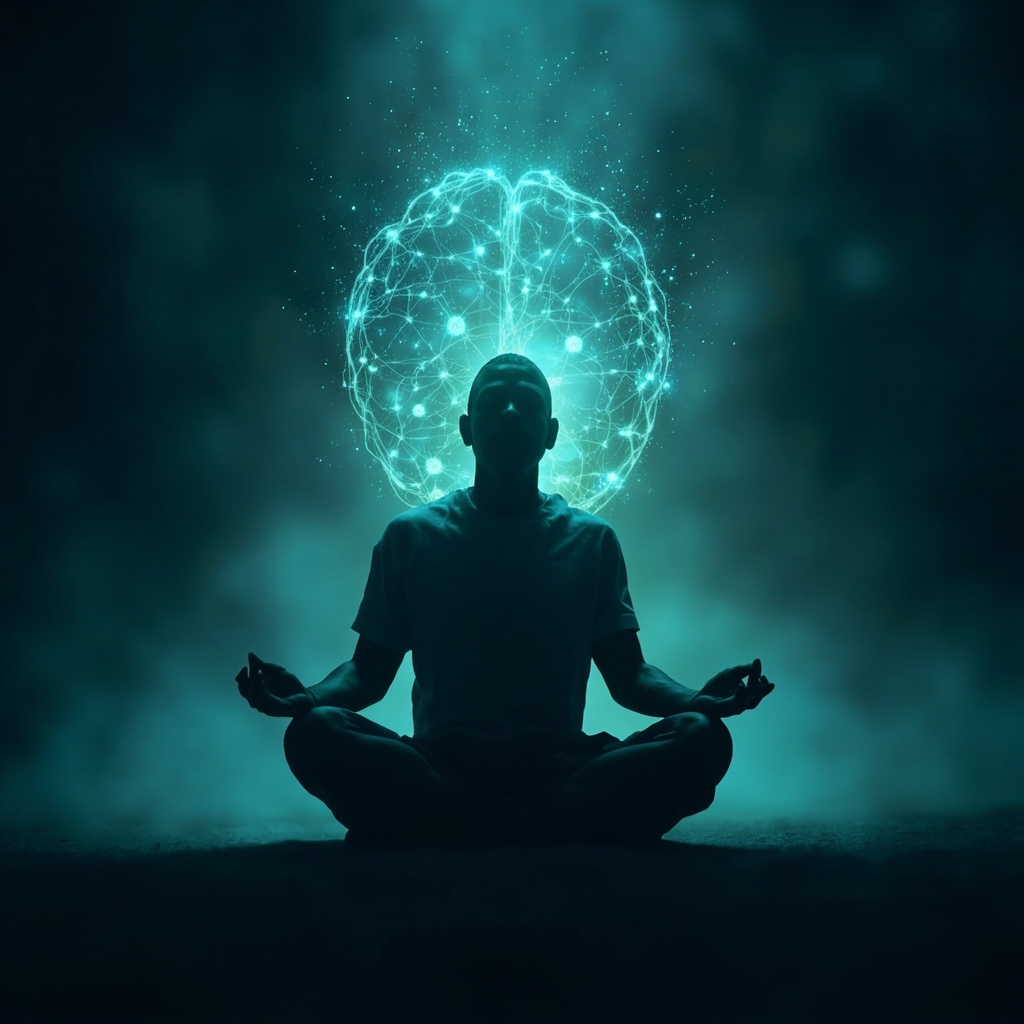
Understanding Neurotransmitters
Neurotransmitters act as messengers in your nervous system. They carry signals between brain cells, helping control how you feel, think, and move. Found mainly in the brain, spinal cord, and nerves, they influence everyday functions like mood, appetite, sleep, and learning.
When these messengers work well, you feel steady and alert. But if they get out of balance, issues like low mood, worry, or poor focus can arise. For more details, see the neurotransmitters glossary.
Emotional Ties to Neurotransmitters
Your emotions connect deeply to these brain chemicals. For example, low levels of certain ones might bring feelings of sadness or lack of drive. High stress can throw them off, creating a cycle of tension and unease.
Serotonin helps with calm and happiness. When low, sadness or worry may grow. Dopamine sparks motivation and joy from rewards. Too little can sap your energy for daily tasks. GABA, a calming one, eases anxiety like a natural brake on overthinking.
Unresolved feelings or ongoing pressure often play a role in these shifts. By tending to emotions through gentle practices, balance returns more easily.
How Yoga Supports Neurotransmitter Balance
Yoga offers a natural way to nurture these messengers. Studies show regular practice raises levels of serotonin, dopamine, and GABA. One session can boost GABA by up to 27 percent, promoting calm right away.
Yoga works by easing stress hormones, improving breath flow, and linking body to mind. This calms the nervous system, letting messengers flow freely. Over time, it builds resilience against emotional ups and downs.
Research highlights yoga's power to rewire brain patterns for better focus and steadiness. It enhances mood regulation and cuts anxiety, all through mindful movement and breath.
Key Yoga Practices for Brain Messengers
Tailor your practice to your needs, focusing on stress relief or energy lift. Here are simple, effective tools:
Breathing Exercises
- Nadi Shodhana (Alternate Nostril Breath): Sit tall, close right nostril with thumb, inhale left. Close left with ring finger, exhale right. Switch. Do 5 minutes daily to balance left-right brain and calm nerves.
- Deep Belly Breath: Lie down, hand on belly. Inhale to expand belly, exhale fully. Builds GABA and soothes worry.
Restorative Poses
- Child's Pose: Kneel, fold forward, arms out. Rest 3-5 minutes. Releases back tension, invites serotonin flow.
- Legs-Up-the-Wall: Lie with legs vertical against wall. 10 minutes eases legs, boosts dopamine for motivation.
Gentle Flows
- Cat-Cow: On hands and knees, arch and round spine with breath. 10 rounds wakes spine, supports clear thinking.
- Seated Forward Bend: Sit, fold over legs. Hold 2 minutes. Calms mind, aids serotonin balance.
Practice 20-30 minutes most days. Notice breath and body sensations to deepen the mind link.
Using Neurotransmitters as a Strength
When balanced, neurotransmitters aid whole-body harmony. They steady mood and sleep, freeing energy for organs and daily life. This inner support lifts motivation, cuts stress, and sparks pleasure in simple things.
In yoga, call on them as allies. During poses, picture smooth signals flowing, easing emotions and sharpening focus. This builds lasting well-being.
Build Your Routine
Start small: 10 minutes breath and one pose each morning. Track how mood shifts over weeks. Combine with awareness of feelings to address roots.
Yoga meets you where you are, guiding toward steady energy and peace. Embrace it for vibrant brain health.
- 1. youtube.com
- 2. frontiersin.org
- 3. youtube.com
- 4. sciencedirect.com
- 5. mdpi.com
- 6. grandrisingbehavioralhealth.com
- 7. sciencedirect.com
- 8. open.spotify.com
- 9. communities.springernature.com
- 10. bbc.com
- 11. jchr.org
- 12. youtube.com
- 13. jaims.in
- 14. insighttimer.com
- 15. pmc.ncbi.nlm.nih.gov
- 16. pmc.ncbi.nlm.nih.gov
- 17. pubmed.ncbi.nlm.nih.gov
- 18. journals.sagepub.com
- 19. youtube.com
- 20. meditationmusiclibrary.com
- 21. youtube.com
- 22. lifestylemedicine.stanford.edu
- 23. pubmed.ncbi.nlm.nih.gov
- 24. pmc.ncbi.nlm.nih.gov
- 25. pubmed.ncbi.nlm.nih.gov
- 26. instagram.com
- 27. quantumclinic.com
- 28. pubmed.ncbi.nlm.nih.gov
- 29. health.harvard.edu
- 30. pubmed.ncbi.nlm.nih.gov
- 31. youtube.com
- 32. mdpi.com
- 33. pubmed.ncbi.nlm.nih.gov
- 34. pubmed.ncbi.nlm.nih.gov
Related posts
Glossary
- Energy and mind Structures > Focused Coherence; Focus
- Energy and mind Structures > Regulation
- Energy and mind Structures > Sadness
- Energy and mind Structures > Peace
- Energy and mind Structures > Drive
- Energy and mind Structures > Pleasure
- Body zones > hormones
- Body zones > nerves
- Body zones > neurotransmitters
- Energy and mind Structures > Organs
- TCM Recipes > Brain Boost: Clear Fog, Improve Focus & Memory
- Energy and mind Structures > sleep
- Energy and mind Structures > movement
- Energy and mind Structures > Stress
- Stimuli > Serotonin
- Stimuli > GABA
- Stimuli > Moon - Nasal Passage, Breathing, Taste
- Stimuli > AIDS
- Binaural beats > Spinal Cord Support: Enhance Wellness and Emotional Balance
- Binaural beats > Nervous System: A Program for Emotional Balance and Relaxation
- Stimuli > Harmony
see also...
- Energy and mind Structures > HRV
- Energy and mind Structures > Body zones > skull
- Energy and mind Structures > TCM Recipes > Boost Energy: A Simple Remedy for Low Energy and Fatigue
- Testimonials > 61% Drop in Nausea and 58% in Headaches from Sound Therapy
- Binaural beats > Stimuli > Sacral, Zinc Etc
- Binaural beats > Transmutation: A Sound Journey for Personal Change