


Motor Nerves: Moving Beyond Feeling Trapped
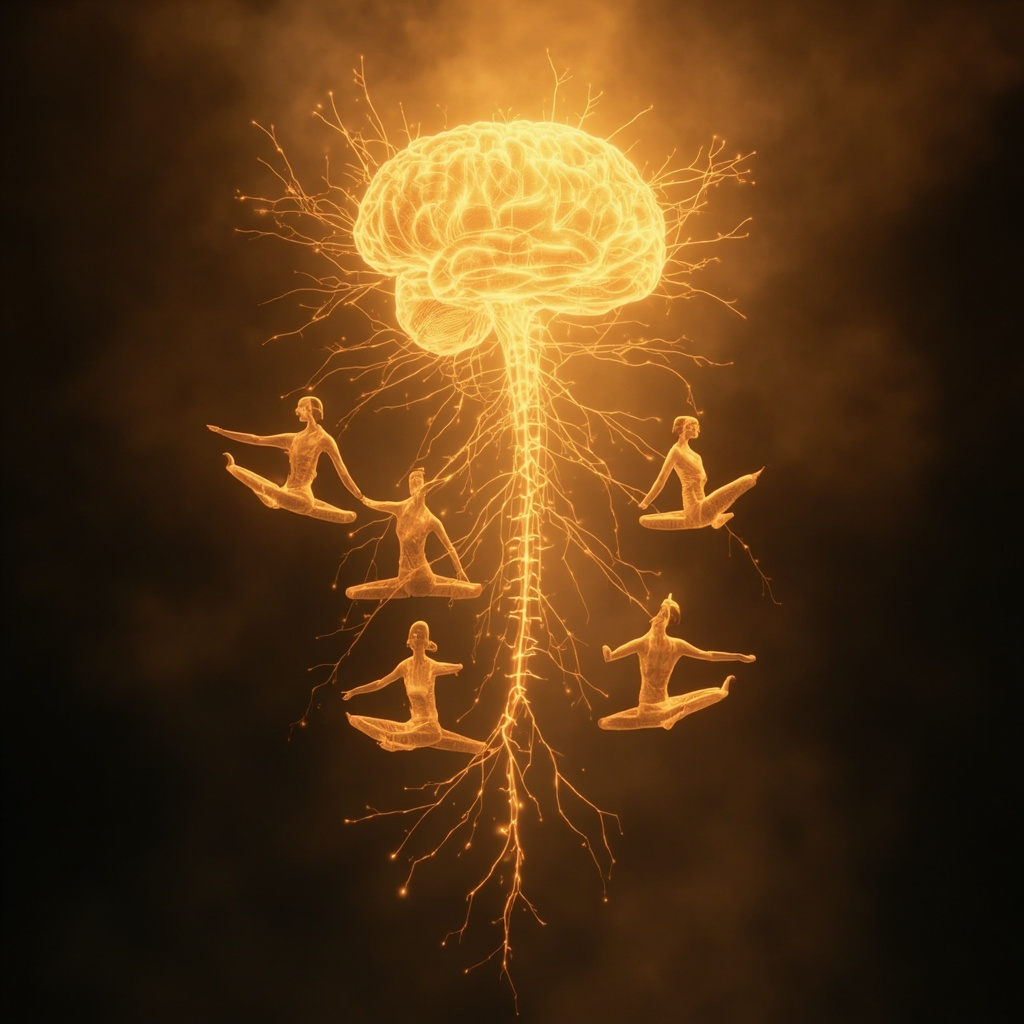
As a yoga coach, I often observe that our physical body acts as a mirror for our emotional state. When we feel stuck in life, unable to change a difficult situation or move away from something that feels threatening, this tension often settles deep within our nervous system. Specifically, it can manifest in our motor nerves.
The Bridge Between Thought and Action
Your motor nerves are the essential messengers of your body. Located throughout your brain, spinal cord, and peripheral nerves, they carry signals from your central nervous system to your muscles. They are the reason you can walk, reach for an object, or express yourself through movement. When they function in harmony, you feel capable, agile, and ready to engage with the world.
However, when these nerves are burdened by chronic stress, the physical and emotional effects can be profound. You might experience muscle weakness, a sense of heaviness, or a lingering feeling of being unable to take the next step. Emotionally, this often stems from a deep-seated sense of powerlessness or the fear of being trapped in a situation you cannot escape.
Moving Through Powerlessness
When we hold the belief that we have no choice, our nervous system reflects this by restricting our capacity for fluid movement. This is not just a mental block; it is a physiological one. If you have been feeling frustrated, angry, or helpless, it is possible that your motor nerves are signaling a need for release and renewal.
By focusing on these pathways, we can begin to shift from a state of paralysis to a state of agency. When we treat our motor neurons as a resource, we are not just training muscles; we are training our ability to respond to life with clarity and purpose. Movement, when done mindfully, becomes a tool to reclaim your territory and your autonomy.
Practices for Empowerment
To support your motor nerves and restore a sense of flow, I recommend practices that emphasize intentional, coordinated movement combined with deep, grounding breath.
- Dynamic Sequencing: Practice movements that involve crossing the midline of the body, such as gentle twists or reaching movements. These help integrate the right and left hemispheres of the brain, promoting better coordination and signal clarity.
- Active Grounding: Poses like Virabhadrasana (Warrior II) are excellent for building a sense of stability and assertiveness. As you hold the pose, focus on the strength in your legs and the clear intention in your gaze. This helps counteract feelings of helplessness by physically embodying power.
- Mindful Release: If you feel trapped, focus on your breath. Use a slow, rhythmic inhale and a long, sighing exhale. As you exhale, visualize the tension leaving your nerves, allowing the signal between your brain and your muscles to become clear and unobstructed again.
A Path Forward
Remember that your body is designed for movement and adaptability. Even when you are facing circumstances that feel overwhelming, you can use your motor nerves as a sanctuary for resilience. By directing your attention to these pathways, you are reminding your system that you have the capacity to act, to change, and to move forward.
If you find yourself feeling stagnant, consider this an invitation to move. Whether it is a simple stretch or a dedicated yoga session, every conscious movement is a step toward breaking the cycle of restriction. By nurturing the communication between your mind and your muscles, you open the door to a more vibrant and empowered way of being. Your journey toward freedom starts with the very next movement you choose to make.
Related posts
Glossary
- Energy and mind Structures > Focused Coherence; Focus
- Energy and mind Structures > Communication
- Energy and mind Structures > Mental
- Energy and mind Structures > Purpose
- Body zones > muscles
- Body zones > nerves
- Body zones > motor
- Energy and mind Structures > movement
- Energy and mind Structures > Stress
- Binaural beats > Paralysis Recovery: Healing Through Sound Therapy
- Binaural beats > Spinal Cord Support: Enhance Wellness and Emotional Balance
- Binaural beats > Nervous System: A Program for Emotional Balance and Relaxation
- Stimuli > Harmony
- Stimuli > Brain