


Left Coccyx: Yoga for Grounding Stability
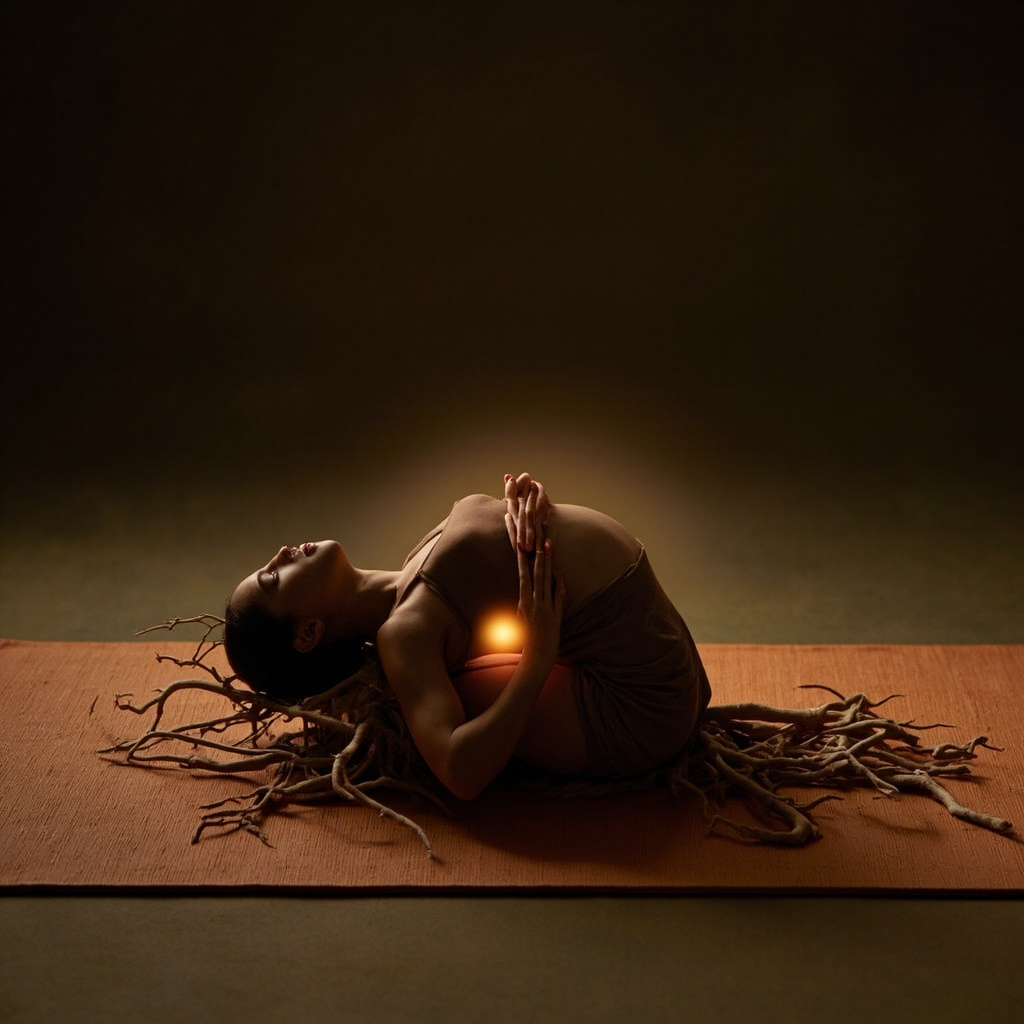
Understanding the Left Coccyx Joint
The left coccyx joint, found at the base of your spine in the tailbone area, plays a key role in daily comfort. It helps distribute your weight when sitting and anchors muscles, tendons, and ligaments that keep your pelvis stable. For more details, see the glossary.
This small structure supports your entire posture. When healthy, it allows smooth movement and reduces strain on your lower back and hips. Issues here can make sitting painful and affect walking or standing.
Physical Role in Daily Life
Picture sitting at your desk or driving. The left coccyx absorbs pressure, working with the right side for even balance. It connects to pelvic floor muscles, which aid bowel function and core strength.
Injuries from falls, prolonged sitting, or childbirth often target this spot. Pain might feel sharp when shifting positions or dull during rest. Over time, it can lead to poor posture, hip tightness, or leg discomfort.
Emotional Ties to Security
Beyond the body, the left coccyx links to feelings of foundation and support. It reflects your sense of roots in family, home, or basic needs. Tension here may signal unresolved stress, like feeling unsupported or fearing change.
When tight, it mirrors emotional instability – anxiety about security or loss of base. As a resource, it grounds you, easing insecurity and promoting calm confidence. Balancing it helps you feel steady in life.
Signs of Imbalance
Watch for:
- Pain or soreness when sitting.
- Difficulty finding a comfortable position.
- Lower back aches radiating to hips.
- Emotional unease, like restlessness or doubt.
These cues invite gentle care through movement and breath.
Yoga Practices for Balance
Yoga gently awakens and strengthens the left coccyx. Focus on poses that release tension, build pelvic stability, and encourage grounding. Practice daily for 10-20 minutes.
Gentle Warm-Up: Child's Pose (Balasana)
Kneel with knees wide, toes touching. Fold forward, arms extended, forehead to mat. Breathe deeply for 1-2 minutes. This eases tailbone pressure and calms the mind.
Strengthen the Base: Bridge Pose (Setu Bandhasana)
Lie on back, feet hip-width, knees bent. Lift hips, squeeze glutes. Hold 5 breaths, repeat 3 times. It supports coccyx alignment and boosts pelvic floor power.
Release and Stretch: Pigeon Pose (Eka Pada Rajakapotasana) – Modified
From all fours, slide right knee forward, extend left leg back. Lower hips, fold over front leg. Switch sides. Targets left coccyx deeply, opening hips.
Grounding Flow: Cat-Cow (Marjaryasana-Bitilasana)
On hands and knees, alternate arching and rounding spine with breath. 10 rounds. Improves mobility around tailbone.
Seated Twist for Mobility
Sit cross-legged, hand on opposite knee, twist gently. Breathe into the base. Eases emotional blocks.
Breathing for Deeper Connection
Pair poses with Nadi Shodhana (alternate nostril breathing). Close right nostril, inhale left; close left, exhale right. Repeat 5 cycles. This balances nervous system, aiding coccyx relaxation.
Benefits of Regular Practice
Consistent yoga enhances coccyx function, reducing pain and improving posture. Emotionally, it builds resilience, turning instability into solid grounding. You gain better focus, less stress, and a stronger mind-body link.
Start slow, listen to your body. These practices, drawn from yoga wisdom and modern insights, offer real relief. Feel the shift toward harmony.
- 1. iahe.com
- 2. tailbonedoctor.com
- 3. instagram.com
- 4. tummee.com
- 5. pmc.ncbi.nlm.nih.gov
- 6. youtube.com
- 7. aatmyogashala.com
- 8. quizlet.com
- 9. pmc.ncbi.nlm.nih.gov
- 10. newsroom.clevelandclinic.org
- 11. youtube.com
- 12. healthline.com
- 13. youtube.com
- 14. pmc.ncbi.nlm.nih.gov
- 15. instagram.com
- 16. instagram.com
- 17. youtube.com
- 18. anatomytrains.com
- 19. blog.erikdalton.com
- 20. artofliving.org
- 21. tailbonetreatment.com
- 22. artofliving.org
- 23. youtube.com
- 24. blog.erikdalton.com
- 25. yogajournal.com
- 26. biosoulintegration.com
- 27. medschool.umaryland.edu
- 28. youtube.com
- 29. iriswellness.center
- 30. dhs.state.mn.us
- 31. music.youtube.com
- 32. instagram.com
- 33. ecoutetoncorps.com
- 34. eszterfarkas.com
- 35. facebook.com
- 36. hingehealth.com
- 37. musculoskeletalkey.com
- 38. instagram.com
- 39. aurawellnesscenter.com
- 40. facebook.com
- 41. shopyogastrong.com
- 42. yogainternational.com
- 43. quizlet.com
- 44. open.spotify.com
- 45. reddit.com
- 46. jessicasepel.com
- 47. elaineyoga.com
- 48. cochrane.org
- 49. coccyx.org
Related posts
Glossary
- Energy and mind Structures > Focused Coherence; Focus
- Energy and mind Structures > Structure
- Energy and mind Structures > Security
- Energy and mind Structures > Emotional instability
- Energy and mind Structures > Confidence
- Body zones > left
- Body zones > muscles
- Energy and mind Structures > movement
- Energy and mind Structures > Stress
- Stimuli > Moon - Nasal Passage, Breathing, Taste
- Stimuli > Pain
- Binaural beats > Nervous System: A Program for Emotional Balance and Relaxation
- Binaural beats > Tendons: Enhancing Tendon Health and Flexibility
- Binaural beats > Ligament Health: Enhancing Flexibility and Joint Wellness
- Binaural beats > Bowel Harmony: Enhancing Digestive Health and Balance
- Stimuli > Lead
- Stimuli > Harmony